Advanced
Nature-based Solutions (NbS) Good Practices for Coastal Area in the Asia-Pacific
NbS Good Practices for Sea Level Rise etc.
Introduction
The impacts of climate change can be grouped into several categories: disruptions to production and harvest in agriculture, forestry, and fisheries; flooding and drought damage to the water environment and water resources; changes in habitats and populations and the risk of biodiversity loss in natural ecosystems; increased risk of landslides and coastal flooding due to storm surges and sea level rise; health issues such as increased heatstroke and changes in the risk of infectious diseases; and, in industry and daily life, disruptions to daily activities and deterioration of living environments due to higher temperatures. (*Climate Change Adaptation Plan, Government of Japan, 2021) This article focuses on coastal risks caused by storm surges and sea level rise, then introduce good practice examples of adaptation measures, particularly those using Nature-based Solutions (NbS) .
Typically, addressing these issues involves the construction of embankments or concrete levees in problem areas, but these may not be optimal solutions in terms of economics or sustainability. On the other hand, approaches such as NbS, which utilize natural forces and materials, may be appropriate adaptation measures if their applicability and effectiveness are carefully examined. For this reason, this will introduce specific examples of adaptation measures using NbS to address increasing risks in coastal areas, ranging from land to underwater.
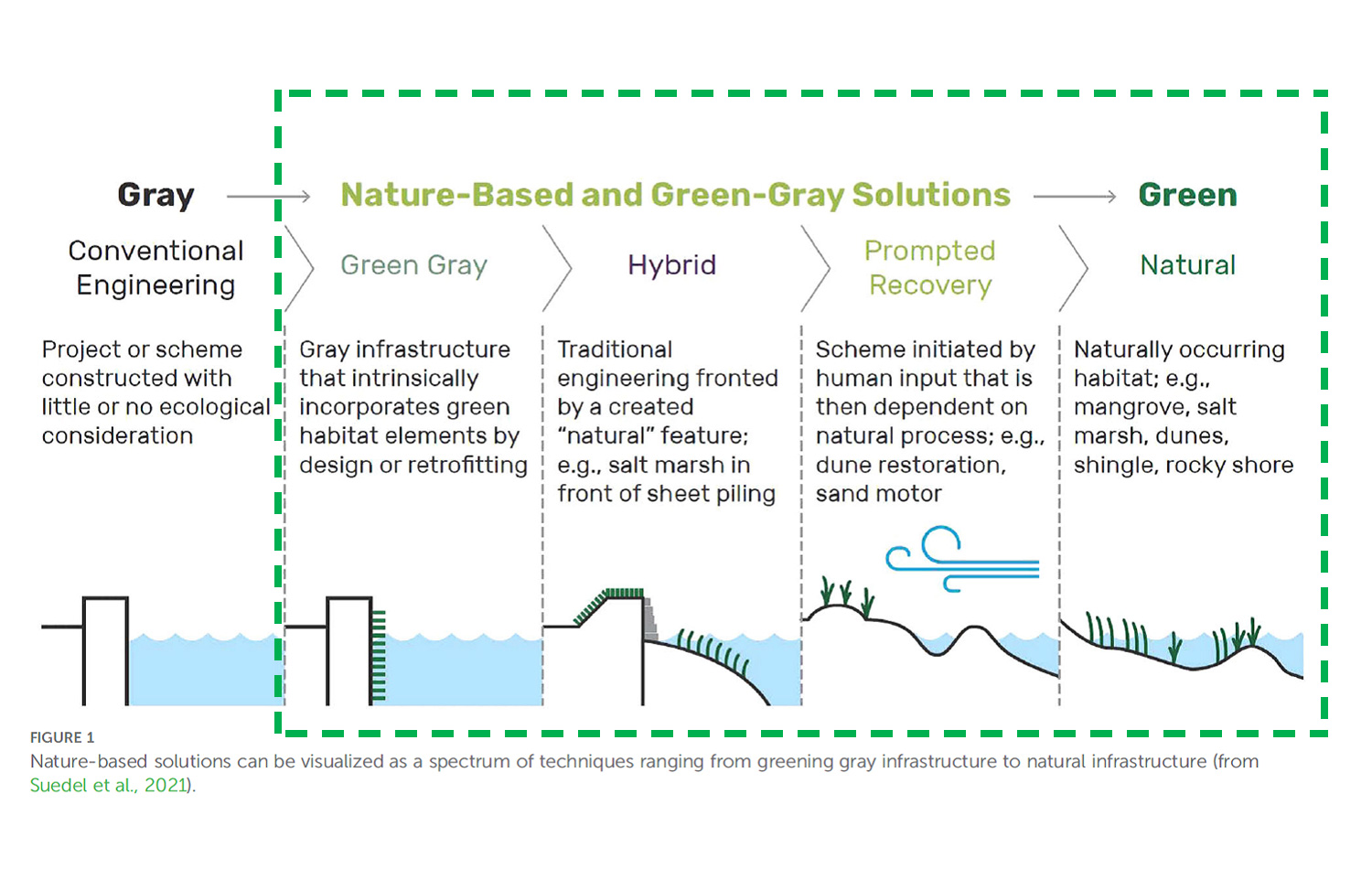
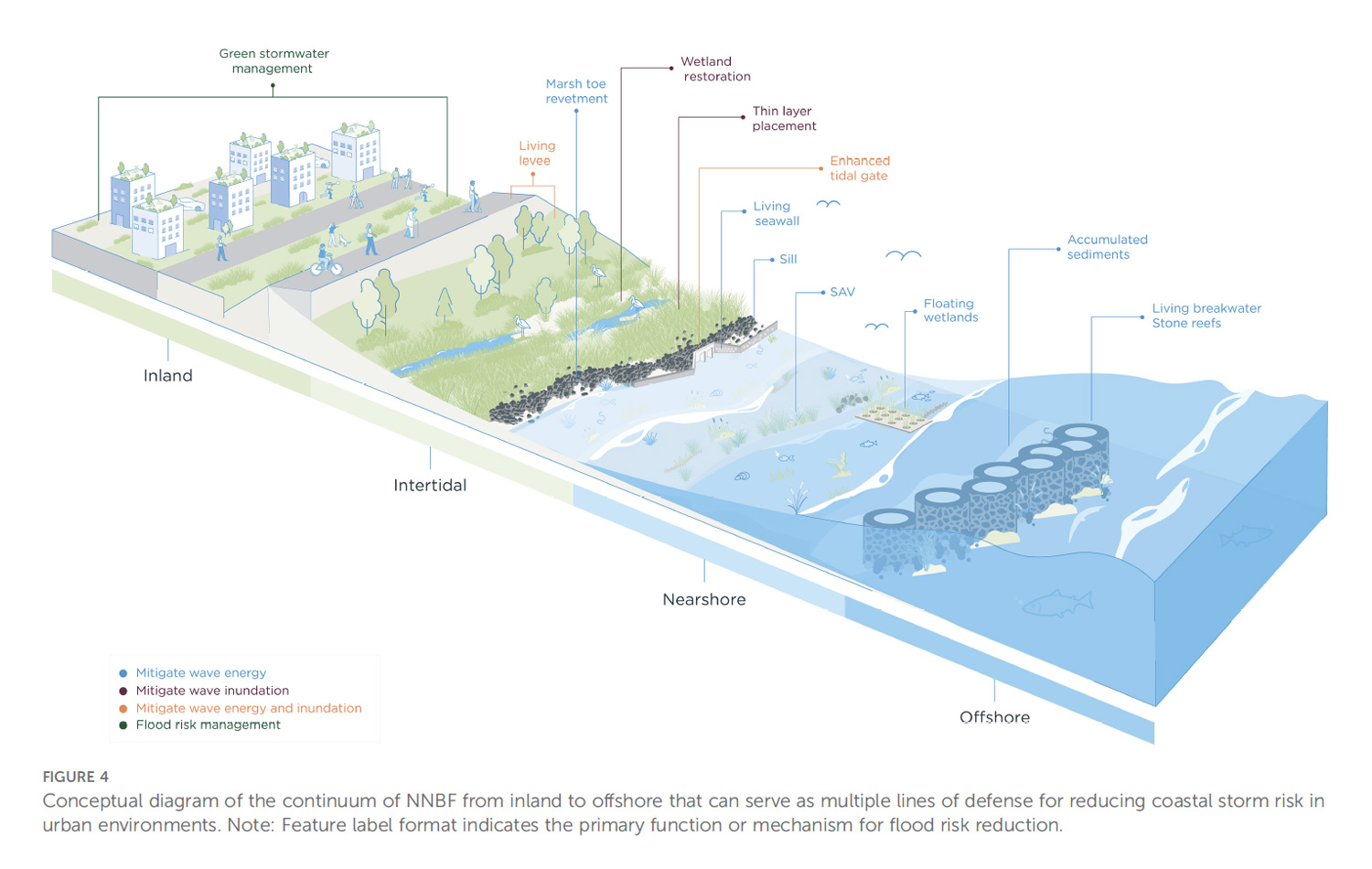
Fig. 1. Example concept of NbS adaptation for coastal conservation.
(Source: McQueen, A., Suedel, B., Copp Franz, S., Cardona, T., McDermott, M., Collins, S., Magar, V., Herzog, J., 2025. Application of a nature-based solution adaptive management framework for improving coastal resiliency in a highly urbanized environment. Frontiers in Ecology and Evolution 13, 1608372. https://doi.org/10.3389/fevo.2025.1608372)
1. Mangrove Reforestation
Mangrove reforestation involves collecting seeds and seedlings from coastal tree species, planting them in areas where mangrove forests have disappeared, and monitoring their growth. This reduces wave activity, storm surges and flow velocity. Furthermore, the roots of mangroves preserve sediment and promote sediment deposition.
Advantages include protecting coastlines from high waves and storm surges, as well as providing important habitat and spawning grounds for aquatic organisms and the foundation for coastal fisheries. Furthermore, by sequestering large amounts of carbon above and below ground, mangrove reforestation contributes to mitigating the effects of climate change.
Disadvantages include the time it takes for the effects to become apparent and low survival rates in areas with unsuitable conditions.
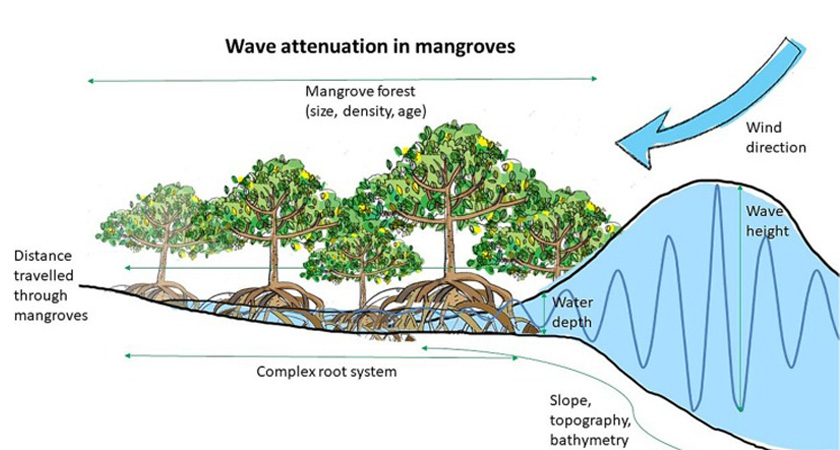
Fig. 2. Effect of mangrove forests dissipating waves.
(Source: Sunkur, R., Kantamaneni, K., Bokhoree, C., Ravan, S., 2023. Mangroves' role in supporting ecosystem-based techniques to reduce disaster risk and adapt to climate change: A review. Journal of Sea Research 196, 102449. https://doi.org/10.1016/j.seares.2023.102449)
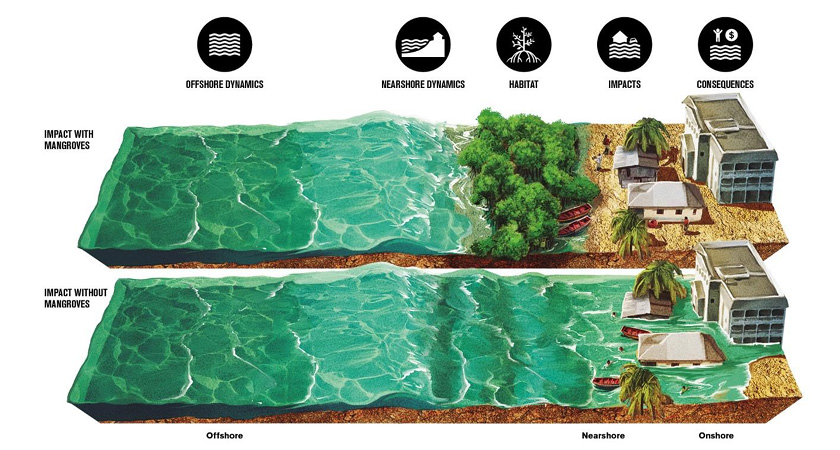
Fig. 3. Image of the disaster prevention effects of mangrove forests.
(Source: Ortega, S.T., Losada, I.J., Espejo, A., Abad, S., Narayan, S., Beck, M.W., 2019. The Flood Protection Benefits and Restoration Costs for Mangroves in Jamaica. Forces of Nature. https://doi.org/10.1596/35166)
In Hagonoy, Bulacan, Philippines, as part of the "ONE CHILD, ONE TREE" project, FEED (an NGO) and 4,000 volunteers planted 8,000 mangrove seedlings.
| Item | Description |
|---|---|
| 1) Location, Country | Philippine/ Hagonoy in Bulacan state |
| 2) Project scale | 8,000 mangrove seedlings planted |
| 3) Impacts | Disaster prevention and conservation of the natural environment |
| 4) Material/ Method | Cultivating seedlings and planting trees |
| 5) Project cost | Unknown |
| 6) Organization | "ONE CHILD, ONE TREE (Initiative)",NGO: FEED (Foundation for the Environment and Eco-Development),"Volunteers: 4,000 Children , Private Companies (Donor) " |
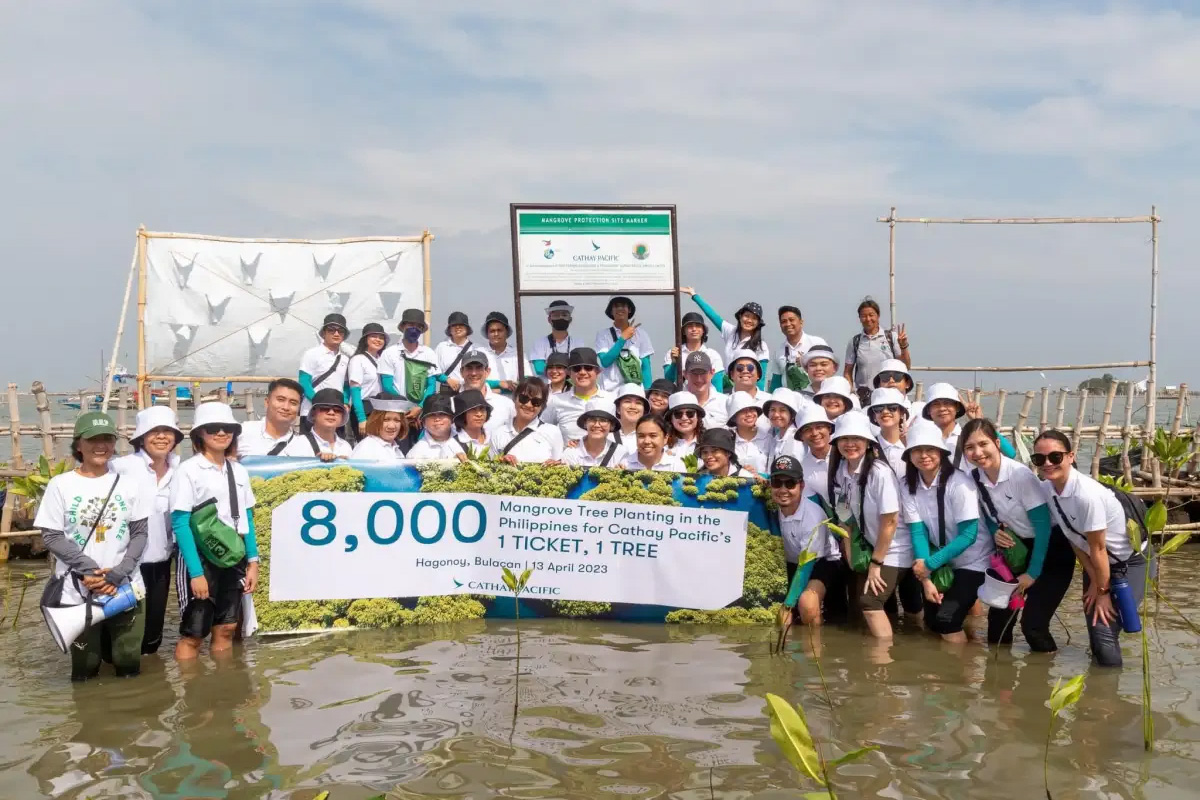
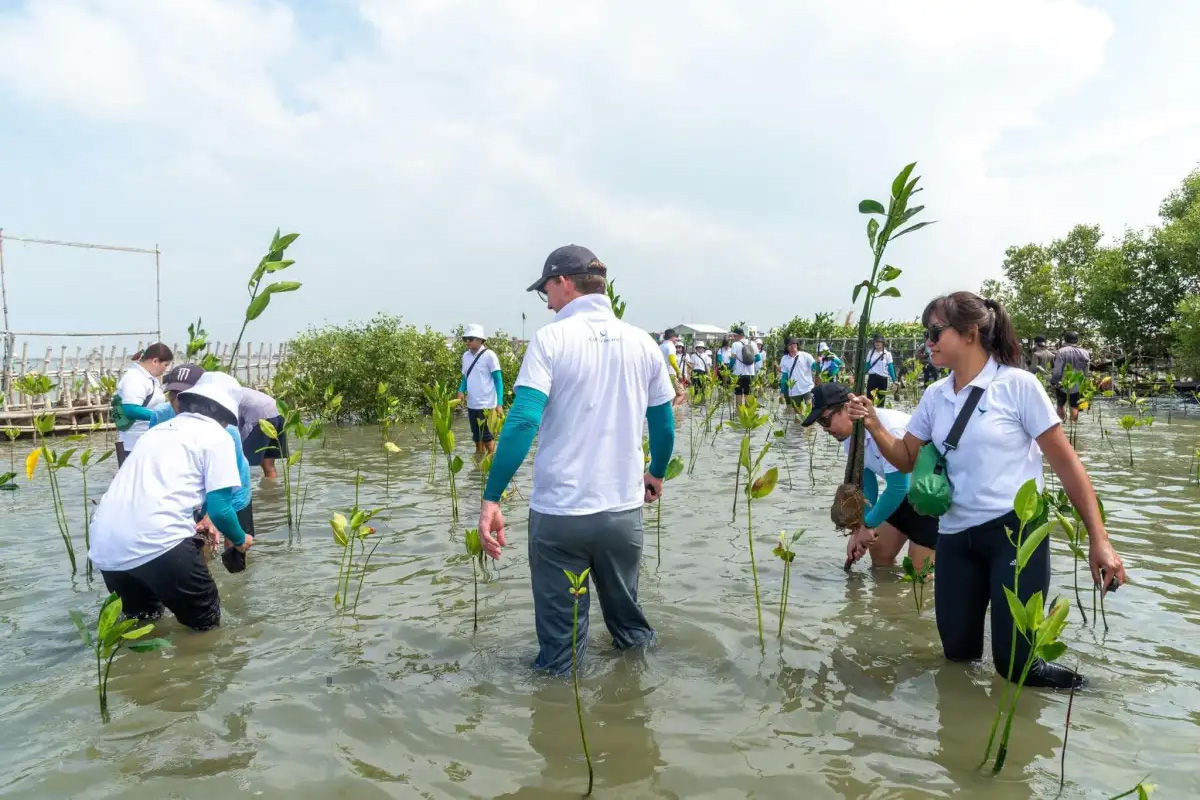
Fig. 4. Image photo of mangrove reforestation project, ONE CHILD, ONE TREE.
(Source: https://feed.org.ph/media-centre/press-releases-2023/cathay-pacifics-one-ticket-one-tree-plants-8000-mangroves-in-bulacan/)
2. Use of Terrestrial Vegetation
The use of terrestrial vegetation prevents erosion by trapping sediment through plant root systems and reduces the impact of waves and currents, protecting coastlines from storm surges and waves. It is best to utilize native species present in the area, after creating appropriate topographical conditions. A wide variety of plant species are used, including terrestrial trees and herbs, depending on the location.
Advantages include preserving the natural ecosystem and helping to suppress sand drift caused by sea breezes. Furthermore, the plants can adapt to changes such as shoreline shifts due to sea level rise, providing long-term benefits.
Disadvantages include the need for sufficient land area for effective restoration, and vegetation growth may be limited if implemented without a thorough understanding of the site's ground level, soil, and other planning and plant species characteristics.
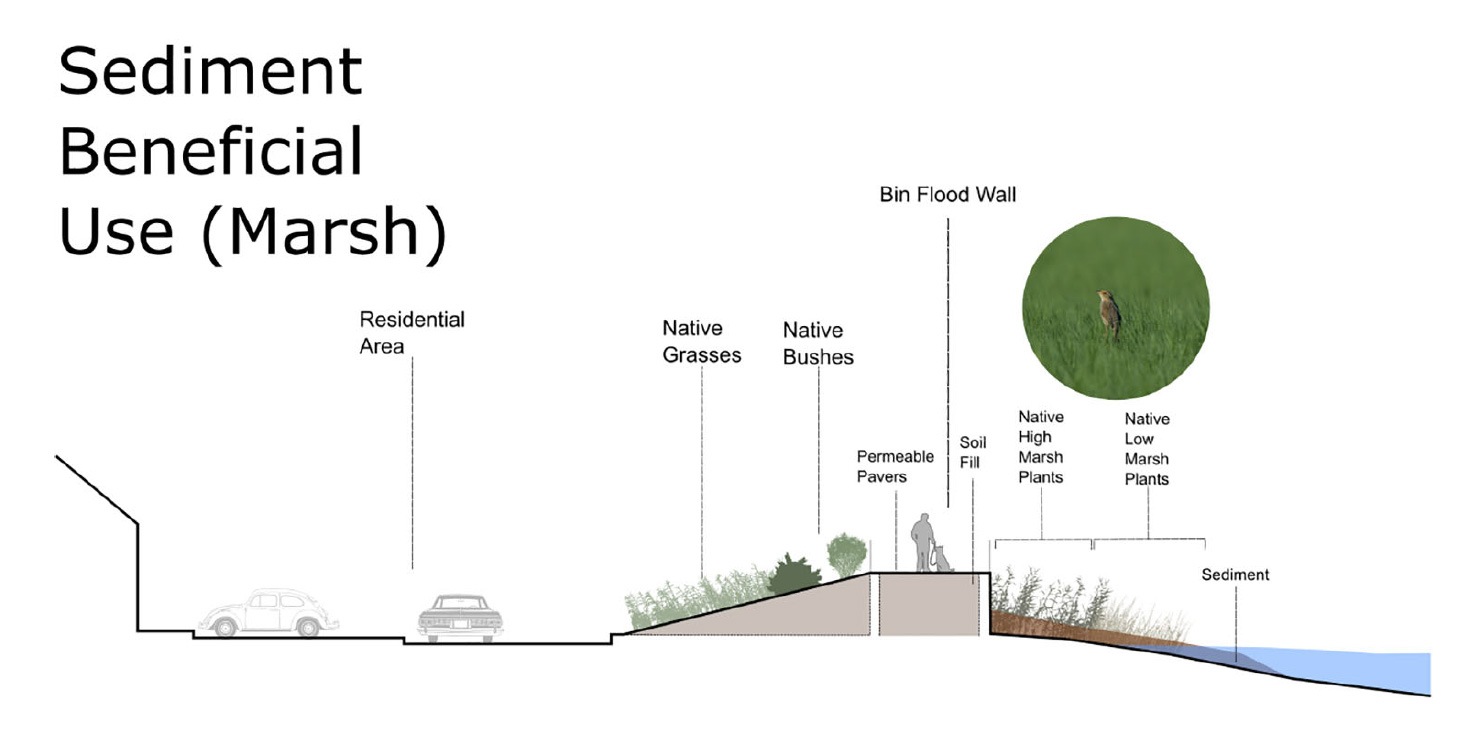
Fig. 5. Concept of use of terrestrial vegetation.
(Source: McQueen, A., Suedel, B., Copp Franz, S., Cardona, T., McDermott, M., Collins, S., Magar, V., Herzog, J., 2025. Application of a nature-based solution adaptive management framework for improving coastal resiliency in a highly urbanized environment. Frontiers in Ecology and Evolution 13, 1608372. https://doi.org/10.3389/fevo.2025.1608372)
As an example of large-scale application of this method, this introduces a project in Bangladesh that uses vetiver grass (Chrysopogon zizanioides), a type of grass, to reinforce seawalls along the coast. It should be noted that, to avoid disrupting the local ecosystem, the grass species used should be those native to the target country.
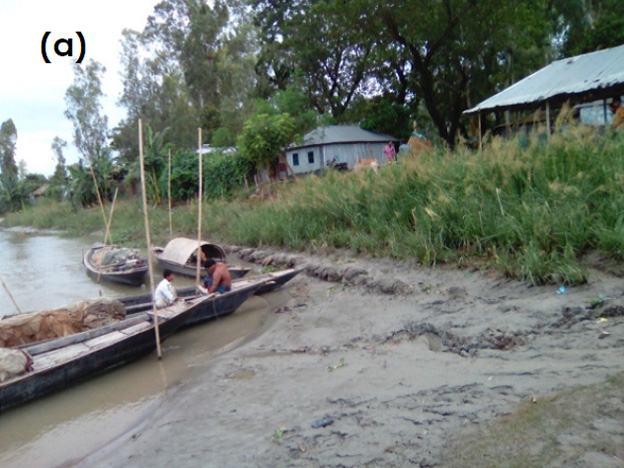
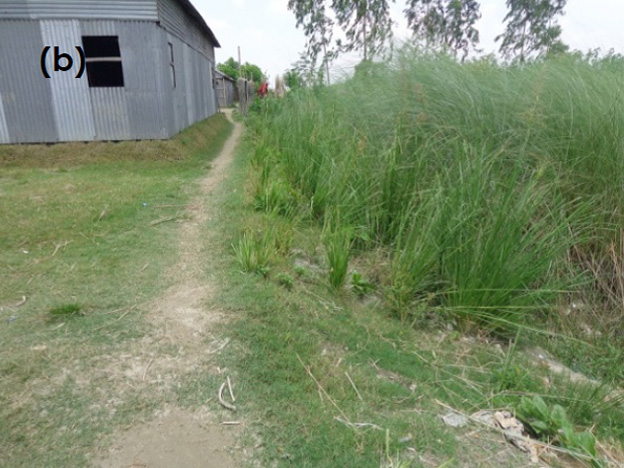
Fig. 6. Image photo of Use of Terrestrial Vegetation, CERP in Bangladesh.
(Source: Islam, M.S., 2019. River Bank and Char Land Protection Using Vetiver System: Case Studies in Bangladesh. https://www.researchgate.net/publication/333516369_River_Bank_and_Char_Land_Protection_Using_Vetiver_System_Case_Studies_in_Bangladesh)
| Item | Description |
|---|---|
| 1) Location, Country | Khulna, etc., Bangladesh, |
| 2) Project scale | 18 coastal polders, approximately 87 km of coastal embankment","Vetiver grass plantings: Approximately 500,000 plants |
| 3) Impacts | Suppression of erosion; improvement of embankment stability |
| 4) Material/ Method | Vetiver grass ( Vetiveria zizanioides ); Low-cost earthworks |
| 5) Project cost | Unknown |
| 6) Organization | Government of Bangladesh (CERP),Bangladesh University of Engineering and Technology (BUET) |
3. Brush Protection
Brush protection is a method of mitigating flooding caused by storm surges and high waves by using driftwood and tree branches available near the coast to erect protective fences around homes and settlements that need to be protected.
The advantages of this method include low material procurement costs, relatively easy construction by local residents, and a small environmental impact.
The disadvantages are that driftwood and tree branches are prone to corrosion and damage, and are easily destroyed by large storm surges and high-energy waves, limiting their effectiveness. Stable supply of materials is required.
Examples of this method have been reported in Bangladesh, India, Indonesia, and other countries. (OECD Development Center, Working Papers, No. 351) Additionally, the University of Tasmania, together with SPREP, has created an Ecosystem-based Rehabilitation Guide, which includes brush protection against coastal erosion in Samoa, Kiribati, Vanuatu, and Tonga, and provides the following example concepts.
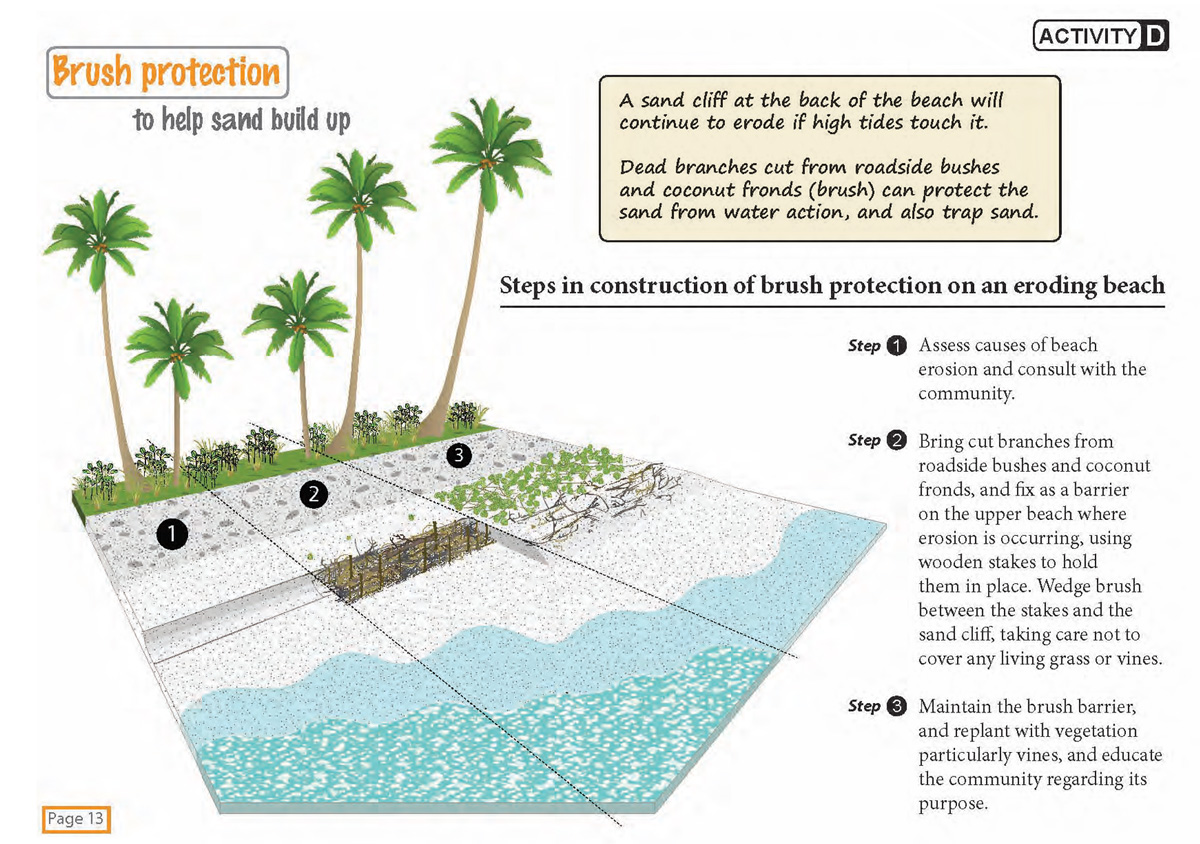
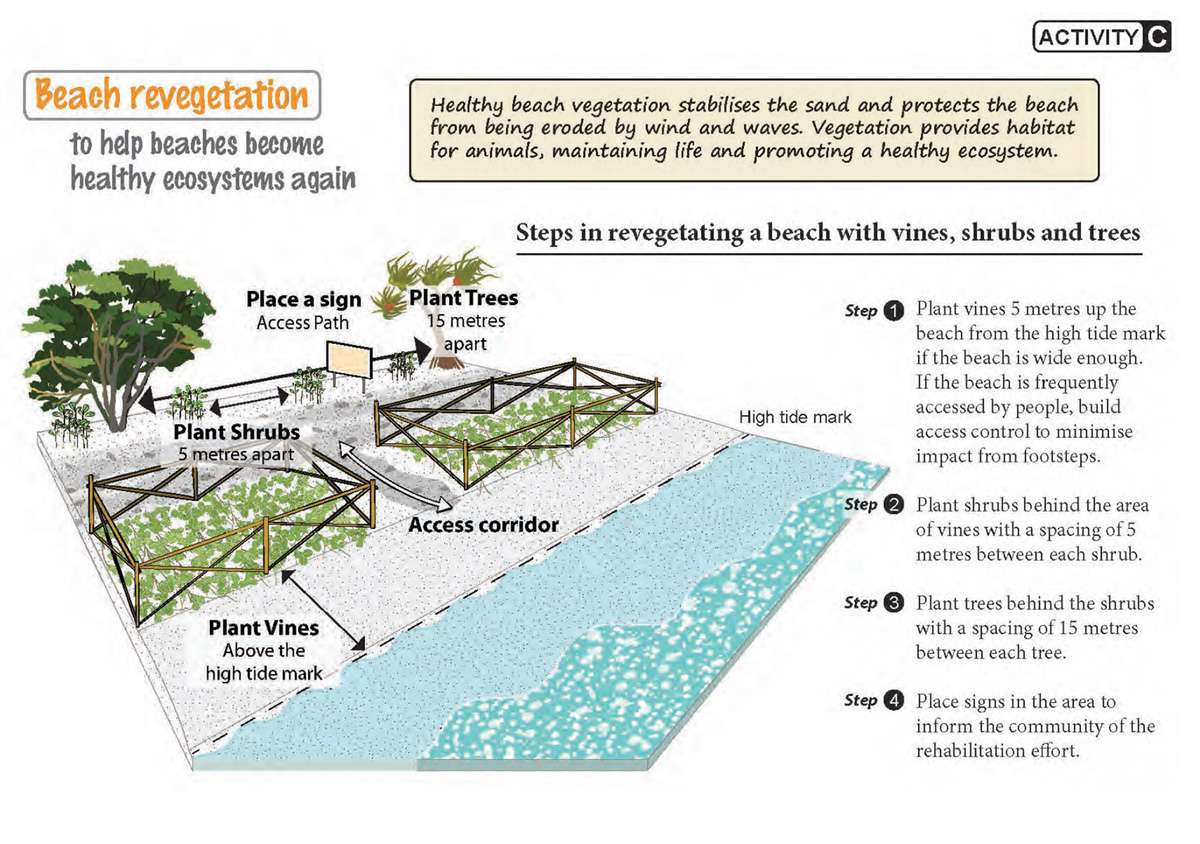
Fig. 7. Concept of brush protection in Pacific Island Countries (with beach revegetation).
(Source: Coastal Ecosystem-Based Rehabilitation Guide, SPREP, 2015)
In Abaiang Atoll, Kiribati, brush protection was implemented with local residents' participation as a measure to prevent flooding and erosion on the foreshore of settlements.
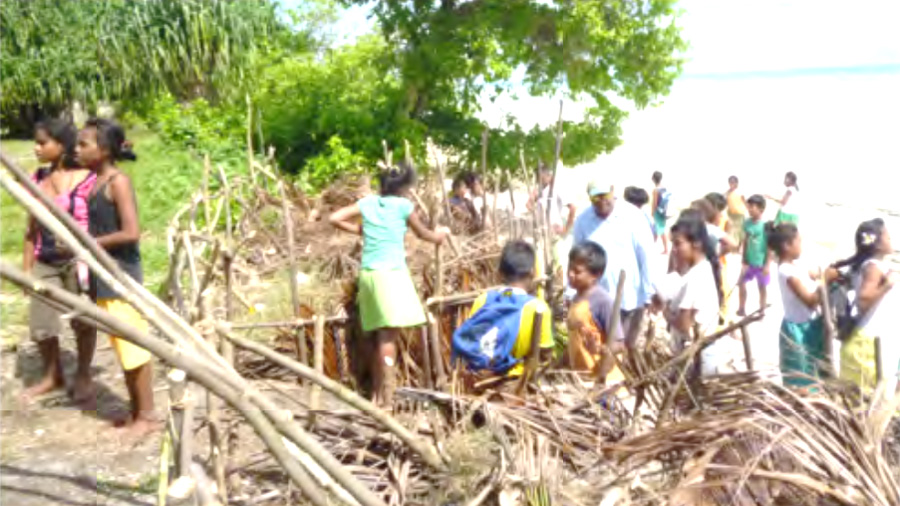
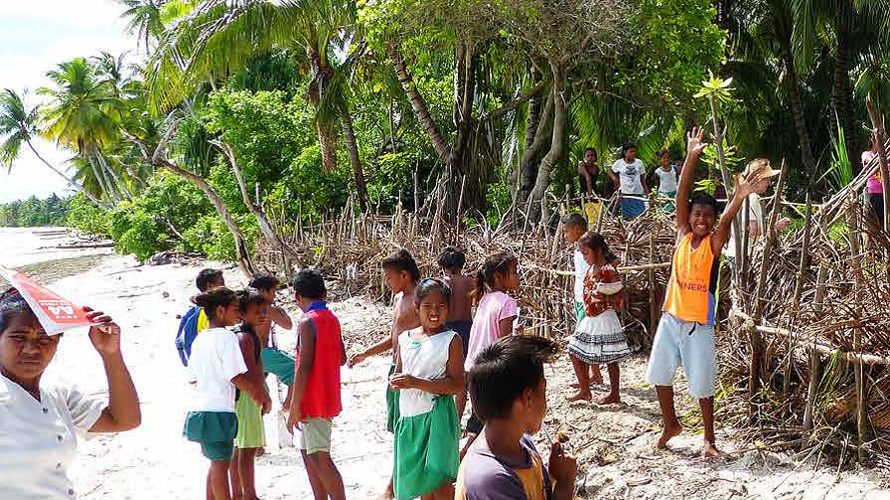
Fig. 8. Image photo of brush protection, Abaiang, Kiribati.
(Source: Beach Ecosystem-Based Adaptation, SPREP, 2016)
| Item | Description |
|---|---|
| 1) Location, Country | Abaiang Atoll, Kiribati |
| 2) Project scale | 10 villages in Abaiang, (about 1–2ha) |
| 3) Outcomes/ Impacts | increase resilience of beaches to storms and sea level rise |
| 4) Material/ Method | access control fencing and gateways, beach vegetation replanting and use of brush matting |
| 5) Project cost | 100 USD/ site, as truck fee and materials |
| 6) Implementing organization | SPREP, Government of Kiribati |
4. Beach Nourishment
Beach nourishment is the repeated application of sediment along the coastline to mitigate coastal erosion and flooding caused by storm surges.
The advantages of beach nourishment is that it can be implemented economically if sand can be used from locations near the target area where there is ample sediment supply. It can maintain or enhance the ecological, recreational, and tourist value of the target area and its surrounding areas.
The disadvantages are that the effects of the measure may not be permanent. Therefore, continuous sediment supply may be necessary. This measure can be combined with hard engineering measures such as groins and breakwaters. The condition is that the sediment can be extracted inexpensively with minimal environmental impact.
This method is implemented around the world, not just for climate change adaptation. The photo below shows an example from Okinawa, Japan, where a gentle beach nourishment was implemented along with sand barriers and coastal protection forests.
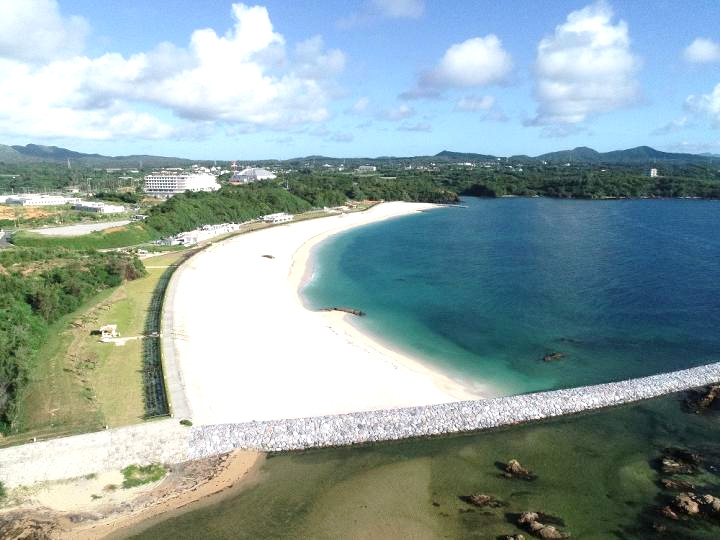
Fig. 9. Beach nourishment in Kin Town in Okinawa, Japan (Kinbaru Coast).
(Source: Okinawa Prefecture, Japan)
In Tuvalu, gravel and sand were used to protect and restore areas of coastal erosion. After the beach nourishment project was completed, the foreshore area was used as a venue for new local activities, such as sports days. (See below)
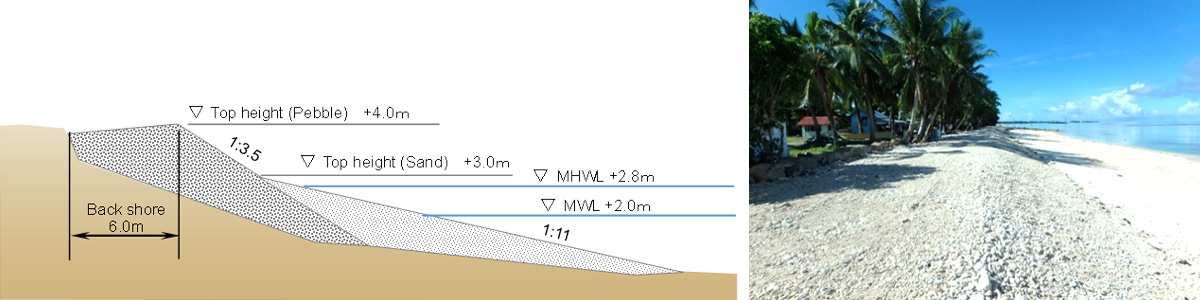
Fig. 10. Concept and image photo of Funafuti Island, Tuvalu (JICA, 2018).
(Source: https://libopac.jica.go.jp/images/report/12357182.pdf)
| Item | Description |
|---|---|
| 1) Location, Country | Fongafale island, Funafuti atoll, Tuval |
| 2) Project scale | Gravel: 3,327 m3, Sand: 4,500 m3, Width: approx. 60 m × Length approx. 180 m |
| 3) Impacts | Preventing coastal erosion and creating new places to live |
| 4) Material/ Method | Beach development using gravel and sand. Stone groynes installed on both ends to prevent runoff. |
| 5) Project cost | 584 Million JPY (5.3 Million USD at 110 JPY/USD, as of 2018) |
| 6) Organization | Government of Tuval, JICA |
5. Rock Revetment
This method protects slopes with heavy rocks that are resistant to wave action and is widely used in volcanic island nations in the Pacific. It is desirable to carefully combine the rocks, taking into account their shape, to prevent them from easily shifting under wave action. Gaps and unevenness in the slope dissipate wave energy, reducing reflected waves and overflow. The service life of revetments using high-quality, sufficiently large rocks is estimated to be over 50 years. While some sites have used rocks extracted from coral reefs, this method should be avoided whenever possible due to its potential impact on the natural ecosystem of coral reefs.
The disadvantages are that in places where high-quality rocks are not available locally, the cost of transporting it from afar increases, and if the rocks are not large enough to withstand the waves, the rocks may move and cause slope collapses.
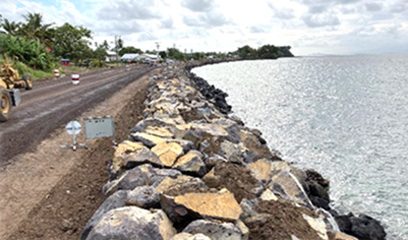
Fig. 11. View of west coast of Apia, Samoa.
(Source: Author)
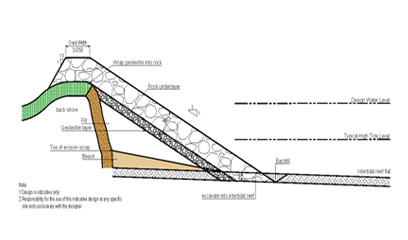
Fig. 12. Cross Section Example of rock revetment.
(Source: PRIF, 2017)
| Item | Description |
|---|---|
| Item | Description |
| 1) Location, Country | West Coast Road, Independent State of Samoa |
| 2) Project scale | Length 4,000 m |
| 3) Outcomes/ Impacts | Prevention of flood and coastal erosion, conservation of natural environment |
| 4) Material/ Method | Rock mining, Transport and Setting of Rocks, Geotextile filter, Backfill material |
| 5) Project cost | Approximately 115 million Samoan tala (approximately 43 million US dollars) |
| 6) Implementing organization | LTA: Land Transport Authority, Samoa, World Bank |
6. Coral Reef Restoration
From an adaptation perspective, "coral reef restoration" refers to the artificial restoration and strengthening of degraded coral reefs to mitigate the impacts of climate change, such as sea level rise, coastal erosion, and storm surges and waves. Specifically, methods include cultivating and transplanting coral fragments or installing artificial substrates to encourage coral settlement.
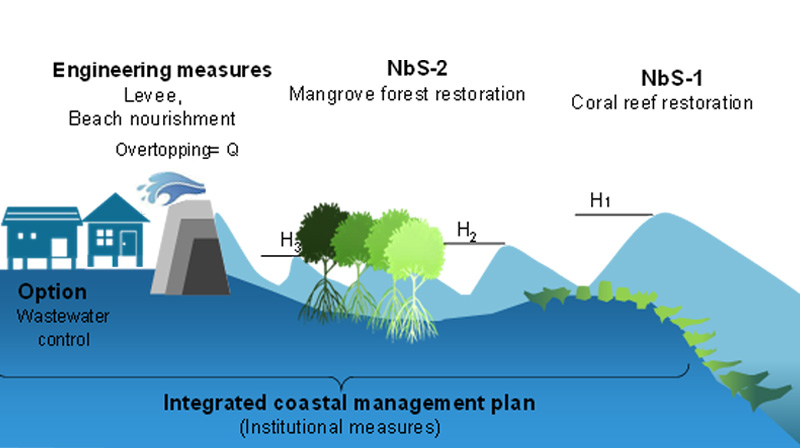
Fig. 13. Concept of wave-breaking effect of coral reefs, etc.
(Source: Author)
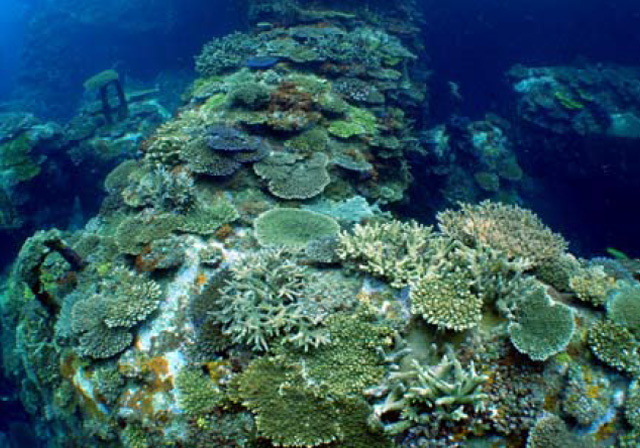
Fig. 14. Coral reef formed on a wave breaker at Port of Naha in Okinawa, Japan.
(Source: MLIT, Japan)
The advantages of coral reefs are that they significantly dissipate wave energy, so restoration can be expected to reduce coastal erosion and storm surge damage. It also restores fish spawning grounds and habitats, thereby maintaining or enhancing local biodiversity. It also contributes to improving tourism and recreational value.
The disadvantages are that restored coral reefs may be damaged again in environments where rising sea temperatures and bleaching events continue, and they are susceptible to deterioration of water quality due to anthropogenic wastewater.
The examples can be seen around the world, including in Pacific Island Countries, the Caribbean, and Southeast Asia. In particular, large-scale restoration projects are underway in countries such as Fiji, the Maldives, and Indonesia, in collaboration with local residents and the tourism industry.
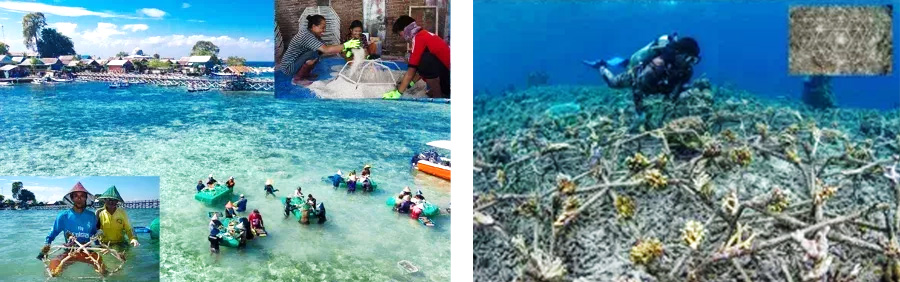
Fig. 15. Image photo of Mars coral reef restoration program (MARRS, Indonesia).
(Source: https://icriforum.org/mars-assisted-reef-restoration-system/)
| Item | Description |
|---|---|
| 1) Location, Country | Two island regions in South Sulawesi and off the coast of Bali, Indonesia, Mesoamerican Reef off the coast of Mexico and the Great Barrier Reef in Australia |
| 2) Project scale | To date, over 19,000 Reef Stars have been installed, incorporating 280,000 coral fragments. |
| 3) Impacts | The project has been internationally recognized as a community-participation model that has restored local fishery resources, increased tourism value, and improved coastal protection. |
| 4) Material/ Method | Coral larvae are fixed to the iron hexagonal frame "Reef Star" and placed on the seabed |
| 5) Project cost | Estimated to be in the tens of millions of USD |
| 6) Organization | Local communities, Indonesian government agencies, Mars Sustainable Solutions |
7. Hybrid Coastal Protection (1)
"Hybrid protection," which combines coastal vegetation with masonry levees, can sometimes be superior in terms of safety, cost, and the environment compared to levees alone. Tree species include various mangroves that grow in low-tidal areas, as well as screw pine (Pandanus), Alexandrian laurel , coco palm, and Casuarina , which grow on land along the coast. Herbaceous plants known to protect sandy beaches include beach morning glory, grassland, graminoid, and vetiver.
An advantage of this approach is that the combined protection and reinforcement of masonry levees can be expected to extend the levees' lifespan. Other advantages include enhanced coastal ecological and recreational benefits.
A disadvantage is the need to accurately predict the effectiveness of each combined measure. Regular maintenance is also required to prevent plants from being washed away or overgrowth.
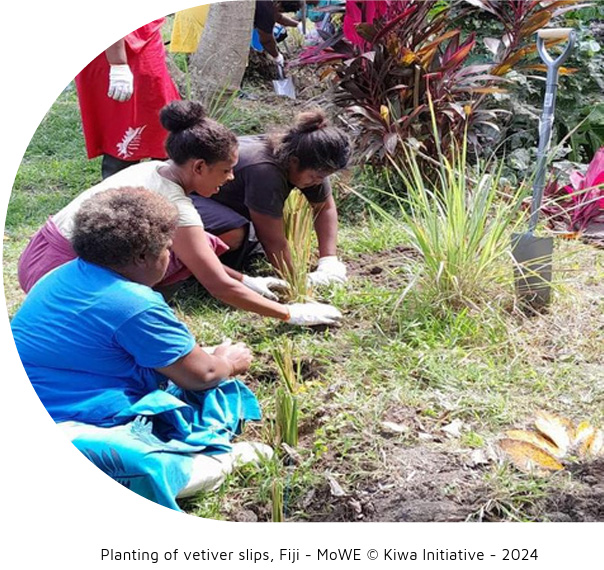
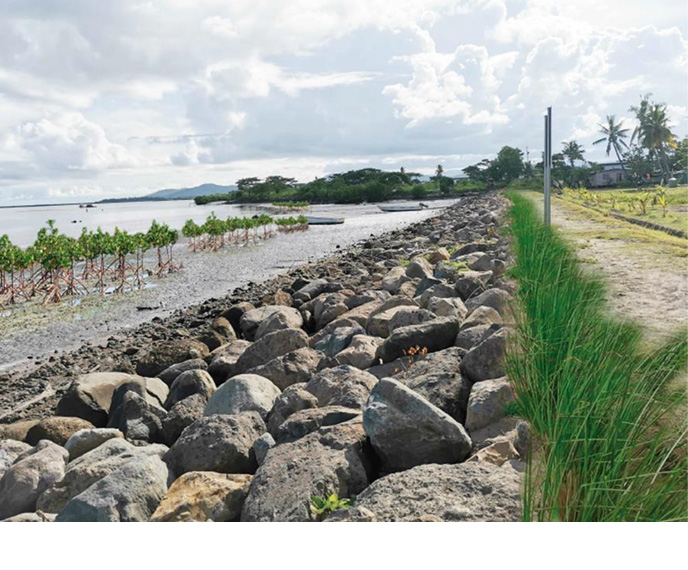
Fig. 16. A hybrid coastal protection “nature-based seawalls” in Fiji.
(Source: Kiwa Initiative, 2024)
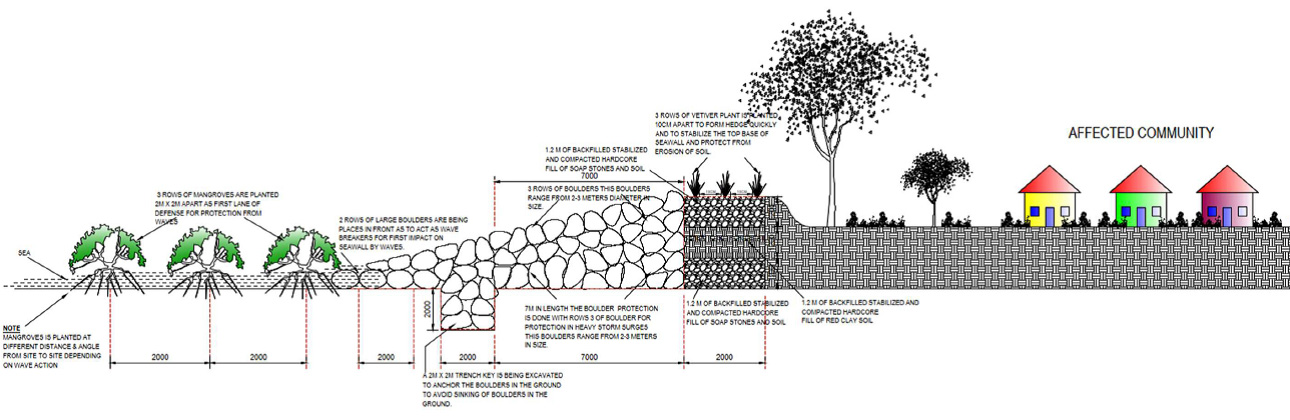
Fig. 17. Example of hybrid coastal protection.
(Source: Nature Based Seawall, Conceptual Design Review, ADB and O2 Metocean PTY LTD, 2023)
| Item | Description |
|---|---|
| 1) Location, Country | Mali Island and Viti Levu Island, Fiji |
| 2) Project scale | 6 Villages, Beneficiaries are 1,455 individuals |
| 3) Outcomes/ Impacts | To reduce the vulnerability of coastal communities, coastal inundation, and erosion through the provision of nature-based seawalls. |
| 4) Material/ Method | Planting of mangrove and vetiver, rock revetment |
| 5) Project cost | 326,077 EUR |
| 6) Implementing organization | Ministry of Waterways and Environment (MoWE), FIJI, Local Communities |
8. Hybrid Coastal Protection (2)
Sandy beaches not only contribute to the formation of natural landscapes and recreational uses, but also, in conjunction with levees and offshore breakwaters, serve to attenuate high waves. Designating sandy beaches as coastal protection facilities and managing them comprehensively can help prevent damage from coastal erosion and high waves. Research can help understand the causes and dynamics of coastal erosion, allowing for adaptive and preventative beach management and countermeasures. To achieve this, a multi-layered approach, including beach nourishment, beach conservation and creation using offshore breakwaters and artificial reefs, and the creation of coastal levees, and planting strips behind them, can be highly effective.
Advantage is that by limiting the scale of coastal levees, costs can be reduced and significant damage caused by levee destruction can be prevented. Furthermore, the ecological, recreational, and tourist value of the target area and its surrounding areas can be maintained or enhanced.
Disadvantage is the need to accurately predict the effectiveness of each combined measure. To achieve this, if the characteristics of oceanographic conditions in the target area and the dynamics of longshore sand transport cannot be properly observed and understood, the expected effects may not be achieved or the formation of sandy beaches may not be sustainable.
As an example, on the Ishikawa Coast in Ishikawa Prefecture, Japan, where coastal erosion and damage from waves were progressing, the following multi-layered measures were implemented to create a beach for coastal conservation.
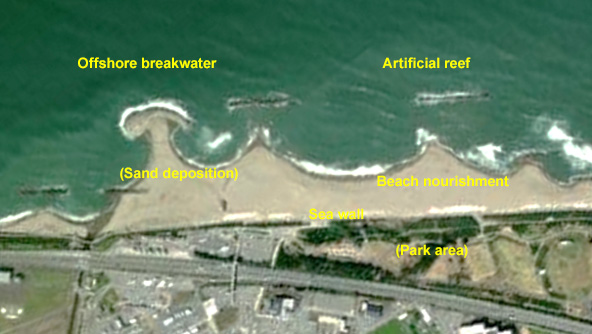
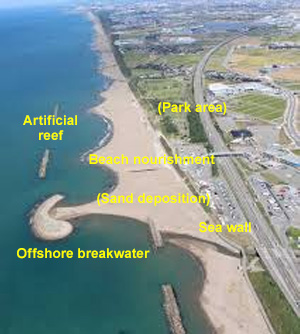
Fig. 18. Plan and perspective view of hybrid protection at Ishikawa Coast in Japan.
(Made from Ministry of Land, Infrastructure, Transport and Tourism, Japan)
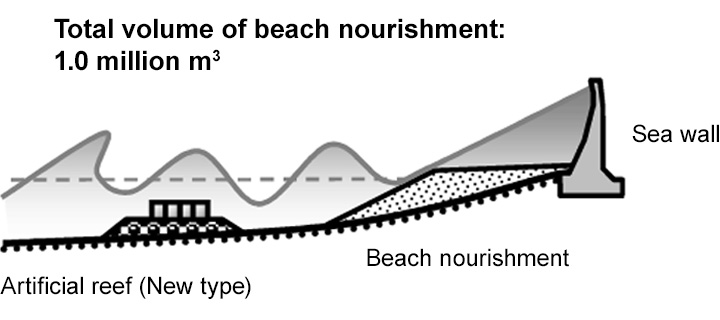
Fig. 19. Cross section of hybrid protection at Ishikawa Coast in Japan.
(Ministry of Land, Infrastructure, Transport and Tourism, Japan)
| Item | Description |
|---|---|
| 1) Location, Country | Ishikawa Coast, Ishikawa Prefecture, Japan |
| 2) Project scale | Length of the coast: 17,518 m |
| 3) Outcomes/ Impacts | Prevention of coastal erosion and flood, and conservation of natural beach |
| 4) Material/ Method | Offshore breakwater, Artificial reef, Beach nourishment, Seawall, Groins |
| 5) Project cost | 158 Billion JPY (1.0 Billion USD at 155JPY/USD, as of 2018) |
| 6) Implementing organization | Hokuriku Regional Development Bureau, Ministry of Land, Infrastructure, Transport and Tourism (MLIT), Japan |