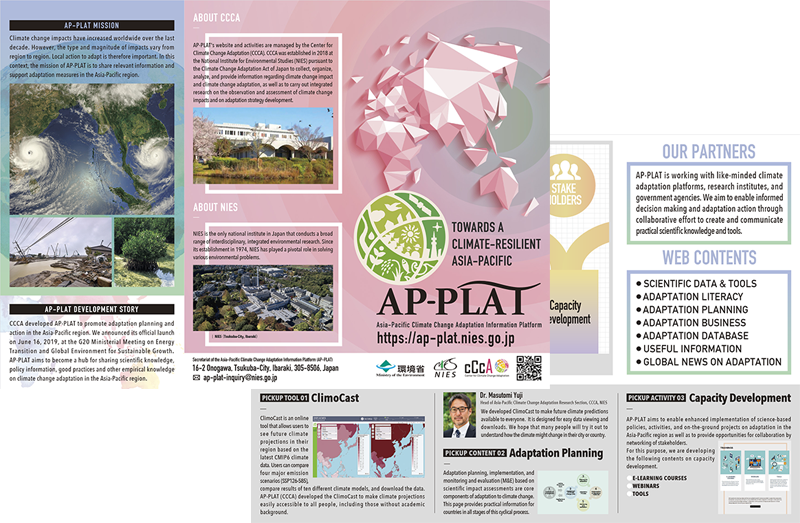
INTRODUCTION TO AP-PLAT
Asia-Pacific Climate Change Adaptation Information Platform (AP-PLAT) is an online information platform to support adaptation to climate change in the Asia-Pacific region.
A plan to establish AP-PLAT was first announced at COP22 in 2016 by the Ministry of the Environment, Japan (MOEJ). Following a report that the pilot version of the platform was set up at COP23 in 2017, AP-PLAT was launched in 2019 during the G20 Ministerial Meeting on Energy Transitions and Global Environment for Sustainable Growth, held in Karuizawa Town, Nagano Prefecture. The Center for Climate Change Adaptation (CCCA) at the National Institute for Environmental Studies (NIES), Japan, is responsible for operation of AP-PLAT.
According to the Climate Change Adaptation Act of Japan, enacted in 2018, development of an international system for sharing information on climate change needs to be promoted, as well as technical and other cooperation on climate change adaptation for developing regions. It is AP-PLAT who contributes to realize them.
AP-PLAT provides national and local policymakers, researchers, businesses, and individuals information on the latest scientific knowledge on climate change and its impacts, and various adaptation efforts. In so doing, it aims to enhance the sustainability and resilience of the whole Asia-Pacific region, supporting decision-making and enabling the implementation of cross-sectoral adaptation activities.
AP-PLAT MISSION
The mission of AP-PLAT is to support science-based decision-making and effective climate change adaptation measures across the Asia-Pacific region. In response to climate change risks, we strive to achieve this by strengthening partnerships with diverse stakeholders and enhancing international adaptation efforts, with a core focus on the UNFCCC process.
In March 2023, we introduced two pivotal framework documents within the AP-PLAT initiative:
- The AP-PLAT Framework for Action outlines a strategic blueprint for establishing partnerships and fostering collaborative efforts on critical adaptation issues.
- The Strategy Document for AP-PLAT Capacity Development Program was created as an integral part of the AP-PLAT Framework for Action 2023-2025, with a dedicated focus on capacity building activities – one of the three pillars of AP-PLAT's initiatives.
In March 2024, based on the Framework for Action and Strategy Document of AP-PLAT, the Three-Year Action Plan was developed to clarify the necessary initiatives and future goals to promote adaptation actions in the Asia-Pacific region.
AP-PLAT CORE ACTIVITIES
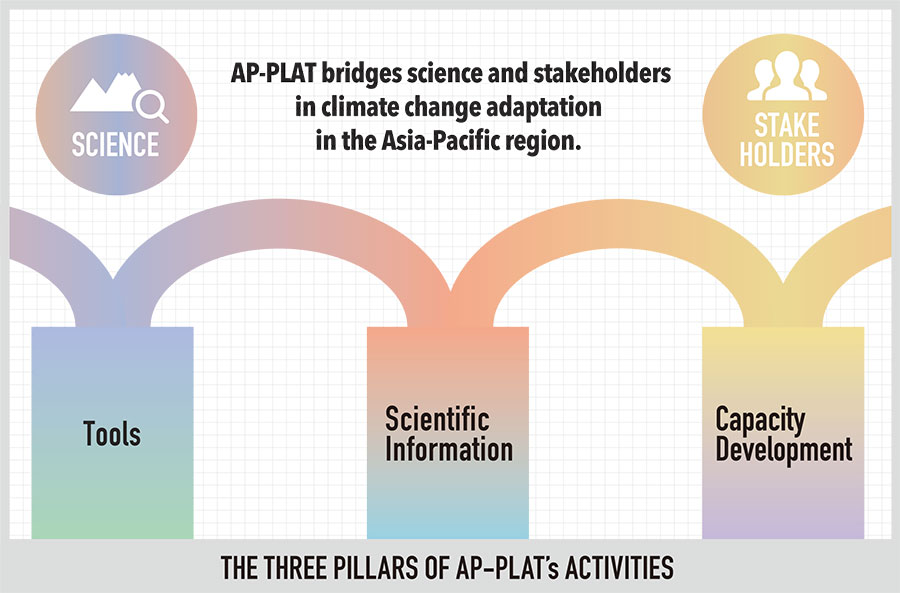
AP-PLAT’s activities cover three core areas as described below. In each area, we work hand-in-hand with partners to conduct joint research, co-create knowledge products and engage in collaborative undertakings.
1. Scientific Information and Knowledge Creation
- Generating global and regional scientific climate-related risk data and information.
- Integrating existing climate-related risk data, information, and knowledge to provide customized insights.
2. Tool Development
- Making scientific knowledge accessible and visually engaging for all.
- Developing and co-creating regional climate-related risk information infrastructure.
- Showcasing relevant adaptation-related good practices.
3. Capacity Development
- Providing training for adaptation policy development and project formulation.
- Equipping practitioners with skills to effectively utilize scientific knowledge and tools.
- Developing capacity-building material.
AP-PLAT SECRETARIAT
AP-PLAT website is managed by the Center for Climate Change Adaptation (CCCA) at the National Institute for Environmental Studies (NIES), Japan.
Starting from 2023, as stated in the AP-PLAT Framework for Action 2023-2025, the operational entities of AP-PLAT are CCCA, the Ministry of the Environment Japan (MOEJ), and the Institute for Global Environmental Strategies (IGES).



INTRODUCTION TO CCCA
Based on the Climate Change Adaptation Act enacted in June 2018 (hereinafter referred to as the “Adaptation Act”), the National Institute for Environmental Studies (NIES) established the Center for Climate Change Adaptation (CCCA) in December of the same year to promote the collection, organization, analysis, and research of information on climate change impacts and adaptation, and to provide the findings of such research to Japan’s national and local governments, Local Climate Change Adaptation Centers (LCCACs), businesses, members of the general public, and other stakeholders with the aim of contributing to their efforts to adapt to climate change.
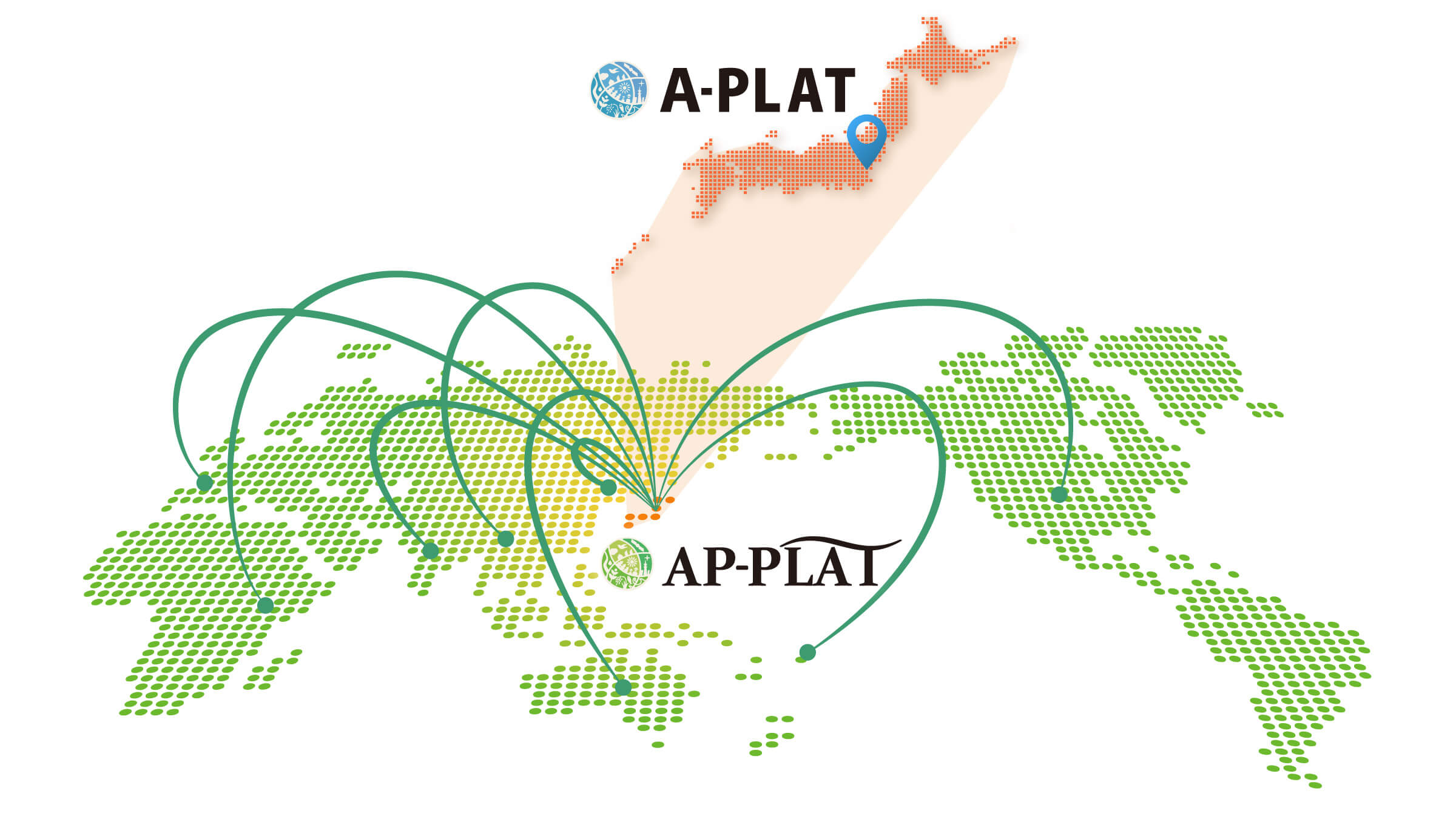
CCCA operates two information platforms to support climate change adaptation.
- Climate Change Adaptation Information Platform (A-PLAT)
An information platform aimed at supporting activities related to climate change adaptation in Japan
- Asia-Pacific Climate Change Adaptation Information Platform (AP-PLAT)
An information platform aimed at building international partnerships with relevant organizations in the Asia-Pacific region as well as globally, and promoting technical cooperation and other international collaboration related to climate change adaptation in each region
AP-PLAT PARTNERS
AP-PLAT continuously explores potential partnerships with climate adaptation platforms, research institutes, the private sector, governmental agencies, and other stakeholders. Our objective is to facilitate science-based decision-making and adaptation actions through collaborative efforts that create and communicate practical scientific knowledge and tools.
Supporting Organizations (Alphabetical order)
- AIT Regional Resource Centre for Asia and the Pacific (RRC.AP)
- Asia Pacific Adaptation Network (APAN)
- Asia-Pacific Network for Global Change Research (APN)
- Climate Adaptation Services (CAS)
- Coalition for Disaster Resilient Infrastructure (CDRI)
- Commonwealth Scientific and Industrial Research Organisation (CSIRO)
- Deloitte Tohmatsu Consulting LLC
- European Climate Adaptation Platform (Climate-ADAPT)
- Food and Agriculture Organization of the United Nations (FAO)
- Global Adaptation Network (GAN) under the United Nations Environment Programme (UNEP)
- Global Green Growth Institute (GGGI)
- IDEA Consultants, Inc.
- International Centre for Climate Change and Development (ICCCAD)
- Mitsubishi Research Institute, Inc.
- Pacific Climate Change Centre (PCCC)
- Risk-informed Early Action Partnership (REAP)
- START International
- Stockholm Environment Institute (SEI) - Asia Centre
- The Energy and Resources Institute (TERI)
- The Department of Agriculture and Rural Development in Vanuatu
- Tokio Marine dR Co., Ltd.
- Tribhuvan University, Nepal
- United States Environmental Protection Agency (EPA)
- Weathernews Inc.













AP-PLAT Capacity Development Partner Organizations
Go to the list of Capacity Development Partners.
HOW TO JOIN
Organizations supporting AP-PLAT are those that agree with AP-PLAT’s vision, mission, and approach, and promote activities based on the platform’s three pillars, while emphasizing the co-creation of information, tools, and initiatives for adaptation through collaboration. Supporting organizations are not obligated to do anything specific, but are envisioned as entities that utilize AP-PLAT as a platform according to their needs and interests.
To become an AP-PLAT Supporting Organization and/or Capacity Development Partner Organization, kindly submit the application form provided below. Rest assured that the AP-PLAT secretariat will carefully review your application.
- Application form* – AP-PLAT Supporting Organization
- Application form* – AP-PLAT Supporting Organization and Capacity Development Partner Organization
(**External link to Google form managed by the Institute for Global Environmental Strategies (IGES))
For details about AP-PLAT Supporting Organizations and Capacity Development Partner Organizations, kindly refer to the framework documents introduced above.