Field Report: Coral Reefs and Adaptation in Subtropical Islands
INTRODUCTION
Through AP-PLAT, we introduce NIES research on coral reef ecosystems in subtropical island regions, focusing on current conditions and climate change adaptation measures.
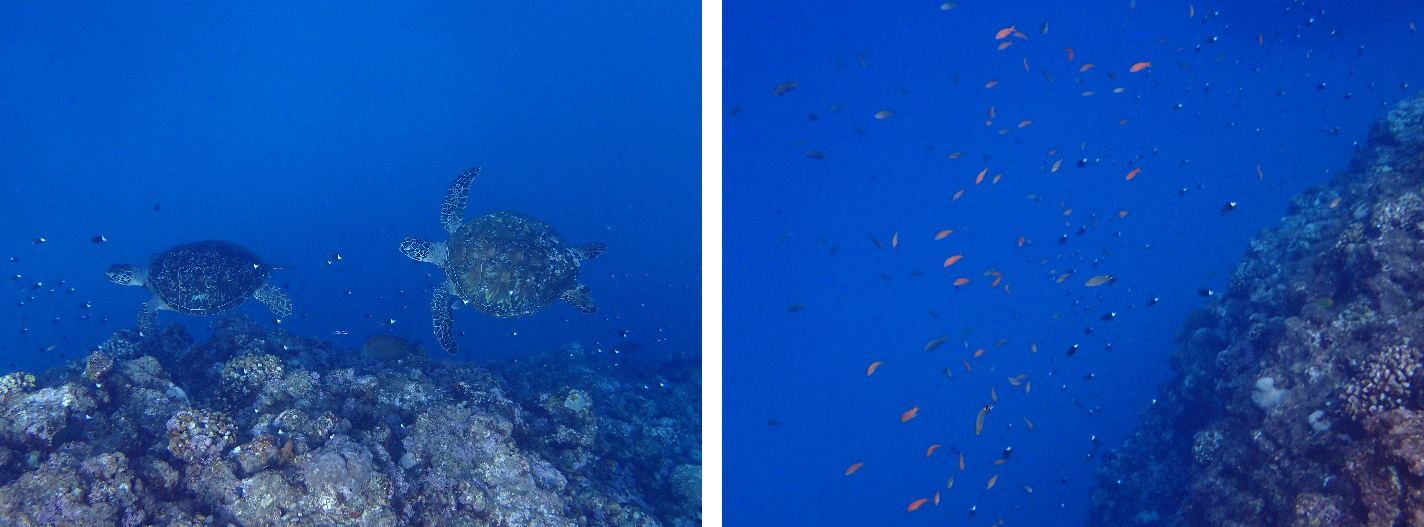
Coral reefs provide essential ecosystem services, including coastal protection and habitats for diverse marine life, while also supporting tourism and fisheries. However, coral reef ecosystems are increasingly threatened by rising sea surface temperatures, marine heatwaves, land-based pollution, and coastal development.
Understanding current environmental conditions through monitoring is a key first step in climate change adaptation for coastal ecosystems. This survey focuses on Tokunoshima Island in southwestern Japan and investigates the present status of coral communities and land-based pressures through ecosystem observations and river water quality monitoring.
| Adaptation Sector/Theme: | Agriculture, Biodiversity, Coastal areas, Fisheries, Tourism |
|---|---|
| Study Area: | Tokunoshima Island, Kagoshima Prefecture, Japan (27.6–27.9°N, 128.8–129.0°E) |
| Survey Period: | May 2026 |
MONITORING & INSIGHTS
Status of Coral Communities
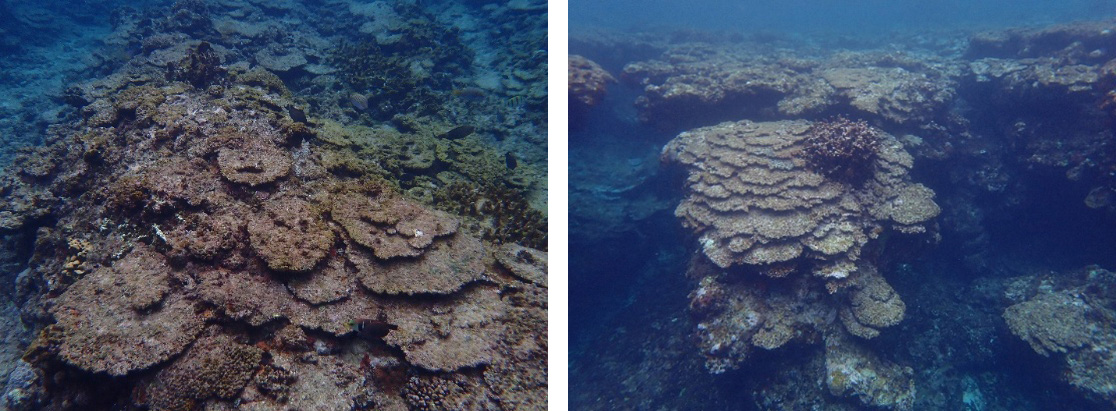
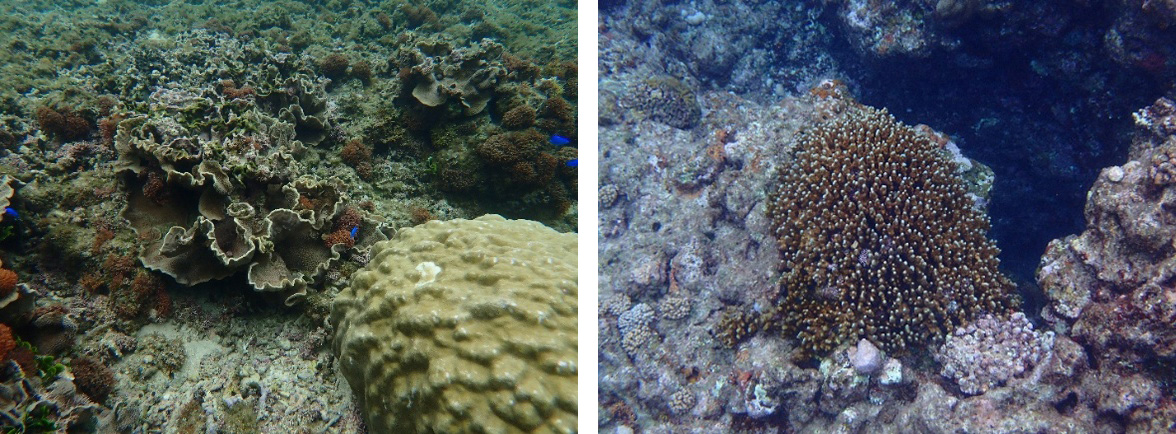
To assess coral coverage and species composition, snorkeling surveys were conducted at multiple locations around Tokunoshima Island. Overall, coral coverage was very low, and extensive mortality of tabular corals covered in algae was observed.
A mass bleaching event is thought to have occurred during the summer of 2024 due to high water temperatures, after which many corals subsequently died without recovering. Although living colonies of non-table-shaped corals were observed, both coral coverage and species richness were low. The challenge is to increase the number of survey sites and continue monitoring whether new coral recruitment occurs.
Land-based loading
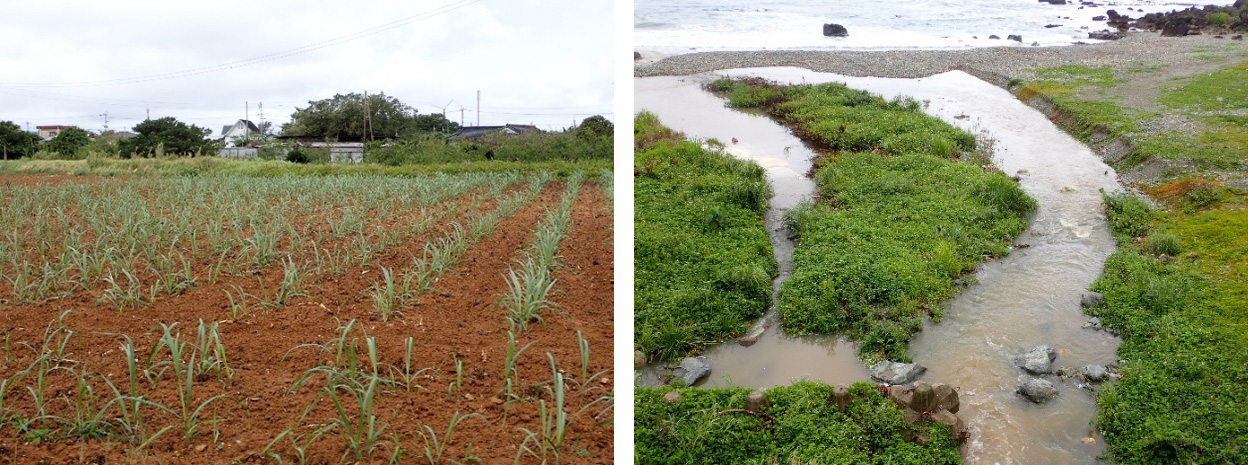
Excessive sediment runoff from land can smother corals, reduce available light, and hinders the settlement of coral larvae. High nutrient concentrations can also promote the growth of algae that compete with corals and make corals more susceptible to disease.
Agriculture is a major industry on Tokunoshima Island, but the island’s predominant red soil is highly susceptible to erosion, which can increase turbidity in coastal waters. Therefore, monitoring river discharge and water quality under both normal and heavy rainfall conditions is essential for understanding the extent of sediment and nutrient inflow into coastal ecosystems.
FUTURE OUTLOOK
On Tokunoshima Island, coral bleaching and subsequent mortality caused by high water temperatures have become serious issues. Sediment and nutrient runoff from land may also place additional stress on coral communities. With further increases in water temperature and ocean acidification, coral reef ecosystems are expected to face even greater risks.
To sustainably benefit from the ecosystem services provided by coral reefs, it is essential to implement conservation and adaptation measures at the local level that reduce environmental stress and support coral reef recovery.
AP-PLAT/CCCA will continue conducting research activities, including environmental monitoring and future projections, in various regions. In addition, AP-PLAT’s Adaptation Database also provides several case studies related to coral reefs.
RELATED INFORMATION
Research Paper
- Priority coral conservation areas under global warming in the Amami Islands, Southern Japan
- Conservation of the coral community and local stakeholders’ perceptions of climate change impacts: Examples and gap analysis in three Japanese national parks
AP-PLAT Adaptation Database
- Fine-scale Aquatic Data and Land Use Maps to Help Assess Ecosystem Risk in Asia-Pacific
- Launching the InCORE Project: Reviving Coral Reefs in the Philippines for a Sustainable Future
- Reef Restoration Drives Tourism and Climate Action in the Maldives
- Strengthening Blue Carbon Management Capacities in the Coral Triangle
- Climate-resilient Coral Varieties in Port Vila, Vanuatu
- Mainstreaming Climate-Resilient Agro-Farming in Coastal South Asia
EXPLORE ADAPTATION
- Nature-based Solutions (NbS) Good Practices for Coastal Area in the Asia-Pacific
- Climate Change and Biodiversity Synergy –Bridging Science and Policy for a Resilient Asia-Pacific
A-PLAT (Japanese website)
Reported by Hiroya ABE
(Posted : 26/May/2026)
