CCCA participated in Eionet Expert Workshop on climate change adaptation platforms
| Event | Eionet Expert Workshop on climate change adaptation platforms –Supporting implementation of climate resilience in the EU and informing the integrated framework for European climate resilience and risk management– |
|---|---|
| Date | 11-12 December 2025 |
| Location | European Environment Agency, Copenhagen, Denmark |
| Organizer | European Environment Agency |
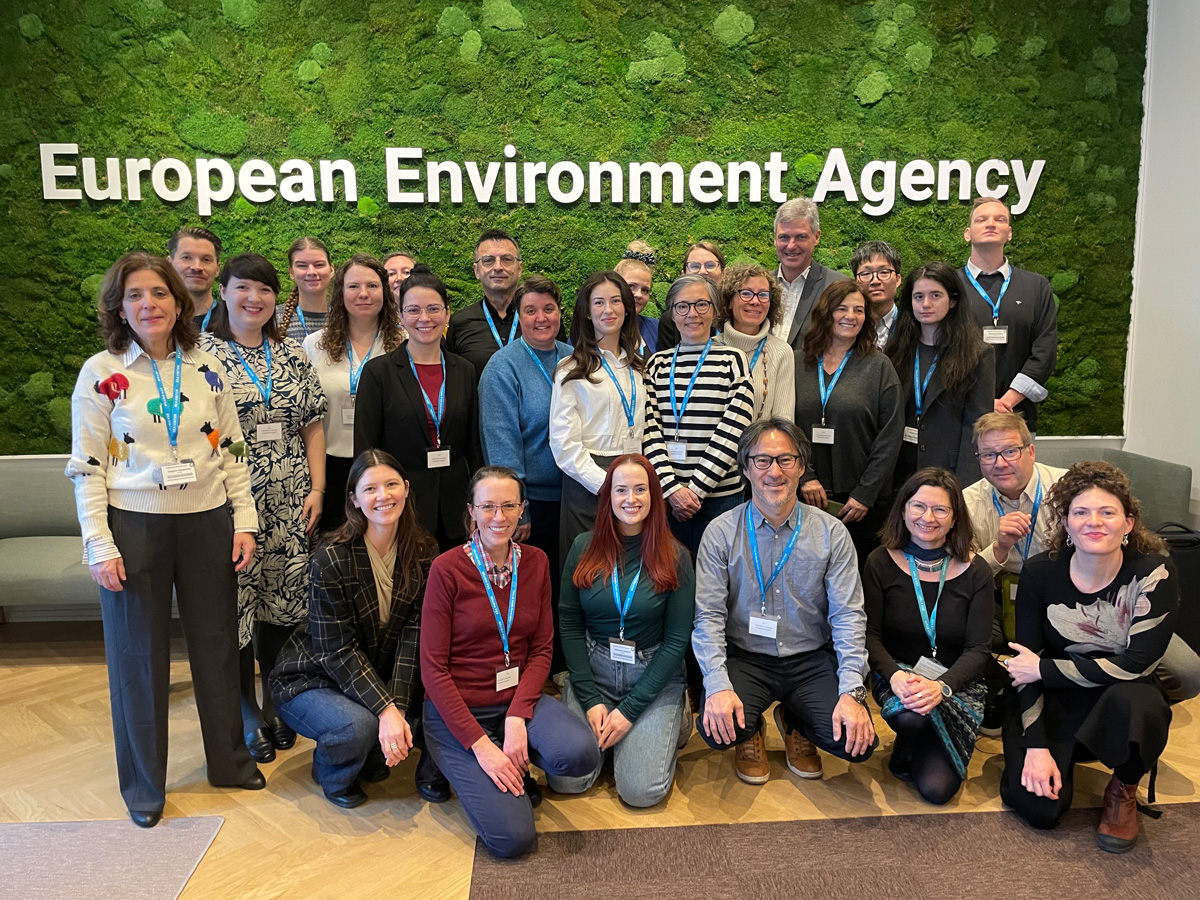
| Participants | The European Environment Agency (EEA), Government agencies from 18 European countries, collaborating under the (governmental) European Environment Information and Observation Network (Eionet), Climate Change Adaptation Center (Dr. Yuji Masutomi and Dr. Takahiro Oyama). |
Overview
This workshop was organized by European Environment Agency (EEA), to share operational experiences of climate change adaptation knowledge platforms in Europe, and to promote mutual learning on the challenges, innovations, and future improvements faced by each country and region. In line with the Climate-ADAPT role as a partner of AP-PLAT, colleagues from AP-PLAT and A-PLAT were invited to share and learn to jointly support adaptation at global levels.
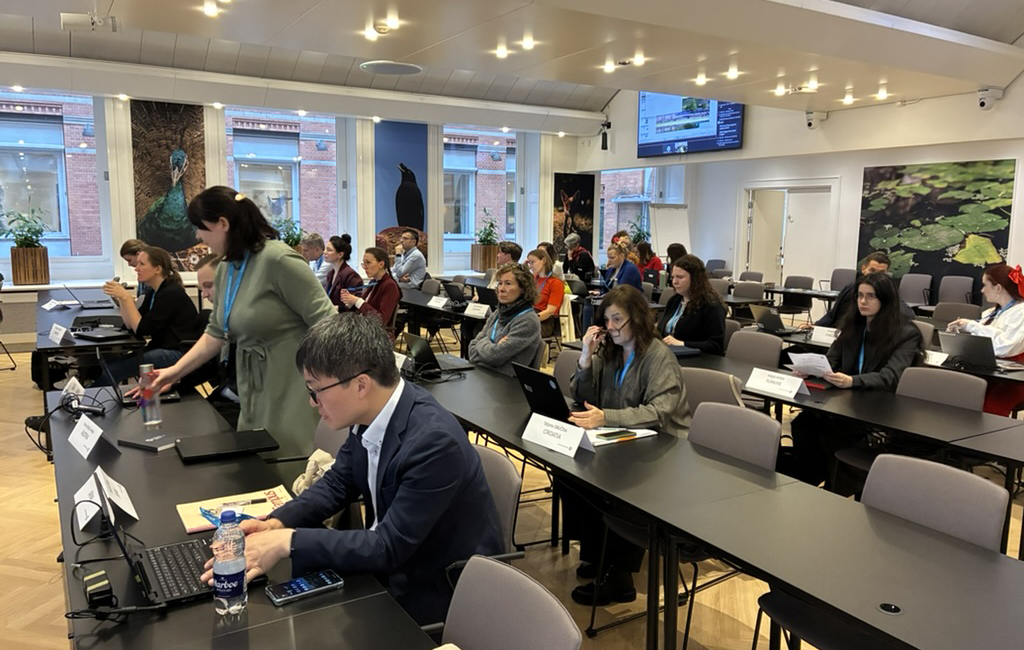
On the first day of the meeting, participants introduced the delivery models of climate adaptation knowledge platforms, operating in their respective countries and at EU levels.
The second day was dedicated to in-depth discussions on common challenges and future directions for platform development. In particular, collaborative actions of the European Climate Adaptation Platform, Climate-ADAPT, and the national platforms were explored to jointly support the new EU adaptation legislation package, due at the end of 2026, and national adaptation policies
CCCA Members' Contributions
Japan: Presentation by Dr. Oyama (A-PLAT)
Oyama introduced A-PLAT, Japan’s national climate change adaptation platform, emphasizing its role in integrating legal and institutional frameworks, scientific knowledge, and practical case studies. He explained that A-PLAT functions as a hub where information essential for climate adaptation policy and practice is brought together in a coherent and accessible manner.
He highlighted the platform’s close engagement with local governments and private companies through information exchange and capacity-building activities, including consultations, training programs, and regular meetings. Insights gained from these interactions are continuously reflected in the design and improvement of the platform. Oyama also noted that A-PLAT provides user-specific portal pages tailored to different audiences—such as local governments, businesses addressing TCFD-related requirements, and children—ensuring that diverse users can effectively access and utilize adaptation information.
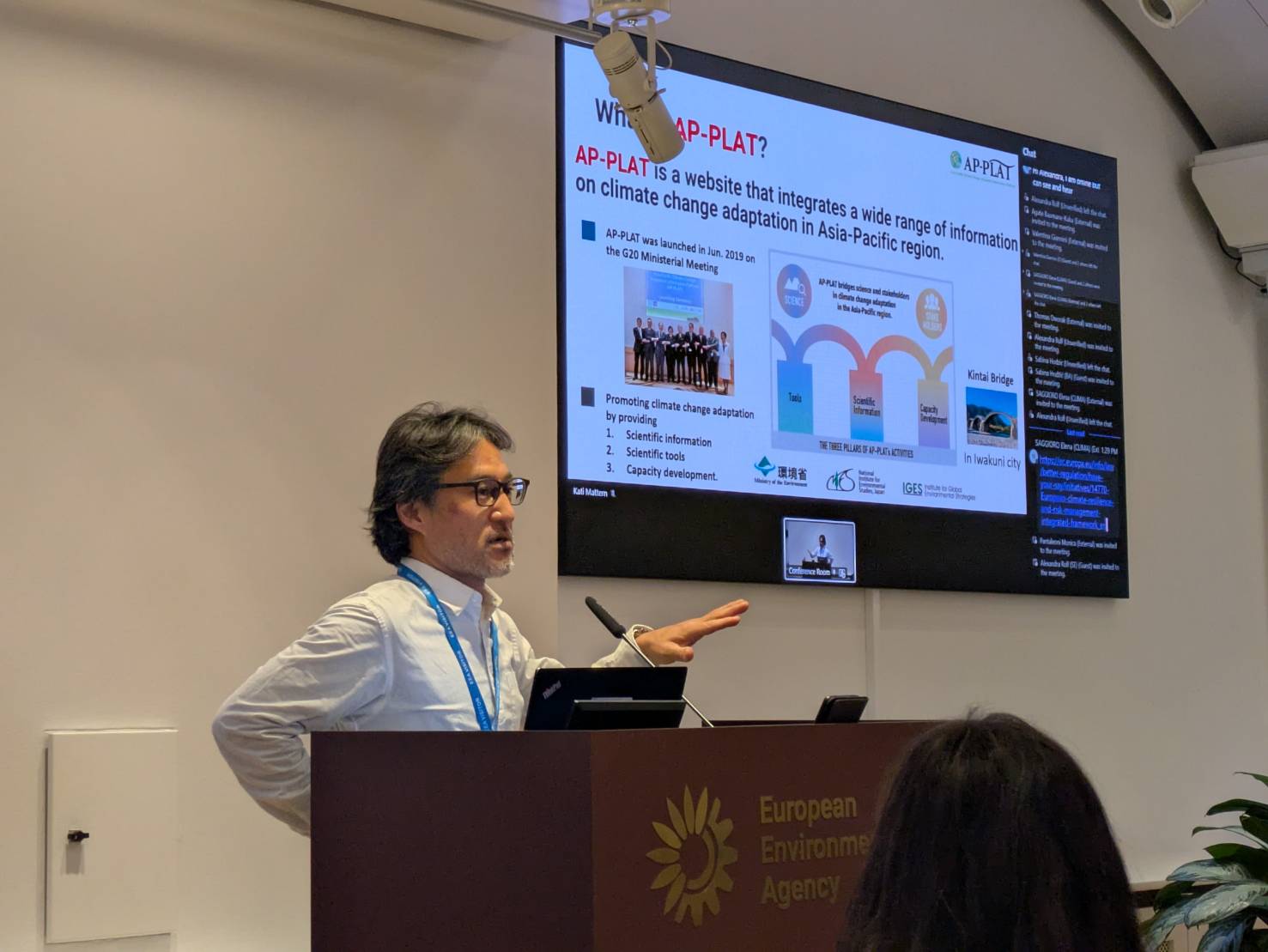
Asia-Pacific Region: Presentation by Dr. Masutomi (AP-PLAT)
Masutomi presented AP-PLAT, a climate adaptation platform designed for the Asia-Pacific region, focusing on its role in integrating future climate projections, adaptation case studies, training resources, and climate finance information. He emphasized that a core feature of AP-PLAT is the provision of future climate data that can be freely accessed and used by a wide range of users, from policymakers to practitioners.
In addition, Masutomi explained that AP-PLAT places strong emphasis on practical application. The platform includes functions that support real-world implementation, such as assistance in preparing concept notes for submission to the Green Climate Fund (GCF). Through these practice-oriented tools, AP-PLAT aims to bridge the gap between climate science and concrete adaptation actions across the Asia-Pacific region.
Discussion and future direction
The discussions highlighted, among others, the importance of designing platforms from a user-centered perspective, recognizing the difficulty of serving diverse user groups—such as policymakers, practitioners, businesses, and citizens—through a single approach. Participants emphasized that effective entry-point design and continuous engagement of users and providers are essential for sustained use, and that platforms must go beyond information provision to offer practical support. The role of clear language, learning-oriented case studies, appropriate methods of evaluating the impact of the platforms, and targeted international collaboration was also identified as key to enhancing the long-term value and impact of adaptation platforms.
(Posted : 23/Jan/2026)
