AP-PLAT Delivered Keynote on Climate Change Adaptation at 2026
JCI ASPAC Niigata, Japan
| Event | 2026 Junior Chamber International Asia Pacific Conference (JCI ASPAC) Niigata, Japan |
|---|---|
| Date | 13 June 2026 |
| Place | Niigata Convention Center, Niigata, Japan |
| Organizers | JCI Sustainability Commission |
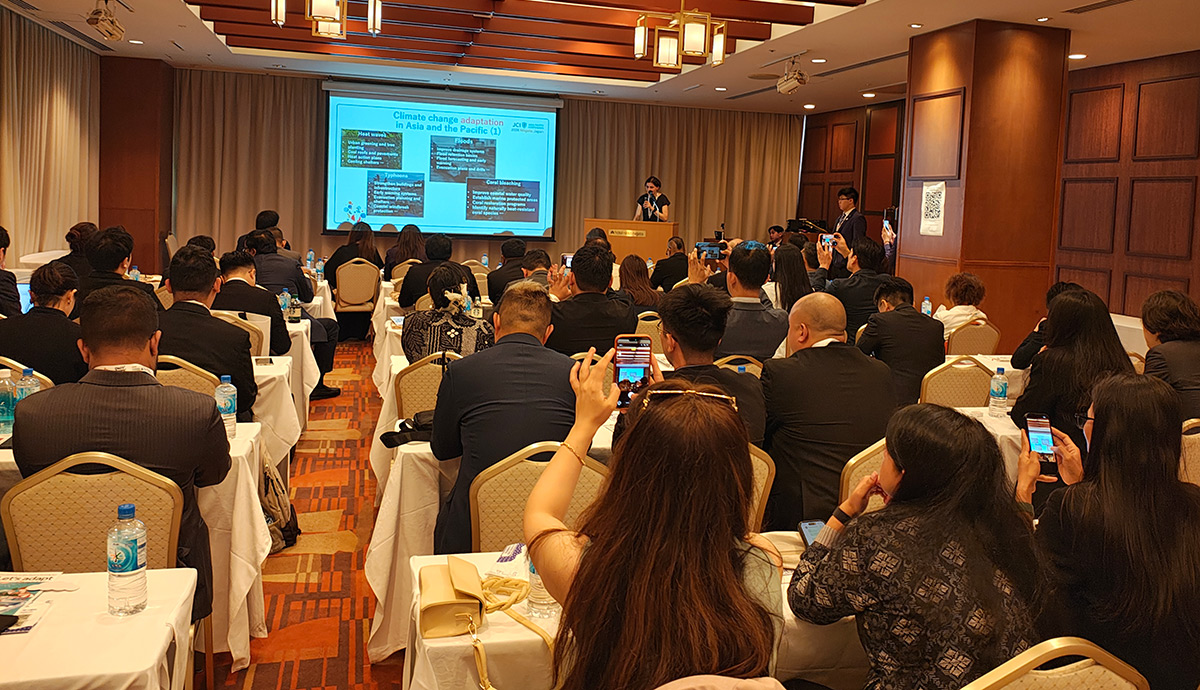
On 13 June 2026, AP-PLAT, part of the Center for Climate Change Adaptation (CCCA), participated in the 2026 JCI ASPAC Niigata, Japan, conference at Toki Messe, Niigata Convention Center. The event brought together young entrepreneurs, professionals, students and community leaders from across the Asia-Pacific region to exchange ideas on leadership, innovation, and sustainability.
Background
JCI (Junior Chamber International), a worldwide organization for youth leadership development, is divided into four global regions and holds an annual area conference in each region. ASPAC (The JCI Asia-Pacific Conference) is the regional conference for the Asia-Pacific area, to which JCI Japan belongs. In 2026, the conference was held in Niigata, Japan.
Session Overview
As part of a session organized by the JCI Sustainability Commission, Ms. Slavka Hubrova of AP-PLAT delivered a keynote presentation on climate change adaptation, highlighting why adaptation is becoming an increasingly important component of climate action.
Over 50 participants attended the session, representing diverse sectors including information technology, healthcare, insurance, food, and marketing. The audience also reflected the international character of ASPAC, with participants from Bangladesh, Hong Kong, India, Macao, Hawaii, Japan, the Philippines and other countries.
AP-PLAT presentation explored the growing impacts of climate change across Asia and the Pacific and examined recent shifts in the global climate agenda, where adaptation is receiving increased attention alongside mitigation efforts.
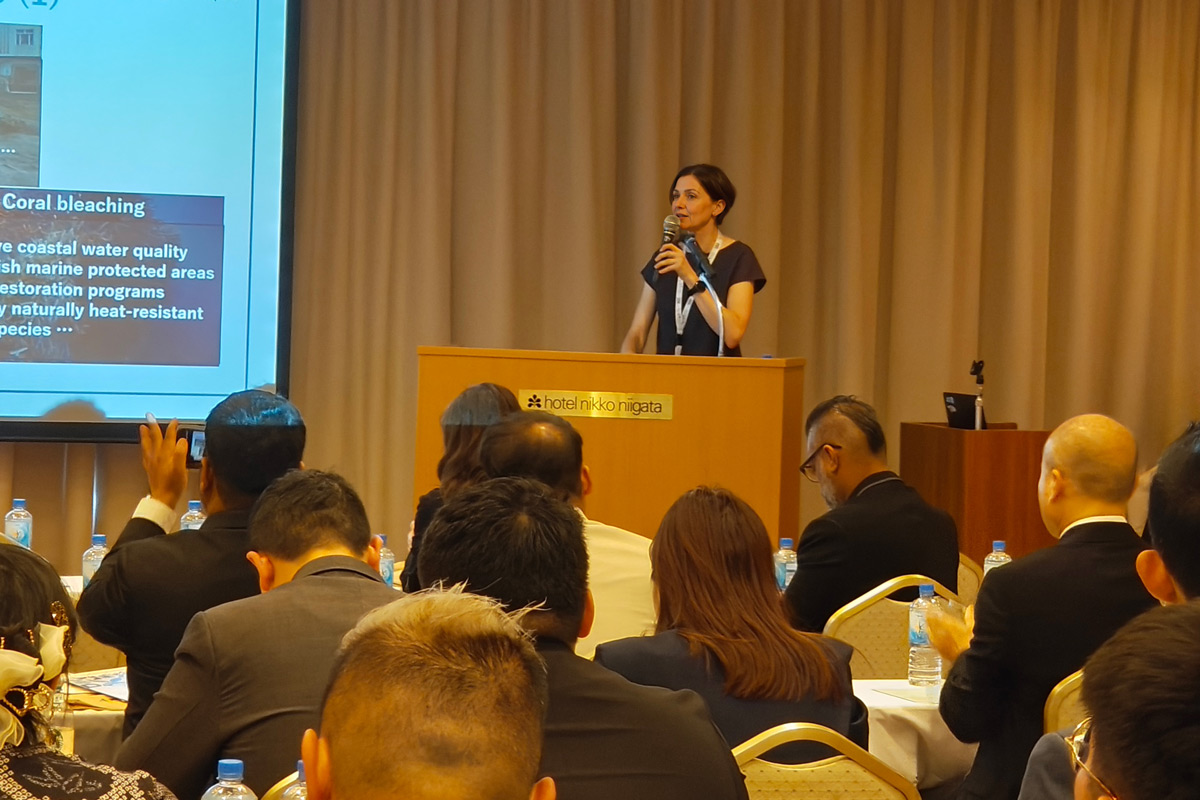
Drawing on Japan’s experience, the presentation showcased the country’s climate change adaptation framework, illustrating how adaptation is implemented from the national policy level to local action. Participants were also introduced to adaptation information resources available at A-PLAT (Japan’s domestic adaptation information platform) and AP-PLAT (Japan-based international platform), that can support resilience-building efforts in their own communities and organizations.
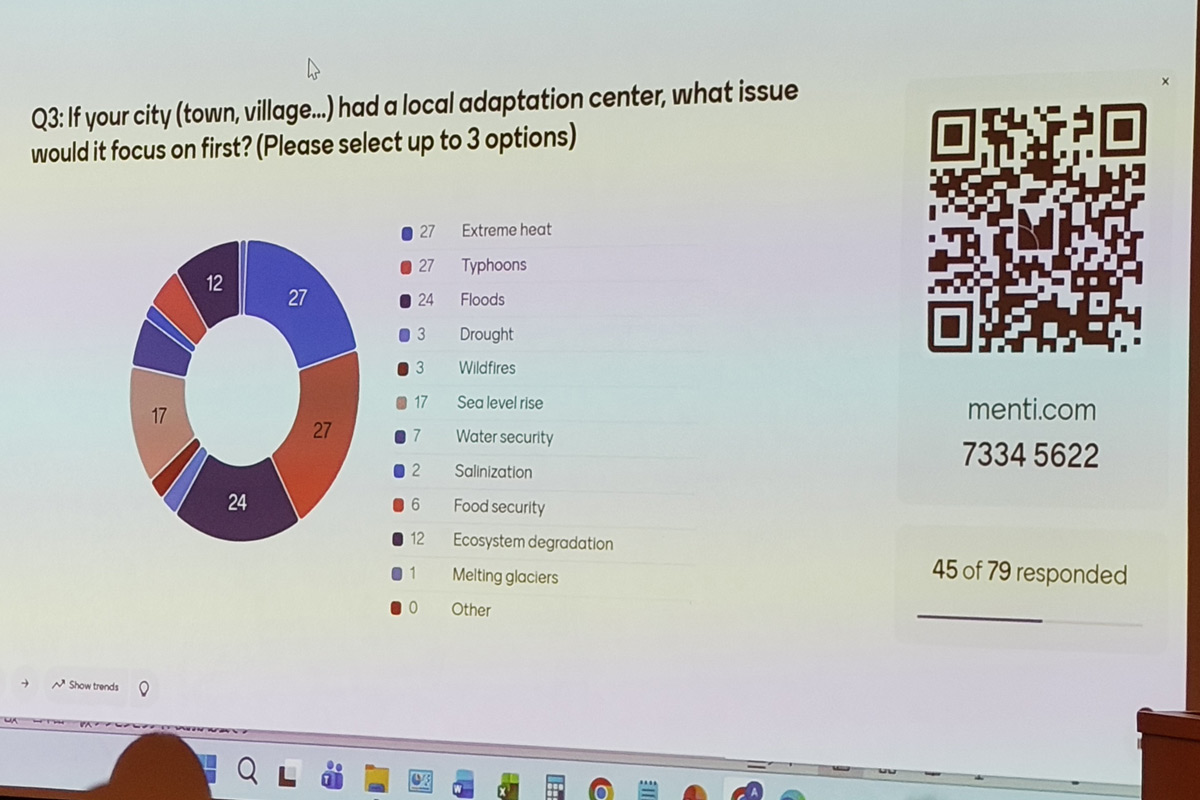
To encourage active participation, the session incorporated an interactive audience engagement tool that enables real-time polling and quizzes. Participants used their smartphones to answer the questions and share their experiences, creating a lively exchange and helping connect global climate challenges with local realities.
JCI Initiatives for Sustainability
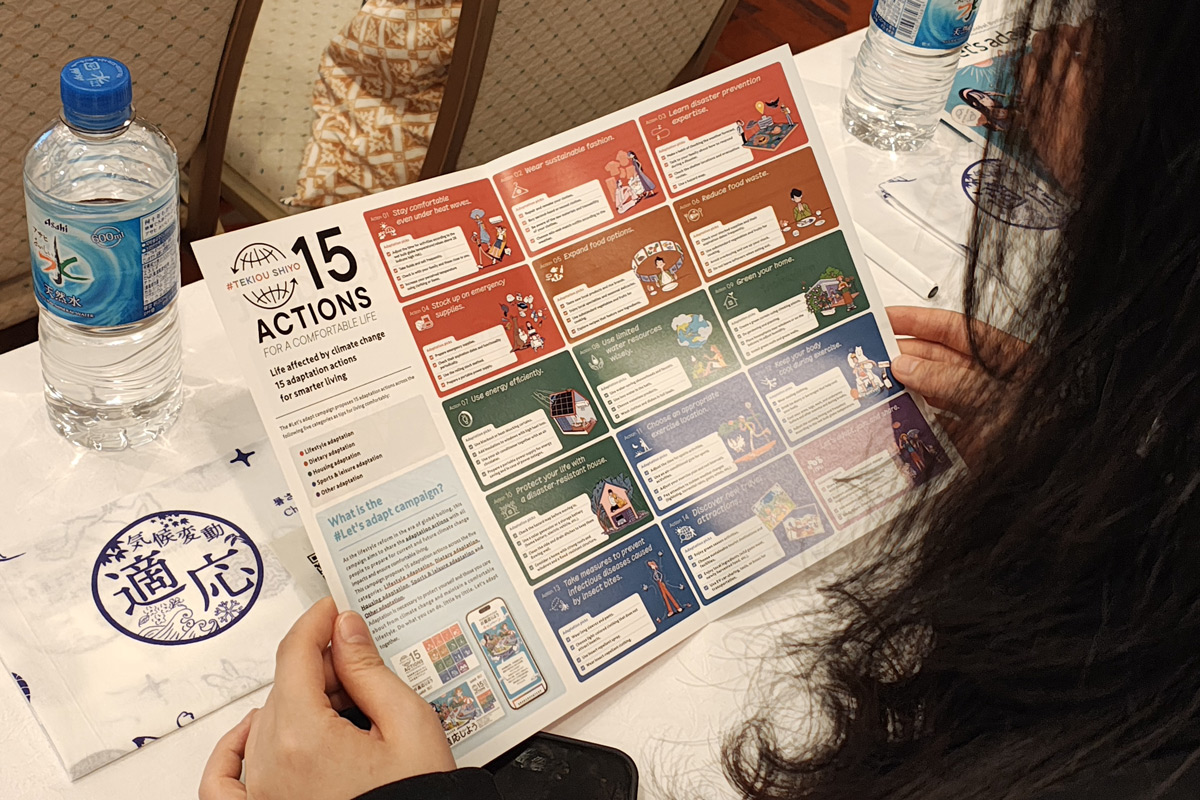
In addition to AP-PLAT’s presentation, participants learned about sustainability initiatives led by JCI members across the region. These included the Blue Sky Returnsproject promoted by JCI Peninsula Hong Kong China, which encourages sustainable lifestyle choices in areas such as clothing, food, housing, and mobility, as well as Eco-MBTI, a tool designed to help individuals better understand their environmental behavior patterns and identify opportunities for climate action.
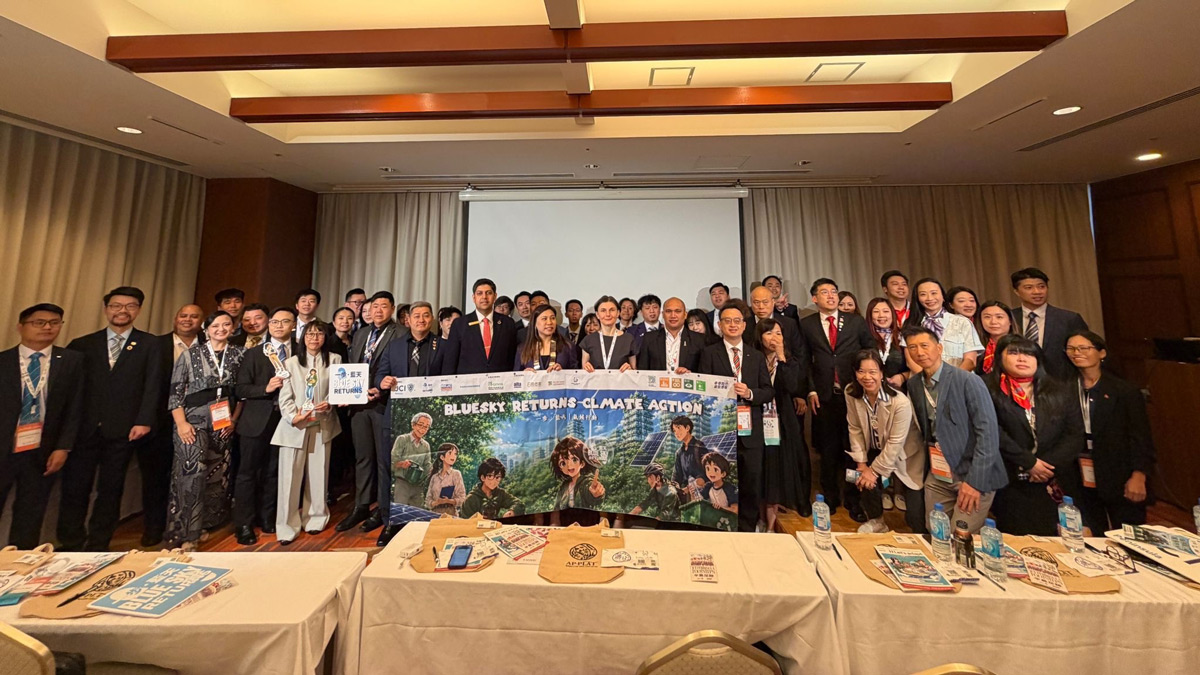
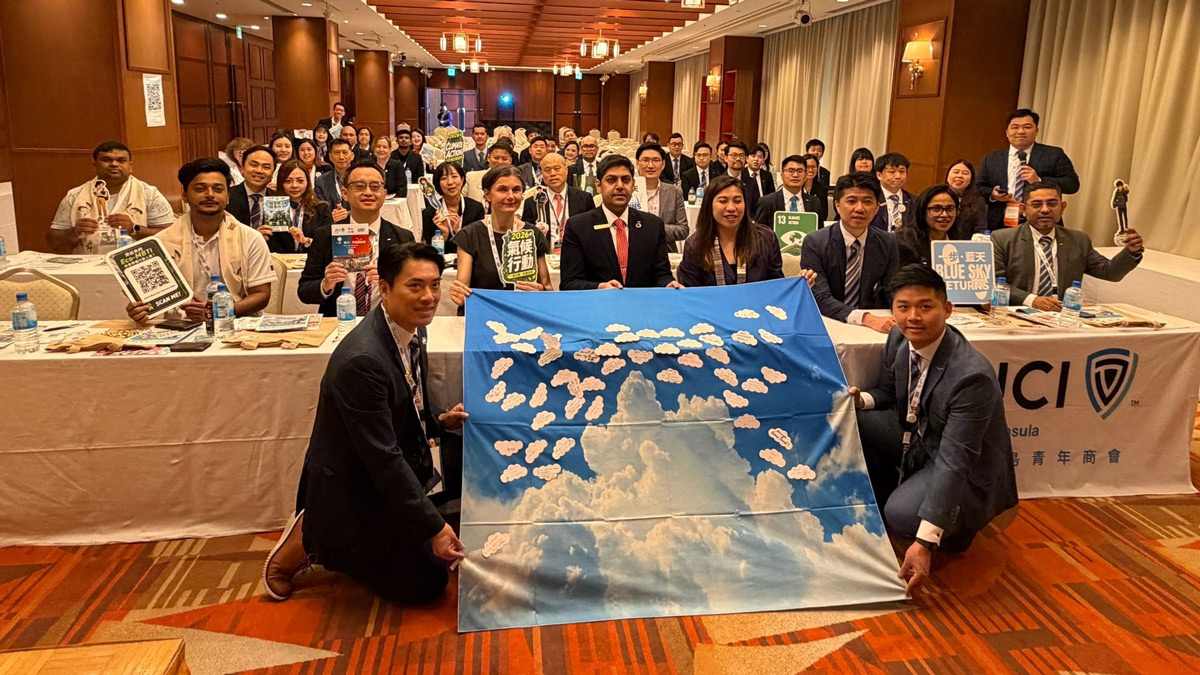
The session also highlighted the upcoming launch of JCI Sustainability Week (SUSTAIN360), which will be held for the first time from 24–30 August 2026. The initiative aims to mobilize learning and local action on issues including climate change, biodiversity, water resources, circular economy, and environmental justice, further demonstrating how young leaders are turning sustainability ambitions into practical action.
Venue exhibitions
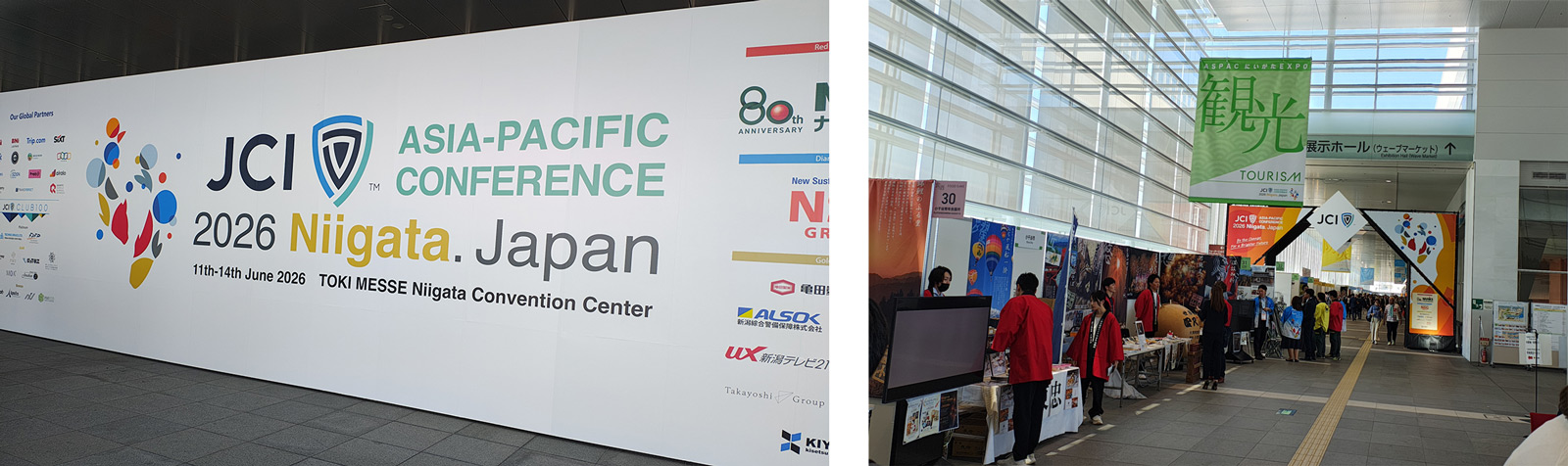
At the venue, many exhibition booths hosted by local companies added to the lively atmosphere and reflected strong local support for the conference.
Closing
Throughout ASPAC, a wide range of programs explored topics such as entrepreneurship, gender, peacebuilding, and sustainability. Among them, we were particularly impressed by the proactive efforts of JCI members and local companies to integrate sustainability into both business practices and everyday life.
AP-PLAT looks forward to continued collaboration with organizations and sustainability practitioners across the Asia-Pacific and beyond, contributing to building a more resilient and sustainable future.
Related Information
(Posted : 17/Jun/2026)
