 Asia - Timor-Leste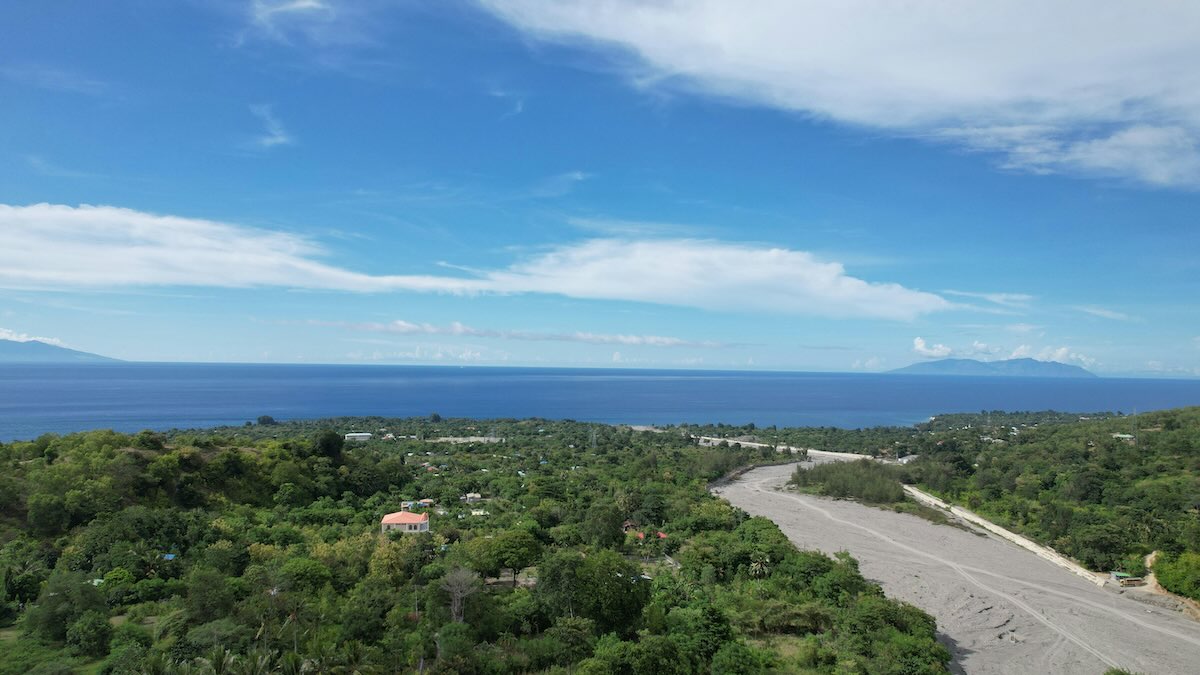
Challenge
Timor-Leste faces climate and ecosystem risks, and the country needs adaptation approaches that connect national planning with community-led traditional practices such as Tara Bandu.
Solution
The NAP integrates Tara Bandu into community-based and ecosystem-based adaptation, using local rules on resource use, conflict resolution, and participation to strengthen resilience.
Overview
Traditional and local knowledge plays a central role in climate change adaptation. It reflects long experience with local ecosystems, climate patterns, and resource use, and supports responses that fit local conditions. This knowledge helps communities grasp environmental change and organize collective action, and it also offers practical starting points for national adaptation planning.
The Adaptation Committee, a subsidiary body of the United Nations Framework Convention on Climate Change (UNFCCC), published a policy brief in 2024 on the use of traditional knowledge, indigenous peoples’ knowledge, and local knowledge systems in adaptation. The brief highlights progress, good practices, challenges, and opportunities, and presents case studies that show how traditional knowledge supports adaptation planning and implementation. One of these examples is Timor-Leste’s Tara Bandu customary rules.
Tara Bandu: A traditional framework for sustainable resource management
Tara Bandu is a traditional practice in Timor-Leste that promotes peace, reconciliation, and clear social norms through public agreements within communities. The state recognizes Tara Bandu as customary law, and communities often apply it to the management of natural resources, especially in forest and marine areas.
Tara Bandu involves ceremonies attended by community leaders, elders, and members. During these events, participants agree on rules and regulations and define sanctions for violations. Rules can, for example, restrict the collection of particular species, limit tree cutting, or prohibit entry to certain sites during specified periods. The framework can also protect sacred places, known as lulik, and guide behavior in those areas.
Through these community agreements, Tara Bandu regulates the use of forests, coastal areas, and marine resources. Experiences documented in Timor-Leste show that Tara Bandu can support conservation of forests, protection of endangered species, and management of fisheries. The practice links cultural values, community authority, and everyday decisions about resource use.
Integrating Tara Bandu into Timor-Leste’s National Adaptation Plan
Timor-Leste’s National Adaptation Plan (NAP) recognizes Tara Bandu as part of the country’s strategy for building community resilience to climate change. The NAP treats Tara Bandu as one of the mechanisms that connect national adaptation goals with local decision-making.
The NAP promotes community-based adaptation approaches that work through Tara Bandu. It views Tara Bandu as a way to engage communities in planning and implementing adaptation measures and to reflect local priorities in decisions about land, forests, and coasts. When communities use familiar customary processes to agree on rules for resource use, they can align adaptation measures with local values and practices.
The NAP also links Tara Bandu to ecosystem-based adaptation. Community rules that protect forests, watersheds, and coastal ecosystems can maintain or restore natural functions that reduce climate risks, such as flood regulation, soil stabilization, and coastal protection. The NAP presents Tara Bandu as one of the enabling conditions for sustainable resource management and resilient ecosystems.
Traditional knowledge is also included in climate risk assessment and adaptation decision-making under the NAP. Local observations and experience help clarify how communities understand vulnerability and existing coping strategies. This information supports national assessments and contributes to the design of adaptation options that reflect local realities.
Bringing Tara Bandu into the NAP provides a structured channel for including local communities in adaptation planning. It helps ensure that community voices are heard, local priorities inform national strategies, and adaptation measures are grounded in practices that people already recognize and respect. Community participation in NAP development and implementation supports ownership of adaptation measures and can improve compliance with agreed rules.
Timor-Leste’s use of Tara Bandu in its NAP shows how traditional customary law can support climate adaptation. The NAP process recognizes and supports Tara Bandu so the country can use traditional knowledge to strengthen climate resilience and promote sustainable development nationwide.
Acknowledgements
This report is based on publicly available information from the UNFCCC Adaptation Committee and sources on Tara Bandu in Timor-Leste.
Related information
- https://climatepromise.undp.org/news-and-stories/indigenous-knowledge-crucial-fight-against-climate-change-heres-why
- https://www.thegef.org/news/mangrove-mountain-building-coastal-resilience-timor-leste
- https://atsea-program.com/event/tara-bandu-from-customary-law-to-food-security-and-coastal-ecosystem-conservation/
- https://www.communityconservation.net/vila-maumeta-timor-leste-the-role-of-tara-bandu-in-marine-and-coastal-conservation/
 DISCOVER MORE

