 Asia - Bhutan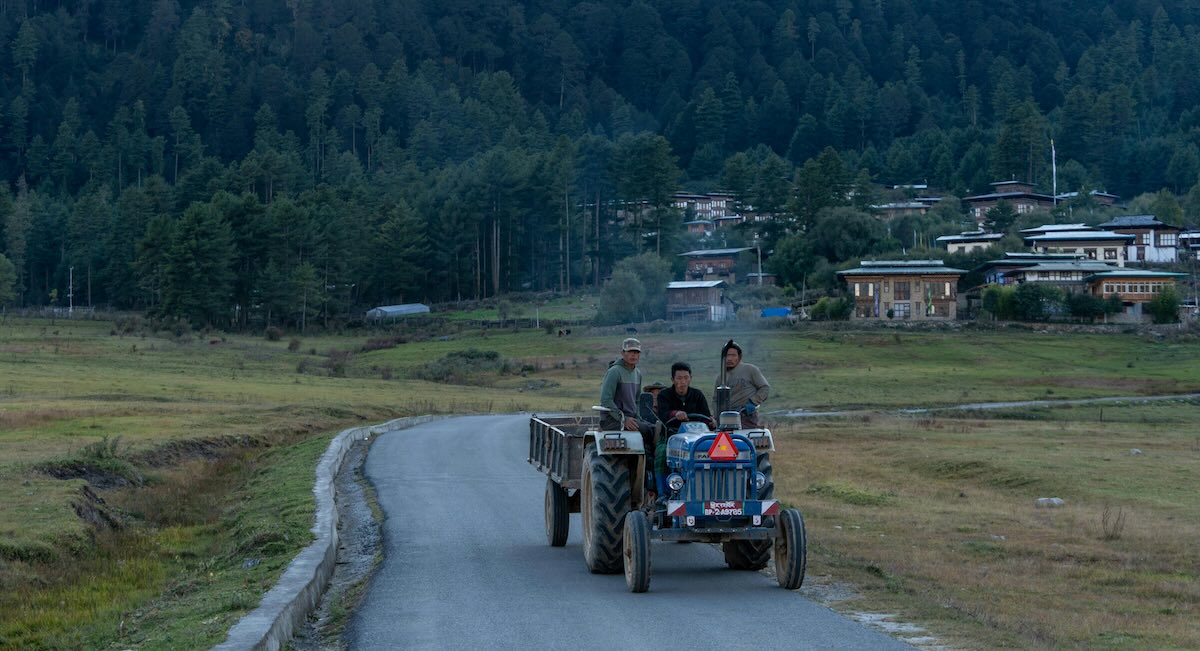
Challenge
Bhutan faces severe mountain climate risks while shifting from urgent, project-based adaptation as a Least Developed Country (LDC) to long-term, economy-wide climate resilience.
Solution
Bhutan’s National Adaptation Program of Action (NAPA) projects and GCF-supported National Adaptation Plan (NAP) embed adaptation across sectors, scale proven measures, and align climate resilience with Gross National Happiness.
Overview
Bhutan, located in the southern part of the Himalayan mountain range, spans high mountain areas over 7,000 meters and subtropical zones below 1,000 meters above sea level. This varied terrain, combined with climate change, exposes the country to multiple climate-related hazards, including glacial lake outburst floods (GLOFs), river flooding, landslides, forest fires, and other extreme weather events. Bhutan also faces long-term stresses such as water scarcity and drought.
Around 70% of Bhutan’s roughly 800,000 people work in agriculture, and key foreign currency earnings come from tourism and hydropower exports that rely on mountain river flows. These characteristics mean that climate impacts directly affect livelihoods, food security, and national revenue.
Bhutan’s economic development was historically constrained, partly due to long-standing isolation, and its human development index remained low for many years. As a result, the country held Least Developed Country (LDC) status under the United Nations until recently. At the same time, Bhutan has pursued a distinct development philosophy rooted in Tibetan Buddhism. Its Gross National Happiness (GNH) approach emphasizes balanced progress that protects the natural environment and cultural heritage alongside economic growth. With gradual economic gains and this distinctive nation-building model, Bhutan graduated from LDC status in December 2023.
Early adaptation action through the NAPA process
Bhutan’s approach to climate change adaptation has closely aligned with international mechanisms under the United Nations Framework Convention on Climate Change (UNFCCC). Since 2001, the UNFCCC’s LDC work program has supported Least Developed Countries in preparing National Adaptation Programs of Action (NAPAs). NAPAs prioritize urgent responses to immediate climate threats, usually through targeted sectoral projects.
As an LDC at that time, Bhutan submitted its NAPA in 2006 and subsequently implemented three projects with support from the Global Environment Facility.
- Reducing Climate-Change Induced Risks and Vulnerabilities from Glacial Lake Outbursts in the Punakha-Wangdi and Chamkhar Valleys: This project focused on lowering the water level of Thorthormi Lake to reduce GLOF risk, strengthening disaster risk management, and installing an early warning system.
- Addressing the Risk of Climate-Induced Disasters through Enhanced National and Local Capacity: This project aimed to strengthen early warning systems, improve water resource management, and strengthen disaster preparedness at national and local levels.
- Enhancing Sustainability, Agricultural Landscapes, Community Livelihoods: This project aimed to improve agricultural sustainability and community livelihoods by promoting climate-resilient practices and strengthening landscape management.
These projects responded to urgent needs identified in the NAPA, including GLOF risk reduction, water resource management, disaster risk reduction, and sustainable agriculture.
Moving toward long-term resilience with the NAP
As understanding of climate risks has deepened, the need for more comprehensive and strategic adaptation planning has become clear. The Cancun Adaptation Framework, adopted under the UNFCCC in 2010, established the National Adaptation Plan (NAP) process to extend adaptation beyond short-term projects and toward medium- and long-term strategies. It encouraged all developing countries to formulate and implement NAPs that address their priority adaptation needs.
Bhutan’s NAP was formulated with support from the Green Climate Fund through a project that provided resources and expertise for vulnerability assessments, stakeholder engagement, strategy development, and capacity-building, and contributed to the NAP’s finalization in 2023. The Bhutan NAP sets out a comprehensive, long-term adaptation approach that builds on lessons from the NAPA and earlier projects.
In particular, the NAP incorporates NAPA priorities and experience in several ways:
- Using identified priorities: NAPA priority areas, including GLOF risk reduction, water resource management, and disaster risk reduction, remain central in the NAP.
- Scaling up successful interventions: Successful NAPA projects have been expanded and replicated in other parts of the country.
- Mainstreaming adaptation: Adaptation measures have been integrated into national policies, plans, and programs across sectors so that adaptation is considered in development decisions.
- Strengthening institutional capacity: The NAP strengthens institutional capacity for adaptation, including better climate information and early warning systems.
Bhutan’s NAP is also closely linked to its GNH philosophy, which prioritizes holistic well-being rather than economic growth alone. The NAP recognizes climate change impacts on social, cultural, and environmental dimensions of well-being and aims to protect these foundations of happiness. It places strong emphasis on environmental preservation, including protection of forests and other natural resources, and supports participatory adaptation planning that draws on traditional knowledge and local practices. The NAP promotes sustainable and equitable climate-resilient development so that adaptation contributes to long-term well-being for Bhutanese people in line with core GNH principles.
Acknowledgements
This report is based on publicly available information from the United Nations Framework Convention on Climate Change and the United Nations Development Programme.
Related information
- UNFCCC: Bhutan experiences with the NAPA process
https://unfccc.int/topics/resilience/workstreams/national-adaptation-programmes-of-action/ldc-portal/country-experiences-with-napa-process/Bhutan - https://www.adaptation-undp.org/success-stories-bhutans-process-formulate-and-implement-nap
 DISCOVER MORE

