 Asia - Japan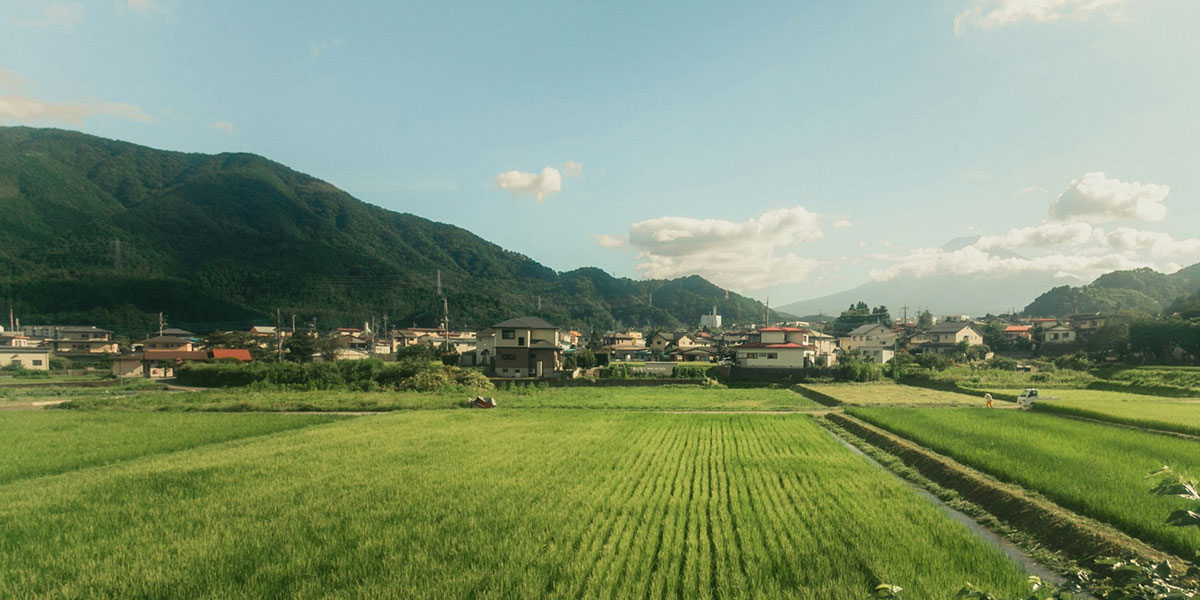
Challenge
Higashiomi City in Japan faces depopulation, forest degradation, climate-driven disaster risks, economic stagnation, and declining community cohesion.
Solution
The local organization kikito helps to sustainably manage forests, improve forestry practices, build community solidarity, and support local economic growth through regional assets.
Overview
The city of Higashiomi is in central Japan, directly east of Kyoto, in Shiga Prefecture. The area faces interconnected social and environmental pressures: depopulation, an aging demographic – especially the outflow of young people – stagnation of the local economy, and declining local communities. Forests and mountains in the region have suffered from inadequate management, increasing the frequency of landslides, erosion, and debris flow. Meanwhile, climate change is further intensifying these disaster risks.
The local organization kikito (officially styled with a lower-case “k”) was established to address these challenges in Higashiomi. Its work spans sustainable forest management, climate change adaptation, disaster preparedness, and local economic revitalization. The organization takes an integrated approach, linking ecological restoration with community solidarity and economic development to build long-term resilience.
Sustainable forest management
Kikito promotes the sustainable use of local resources and the sound management of mountains and forests. A cooperative framework involving local businesses, governments, and residents supports forest conservation and strengthens community ties.
The organization has developed a stable supply system for local timber, reducing transportation costs and supporting sustainable forest management. It also produces kikito paper, made from thinned wood, which contributes to forest renewal and carbon offsetting. kikito supports local economic growth by promoting products aligned with its environmental mission.
Climate change adaptation and disaster preparedness
Kikito is improving agricultural and forestry management to help local people cope with environmental changes. Educational activities raise awareness of the water retention function of mountains and forests – how healthy forest soil absorbs rainfall, slows runoff, and reduces the risk of landslides, erosion, and debris flow.
These initiatives contribute to community preparedness and cooperation among residents. Regular interaction builds the solidarity essential for mutual support in emergencies (Kimura et al., 2019; Yamori, 2011).
Community and economic revitalization
Community revitalization is central to kikito’s work. Activities promote interaction and solidarity among residents, building the mutual support networks that are essential in emergencies.
Kikito has also supported local economic growth by encouraging new businesses and products aligned with its environmental mission, including goods made from local materials that promote regional craftsmanship. The revitalization of Biwako no Mori (Lake Biwa Forest) through sustainable forest management, resource utilization, and risk diversification is a clear achievement.
Outlook
Kikito’s integrated approach – linking ecological restoration, disaster risk reduction, and community economic development – offers a model for rural areas facing similar pressures of depopulation and climate-driven environmental degradation. Continued investment in forest management, community engagement, and locally grounded economic activity will be central for long-term resilience in Higashiomi.
Acknowledgements
This report is based on publicly available information from kikito’s website. Acknowledgement is given to the organizations that made this knowledge accessible. Reported by IGES, edited and updated by AP-PLAT.
Related Links / References
- kikito (Japanese website)
- Kimura, N., Hoshino, S., and Onitsuka, K. (2019). Analyzing the Association Between Disaster Risk Preparedness and Environmental Consciousness of Small and Medium-Sized Enterprises: The Case of Sukagawa City, Fukushima Prefecture, Japan, Journal of Disaster Research, 14(8), 1047-1058,
https://doi.org/10.20965/jdr.2019.p1047 - Yamori, K. (2011). Seikatsu bousai no susume (Recommendations for disaster prevention in daily life: the Great East Japan Earthquake and Japanese society), Nakanishiya Publishing Co. Ltd. (in Japanese).
 DISCOVER MORE

