 Asia - Japan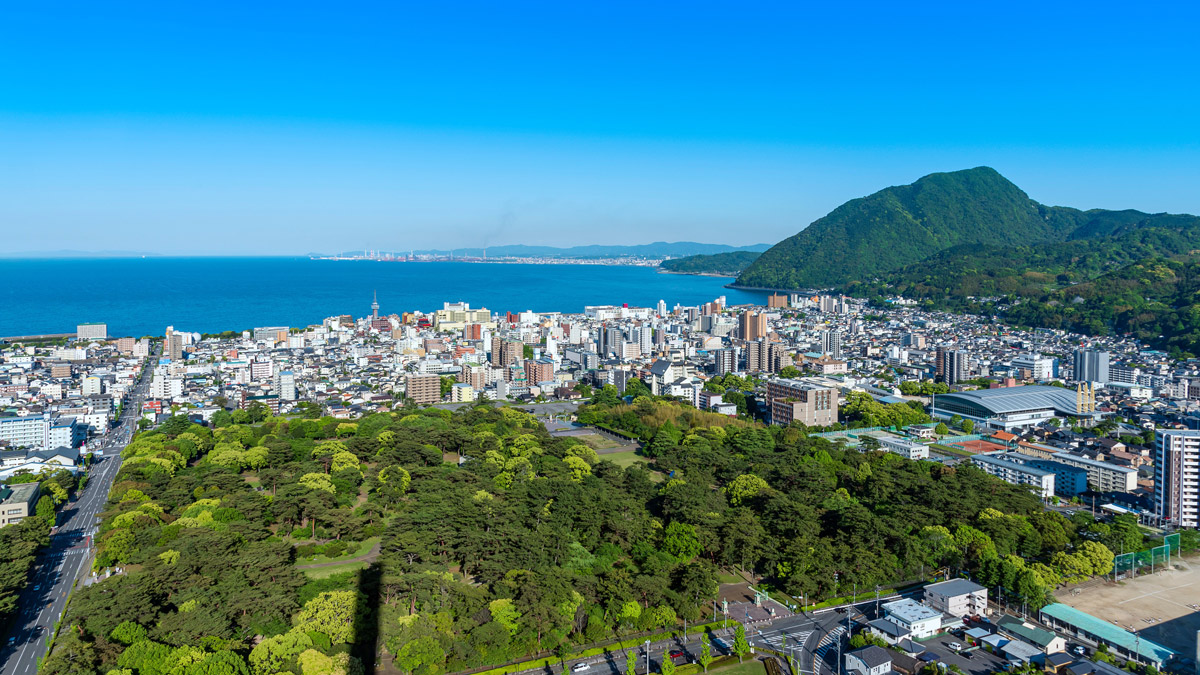
Challenge
Traditional disaster preparedness often overlooks vulnerable groups, putting older people and persons with disabilities at higher risk in emergencies.
Solution
Beppu City in Japan implemented an inclusive framework that integrates community-driven planning, customized evacuation support, and inclusive drills.
Overview
As climate change intensifies the frequency of disasters, disparities put marginalized populations at higher risk. Beppu City in southwestern Japan, known for its hot springs and vibrant tourism, has been pioneering an inclusive approach to disaster risk reduction known as Inclusive BOSAI. Recognizing the diverse needs of its population, the city has implemented strategies to ensure that disaster preparedness is accessible to all, including older people, persons with disabilities, and other vulnerable groups.
Inclusive BOSAI (bosai means “disaster prevention” in Japanese) is a framework that integrates different community members’ perspectives to create a more resilient society. Traditional disaster preparedness measures often overlook individuals with special needs, leading to disparities in response and recovery. And standard evacuation plans may not accommodate mobility limitations, and disaster drills frequently fail to incorporate inclusive strategies.
Without tailored support systems and collaborative community engagement, many individuals have trouble accessing timely assistance and essential resources during emergencies
Beppu’s initiative aims to close this gap by encouraging collaboration between local authorities, citizens, and support organizations to co-develop and implement inclusive disaster preparedness measures (Beppu City, 2020 [in Japanese]).
Community-driven planning
Beppu actively involves residents in disaster planning through workshops and discussions that highlight the specific needs of vulnerable groups. This participatory approach ensures that preparedness measures are practical and relevant to those who need them most.
Customized evacuation support
Ensuring safe and efficient evacuations for individuals requiring assistance is one of the challenges in disaster situations. Beppu has introduced personalized evacuation plans, identifying and mapping residents who need additional support. Volunteers and local organizations work together to provide necessary assistance during emergencies.
Training and awareness campaigns
Regular disaster drills are conducted to educate citizens on inclusive response strategies. These drills involve role-playing scenarios where participants experience evacuating with mobility aids or guiding visually impaired individuals, building empathy and preparedness.
Collaboration with local stakeholders
Beppu’s disaster preparedness strategy includes partnerships with social welfare organizations, medical institutions, and academic researchers. This network strengthens the community’s ability to respond effectively to disasters and ensures ongoing improvements based on real-world experiences.
Outlook
Climate change continues to increase disaster frequency and intensity, making it increasibly pressing for preparedness measures to be equitable and accessible. Beppu aims to expand its efforts by incorporating advanced technologies, strengthening communication networks, and encouraging greater international cooperation to share knowledge and best practices.
Inclusive BOSAI shows how a community-centered approach can lead to more effective and equitable disaster preparedness. The city prioritizes the needs of all residents, particularly those who are most vulnerable, creating a model for inclusive disaster resilience that can inform other regions.
Acknowledgements
This report is based on publicly available information from the sources listed below. Acknowledgement is given to the organizations and researchers that made this knowledge accessible. Reported by IGES, edited and updated by AP-PLAT.
Related Information
Japanese document: Beppu City (2020). Inclusive BOSAI in Beppu city, Reference No.3, Sub-Working Group on “Evacuation of the Elderly, etc.” based on Typhoon No. 19 in 2019 (the first), June 19, 2020. Available at https://www.bousai.go.jp/fusuigai/koreisubtyphoonworking/pdf/dai1kai/siryo3.pdf
Japanese website: Inclusive Disaster Risk Reduction (i-BOSAI)
https://i-bosai.inclusive-drr.org
 DISCOVER MORE

