 Asia - Nepal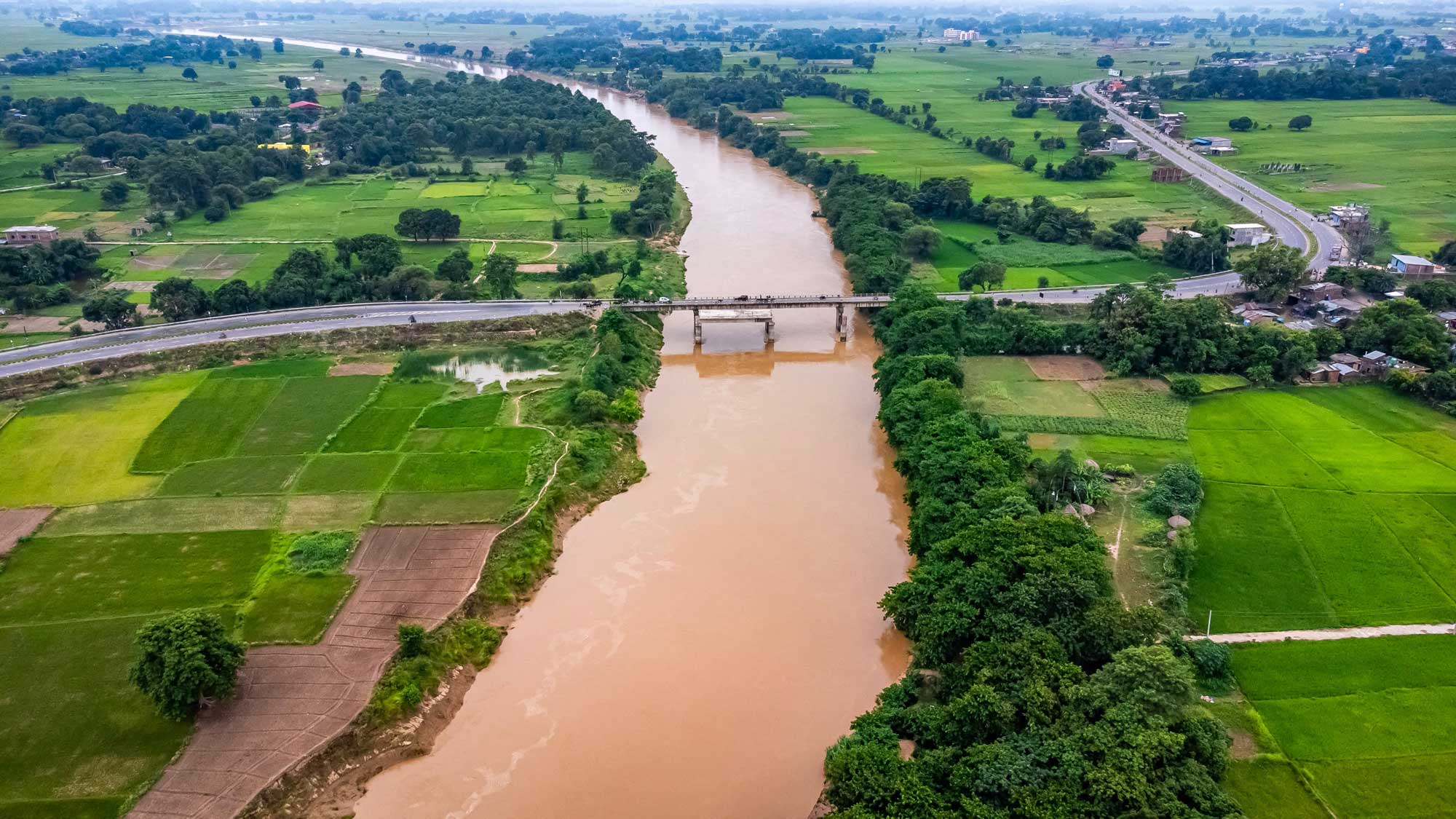
Challenge
Floods in Nepal highlighted gaps in disaster risk reduction (DRR): non-economic losses such as mental health, cultural heritage, and environmental damage were overlooked.
Solution
Integrating non-economic factors into DRR policies involves revising assessment tools, conducting research, and building institutional capacity.
Overview
In August 2014, the Karnali region of Nepal experienced flooding that affected more than 120,000 people, killed 222, and caused widespread destruction (MacClune et al., 2015). Agricultural lands, infrastructure, homes, and social structures were destroyed, leaving lasting impacts on residents.
Economic and non-economic losses resulted from the disaster. Economic losses are quantifiable and typically include destruction of physical assets, infrastructure, and livelihoods. Non-economic losses, however, encompass impacts that are not easily measured in monetary terms, such as loss of life, health impacts, and cultural heritage.
Quantifiable losses
Economic damage from the floods was calculated through assessments conducted by local authorities, such as the District Disaster Relief Committee (DDRC), which evaluated the extent of damage across various sectors, including agriculture, infrastructure, and personal property. Monetary values were assigned to losses based on local market prices and the cost of repairs or replacements, providing a comprehensive estimate of the overall economic impact.
Floodwaters swept away paddy fields, killed over 2,000 cattle and nearly 20,000 birds, leading to total agricultural losses estimated at NPR (Nepalese rupee) 1.1 billion (approximately USD 10.2 million). The floods also caused damage to infrastructure totaling NPR 3.7 billion (approximately USD 34 million) (DDRC Bardiya, 2014). This included the destruction of roads, bridges, irrigation systems, and schools, disrupting the daily lives and economic activities of the affected communities. The loss of productive land due to sediment deposits further exacerbated the economic damage, making it difficult for farmers to resume agricultural activities.
Intangible losses
Non-economic damage from the floods is challenging to calculate. Unlike economic damages, these types of losses are difficult to quantify in monetary terms. In this case, collecting qualitative data through interviews, focus group discussions, and community surveys was one way to estimate non-economic damage. For example, community members reported high levels of anxiety and fear, especially among vulnerable groups such as women, children, and older people. Community members also described the loss of traditional practices and social connections because of displacement, which profoundly affected their sense of identity and belonging.
Considering the long-term consequences of these losses on the community’s resilience and development is another approach to assessing non-economic damage. For instance, the floods damaged many schools in Karnali, and this disrupted the educational environment and led to high dropout rates among children. This setback in education affected the immediate well-being of the children and had lasting implications for their future opportunities and the region’s socio-economic development. Another example is the environmental damage the floods caused, such as loss of biodiversity and ecosystem services. These losses have long-term effects on the community’s ability to sustain agriculture and protect against future disasters.
Integrating non-economic losses into policy
To address non-economic damage effectively, there must be a concerted effort to incorporate these losses into disaster risk reduction (DRR) and climate change policies at national and local levels. This approach involves revising existing assessment tools to include non-economic parameters, such as mental health impacts, forced displacement due to flood, loss of cultural heritage, and environmental degradation.
To support incorporating non-economic damage, in-depth research and studies are needed to better understand these intangible losses, along with strengthening the capacity of institutions to assess and respond effectively. Involving communities in the assessment process and developing long-term strategies to address the resilient recovery of social, cultural, and environmental dimensions can also ensure a more holistic and inclusive approach to disaster recovery.
Acknowledgements
This report draws from the working paper, “Assessing and addressing climate-induced loss and damage in Nepal,” by Prabin Man Singh, Janaki Shrestha, Sunil Acharya, and Madhab Uprety, with contributions (including study conceptualization and review) from Bikram Rana Tharu, Colin McQuistan, Dharam Raj Uprety, and Krity Shrestha. Reported by IGES, edited and updated by AP-PLAT.
Related Information
- Practical Action Project Page
https://practicalaction.org/knowledge-centre/resources/assessing-and-addressing-climate-induced-loss-and-damage-in-nepal/
- Practical Action (2021) Assessing and addressing climate-induced loss and damage in Nepal, Practical Action, Rugby. https://infohub.practicalaction.org/bitstream/handle/11283/622832/Assessing%20and%20addressing%20climate-induced%20loss%20and%20damage%20in%20Nepal.pdf
- DDRC Bardiya (2014) Bardiya Floods Impact 2074 Report, District Disaster Relief Committee Bardiya.
- MacClune, K., Venkateswaran, K., Dixit, K.M., Yadav, S., Maharjan, R., and Dugar, S. (2015) Risk Nexus Urgent Case for Recovery: What We Can Learn from the August 2014 Karnali River Foods in Nepal, ISET-International, Boulder, CO; and Zurich Insurance Group Ltd, Zurich.
 DISCOVER MORE

