 Asia - Cambodia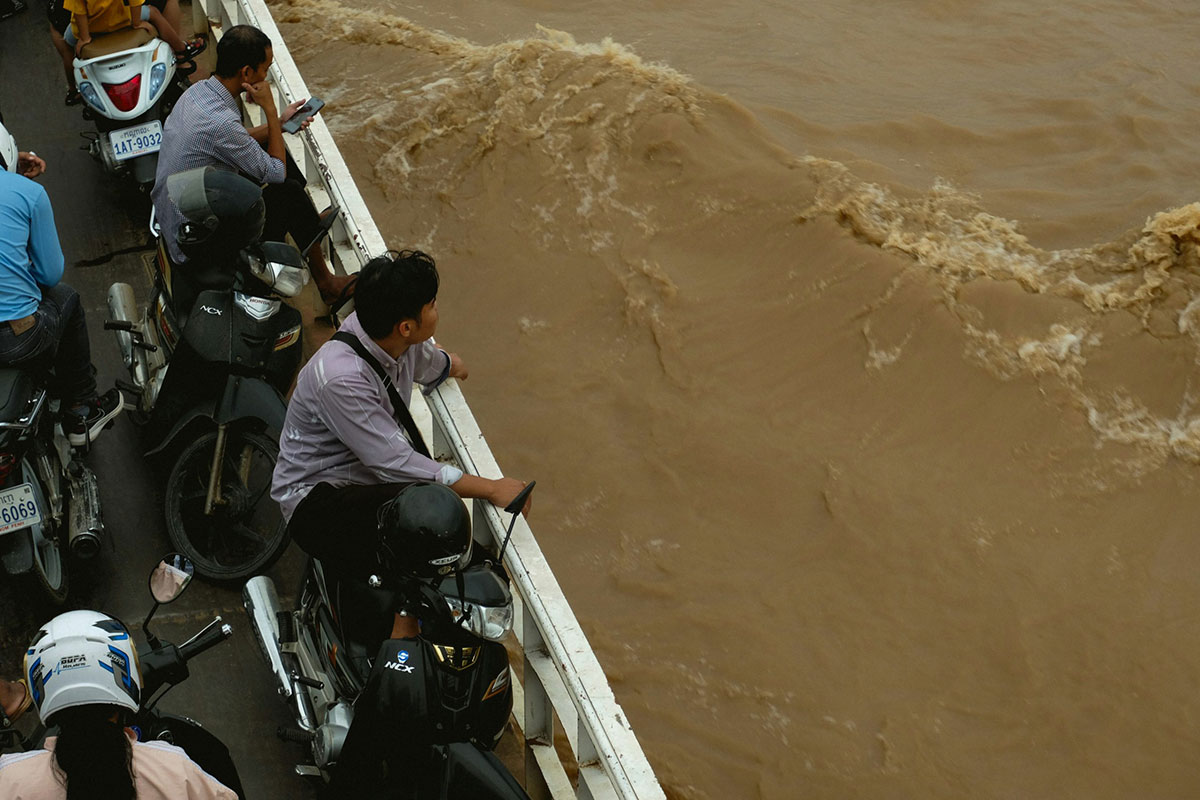
Challenge
Floods in Cambodia in 2020 affected thousands, but COVID-19 restrictions hampered community participation and transparency in recovery efforts.
Solution
Strive for future disaster aid to use community meetings and digital tools for clear, inclusive communication, fostering trust and fair distribution.
Overview
In late September 2020, Cambodia faced devastating floods triggered by tropical storms Nangka and Saudel, severely impacting Battambang province. The floods caused widespread damage, affecting thousands of households, particularly in the Thmar Kaul and Moung Ruessei districts (Save the Children International, 2021). In response, Save the Children – funded by European Civil Protection and Humanitarian Aid Operations (ECHO), Save the Children Korea, and its Children’s Emergency Seed Fund – launched a multi-sectoral project aimed at meeting the immediate needs of 3,667 affected households. The project provided unconditional cash transfers, improved access to safe drinking water, and re-established a safe learning environment for children.
Despite these efforts, the response highlighted the need for more robust disaster risk reduction (DRR) strategies, including the integration of community engagement to ensure a transparent and effective flood response. Save the Children’s “Best Practices and Lessons Learnt” report documented the challenges and recommendations from this response.
Context of Cambodia’s DRR efforts
Cambodia’s DRR efforts were characterized by a mix of government-led initiatives and international support, yet these efforts often lacked cohesion and community involvement. The government’s strategies, aligned with the frameworks established by the United Nations Office for the Coordination of Humanitarian Affairs (UN-OCHA) and the Humanitarian Response Fund (HRF), aimed to address the immediate needs of communities during disasters.
Efforts to promote WASH (water, sanitation, and hygiene) initiatives or cash transfer mechanisms were being implemented; however, these actions were often top-down and did not fully involve the communities in a participatory manner.
COVID-19 pandemic and the absence of community meetings
The report identified the difficulty of organizing community meetings amid the COVID-19 pandemic as one of the main challenges. COVID-19 restrictions made it impossible to hold open community meetings where selection criteria and processes could be transparently communicated to all community members. As a result, some members of the community felt that the selection process was biased and unfair, particularly in villages with pre-existing social tensions.
Inadequate communication about the project’s interventions led to misunderstandings and unmet expectations. For example, some beneficiaries were unclear about the specifics of the cash transfer process, and others were not fully informed about the content and timing of WASH kit distributions. Inconsistent messaging exacerbated this confusion, as different projects in the same area provided similar interventions without clear differentiation, leading to increased frustration within the community.
Recommendations for building resilience
The report recommended that future projects prioritize the integration of digital tools and innovative communication methods that can facilitate community engagement even in the absence of physical meetings. For example, the use of Interactive Voice Response (IVR) systems or mobile apps could enable real-time communication with community members, allowing them to participate in decision-making processes and provide feedback on the project’s implementation. The report also recommended establishing clear and consistent messaging from the outset to avoid confusion and ensure that all stakeholders have a shared understanding of goals and processes.
The report highlighted the potential benefits of community meetings and the challenges that can arise in implementation. While the project successfully provided life-saving support to thousands of households, the lack of transparency in the beneficiary selection process underscored the need for more robust and adaptable community engagement strategies.
Future projects can address these challenges and incorporate innovative communication methods to ensure that community meetings serve as a powerful tool for building resilience and strengthening the effectiveness of disaster response efforts.
Acknowledgements
This report draws from “Best Practices and Lessons Learnt, Flood Response 2020 Evidence to Action Report” by Save the Children and its partners, including World Vision, Hagar International, and Komar Rikreay Association. Reported by IGES, edited and updated by AP-PLAT.
Related Information
- [Save the Children International]. (2021). Best Practices and Lessons Learnt, Flood Response 2020 Evidence to Action Report. [Briefs, Fact Sheets and Brochures]. https://resourcecentre.savethechildren.net/document/best-practices-and-lessons-learnt-flood-response-2020-evidence-action-report/
 DISCOVER MORE

