 Asia - Japan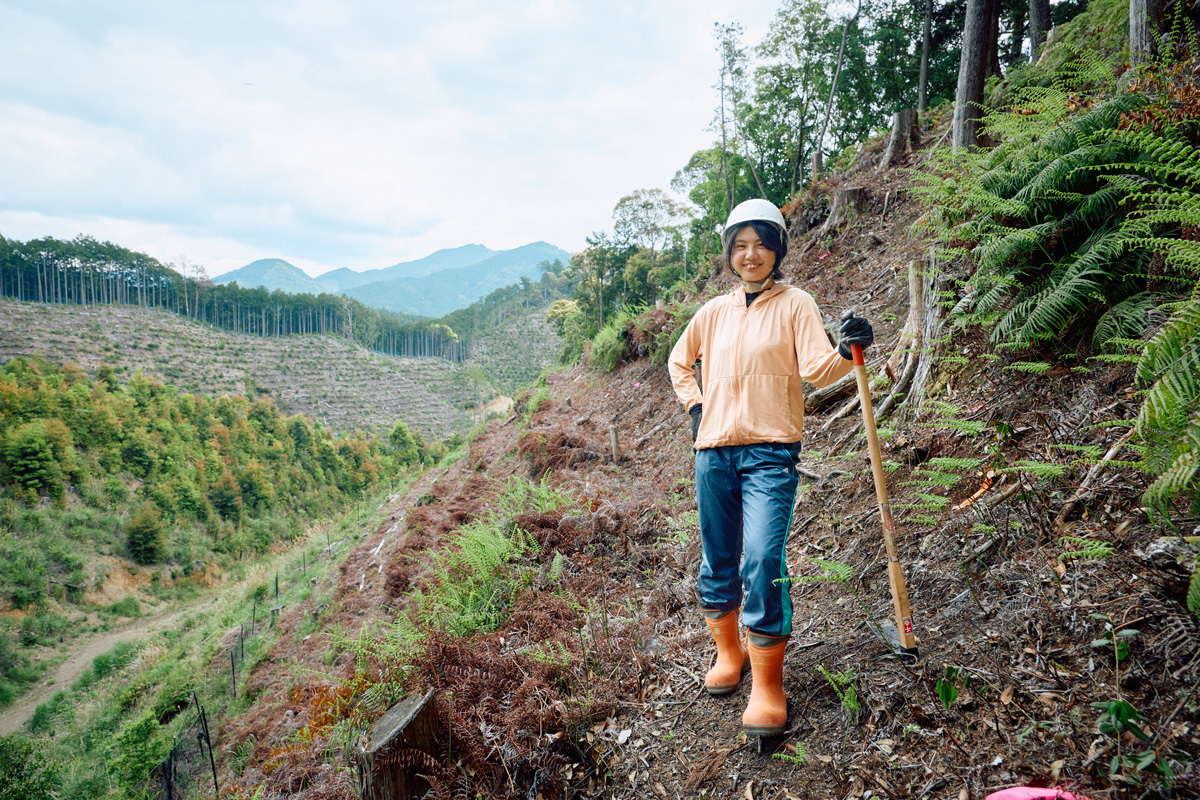
| Date of interview | May 15, 2025 |
|---|---|
| Interviewee | ・Tokika Okugawa, President, Somanobase Inc. ・Ryota Sairaiji, Creative Director & MODRINAE Brand Producer, Somanobase Inc. |
Mitigating Landslide Risk by Planting Grown Seedlings
Could you give us an overview of your business?
Okugawa: We aim to reduce landslide-related casualties to zero. With a focus on forests as a key measure against landslides, we work to prevent landslides as much as possible and reduce their risk. We mainly provide services and products that connect people with forests and companies with forests.
One of these initiatives is MODRINAE. Could you tell us what it is?
Okugawa: MODRINAE is a product that allows individuals and companies to grow seedlings. We launched it as part of our efforts to reduce landslide risk through the planting of grown seedlings.
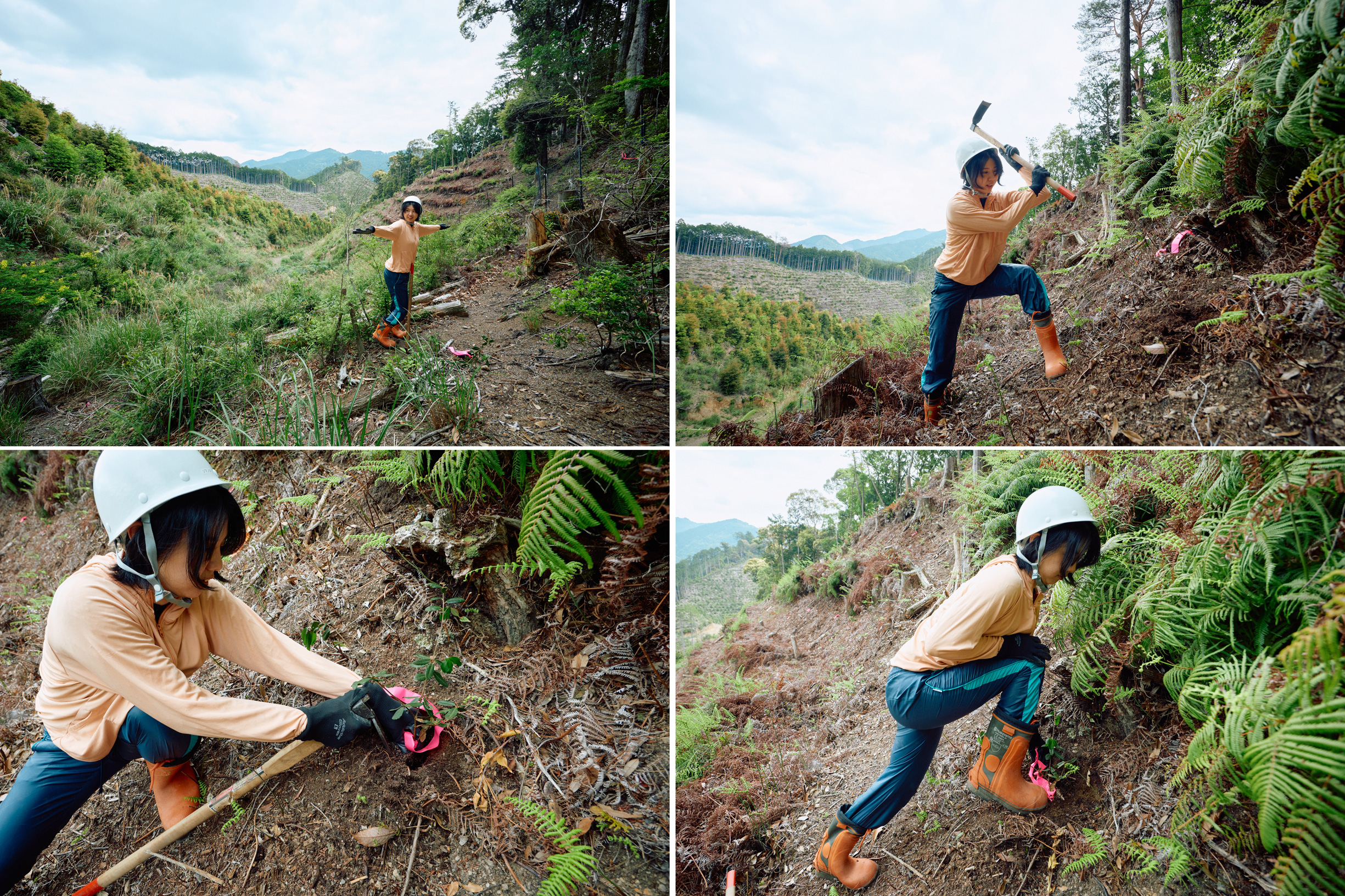
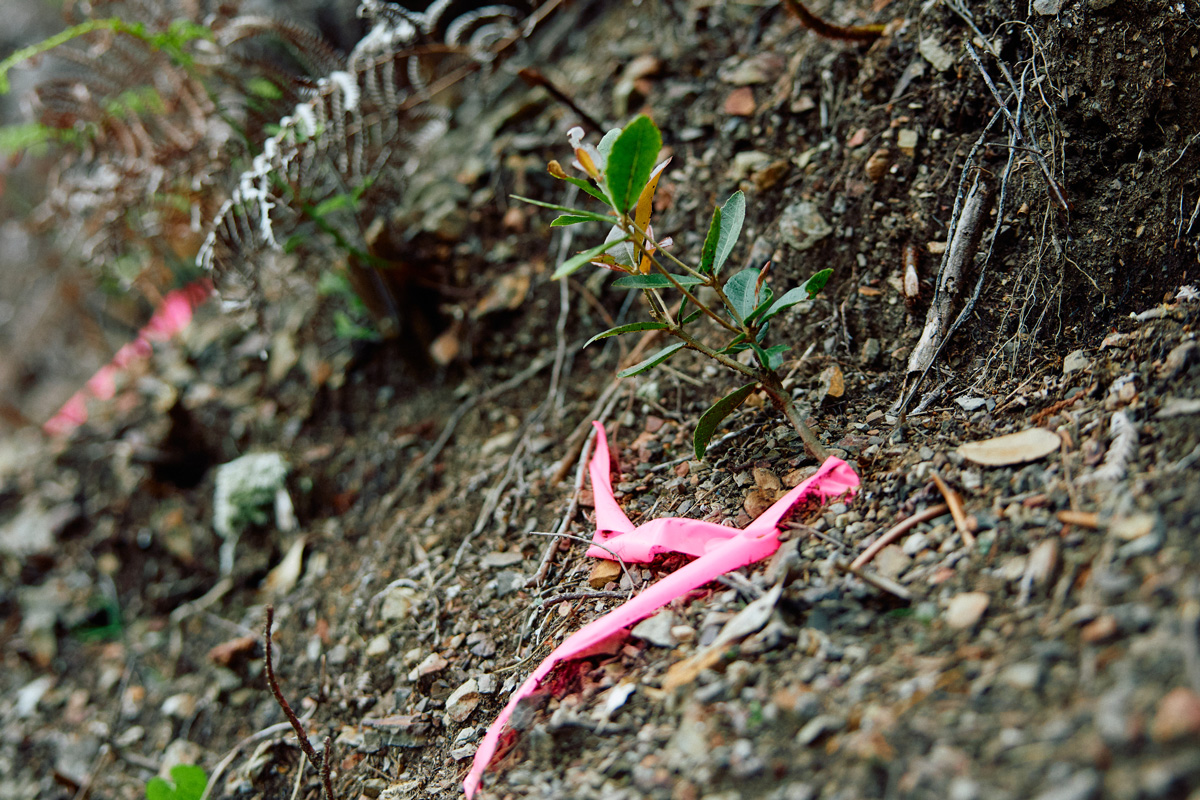
Individual customers purchase acorns from our e-commerce site and grow them into seedlings over two years. They then return the seedlings to us, and we plant them in the mountains of Wakayama.
Is planting conducted only in Wakayama?
Okugawa: Yes, it is currently limited to Wakayama, our hometown. To protect ecosystems, only acorns collected in Wakayama are used for seedling cultivation.

We hear you also hold planting events.
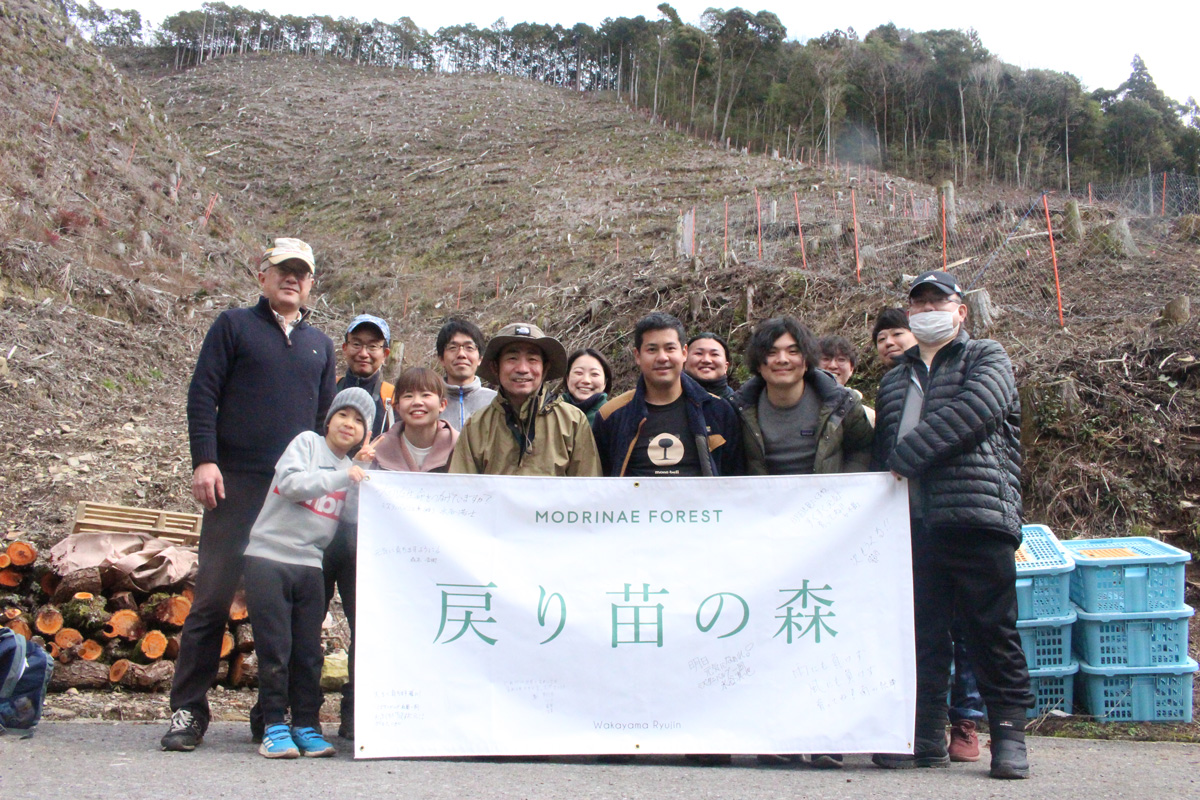
Sairaiji: Yes. With the hope that our customers will ultimately come to the mountains, we have believed since the launch of MODRINAE that these touring events are essential. Providing a hands-on experience of planting trees oneself that will grow into mountains is important.
Do your staff members collect acorns?
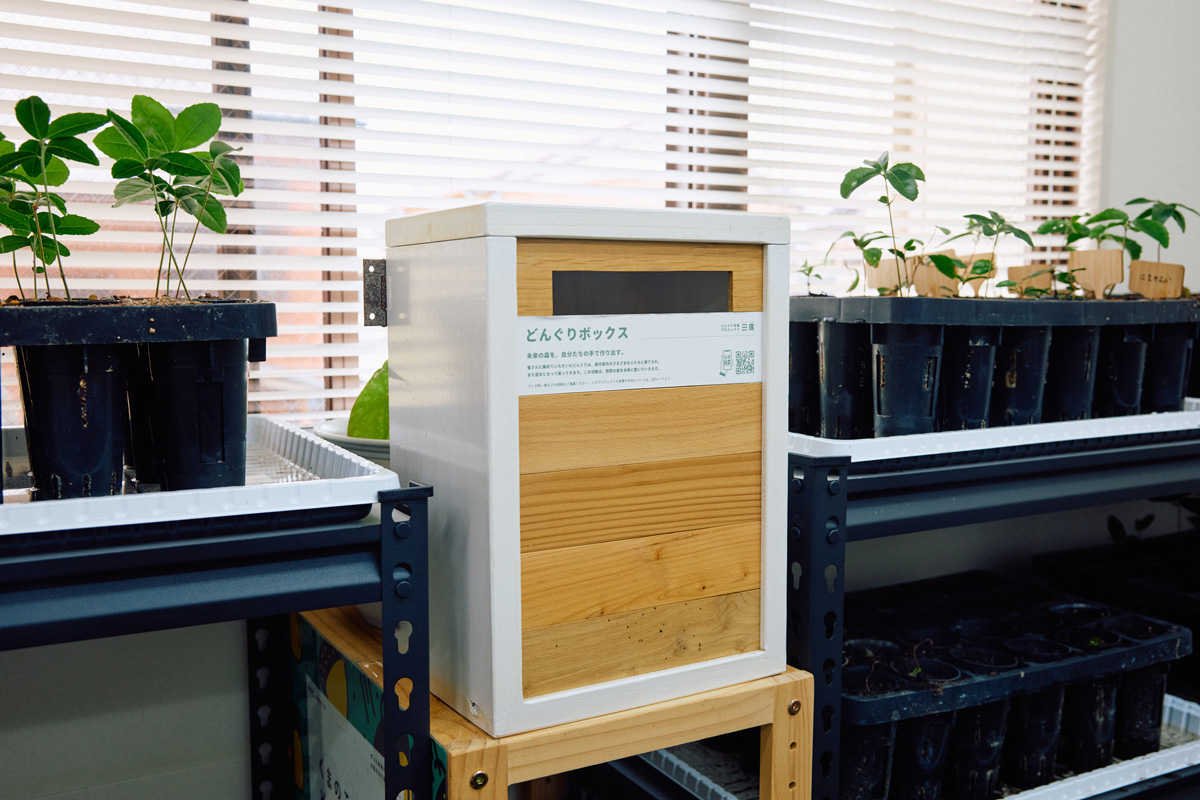
Okugawa: We set up an acorn collection box for local residents, select the collected acorns, and sell and cultivate them as MODRINAE.
For regions outside Wakayama, our partner foresters collect their local acorns.
What is the reason for collecting acorns in regions outside Wakayama?
Okugawa: Only acorns collected in Wakayama are sold to individual customers. Meanwhile, acorns from other regions are mainly used for corporate collaborations.
For example, in Hokkaido, we held a limited-time program in which acorns from Hokkaido water oak trees were distributed as MODRINAE and planted in the mountains of Hokkaido.
Previously, forestation meant that companies paid a substantial amount of money, and a large number of people carried out conservation activities in the mountains. However, MODRINAE allows participation in forestation even with a limited budget—for example, a single company growing one tree.
It is difficult for small- and medium-sized companies to secure personnel for planting. However, growing seedlings is easy, as it only requires daily watering at the workplace, regardless of the company scale or office size. As a result, many companies participate in our project.
Sairaiji: There may not be too many actions that individuals and small- and medium-sized companies can take. However, MODRINAE allows them to be directly involved with mountains, which I believe is one of our strengths.
Losing a Friend to Flooding Triggered Interest in Disaster Prevention
What motivated you to aim for zero landslide-related casualties?
Okugawa: When I was in high school, I was affected by landslides caused by the 2011 Kii Peninsula Torrential Rain Disasters. I lost a friend, and that experience inspired me to commit myself to disaster prevention.
I initially studied social revitalization, but later had opportunities to learn about the relationships between landslides and mountains, as well as between forestry and disasters. This prompted me to personally visit various mountains. Through conversations with foresters, I learned that proper forest management helps prevent disasters and reduces disaster risk. I felt there was no choice but to take action myself.
What mountains did you go to?
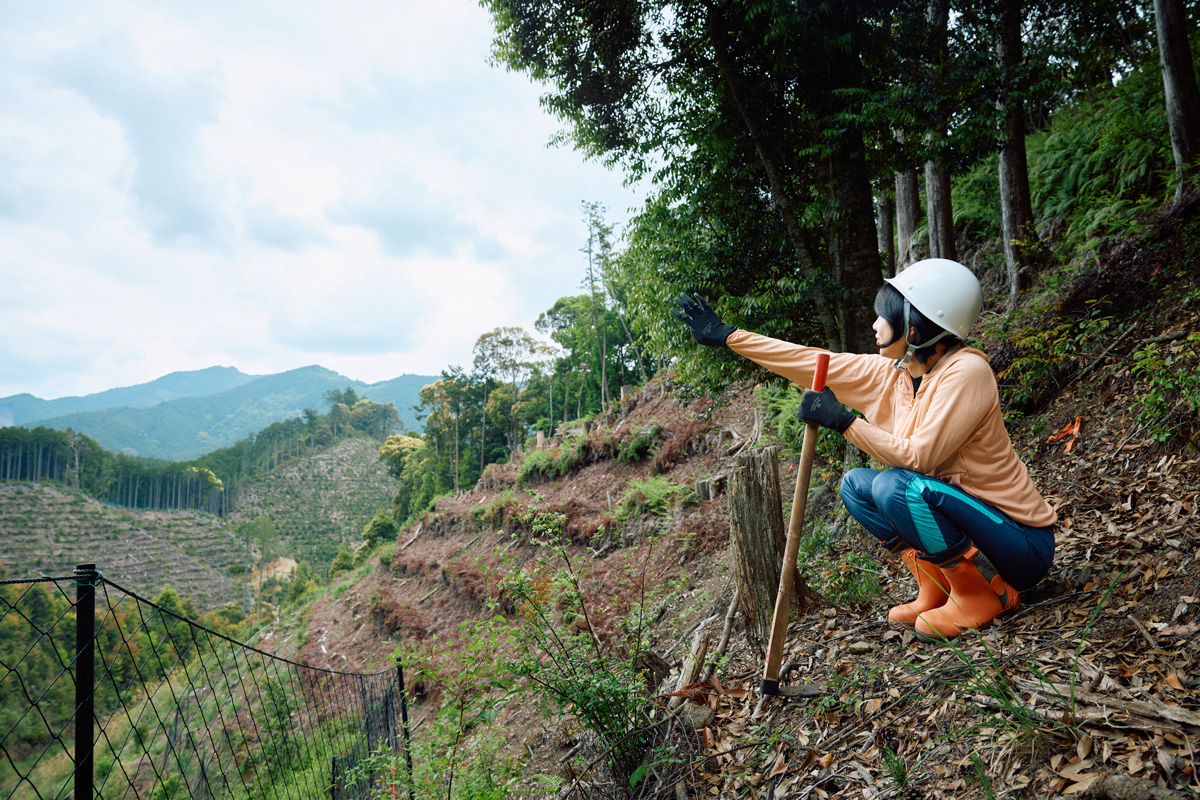
Okugawa: Mainly mountains in Wakayama. A tree doctor who was a former prefectural government employee introduced me to many foresters I should meet in Wakayama. He also told me that he would pass on his expertise and connections to me, so he has been both a teacher and a mentor to me.
MODRINAE is a project born out of business discussions among three people of the same generation, including myself and Creative Director Sairaiji. We tried crowdfunding, and it drew an overwhelming response. So, we founded a company and started our business in Tanabe City, where all the members relocated. Before the launch of MODRINAE, the tree doctor gave us advice on everything, including how to make the project work and how to grow seedlings successfully.
Mr. Sairaiji, how did you feel when you spoke with Ms. Okugawa before joining the company?
Sairaiji: At the time, I was a freelance designer. When I heard the word “forestry” while my former classmates were working in the apparel and real estate industries, I thought it was an interesting field for her to pursue.
There seemed to be so many issues that it was not clear which one should be addressed first. I felt that this industry allows me to take on various challenges, so I decided to get on board.

Considerations Are Required for Mountain Ecosystems, Regional Cultures, and Economic Activities
What aspects do you take into consideration when planning afforestation?
Sairaiji: We basically plant trees in clear-cut areas, where no trees are growing after logging. When choosing trees to plant, it is important to consider whether they are suited to the local ecosystem. They should be native to the region, contribute to local industries, and be resistant to disasters. We always keep these three points in mind.
For example, Ubame oaks in Wakayama are used to produce Kishu Binchotan charcoal. It also helps prevent landslides because selection cutting of coppice trunks—leaving small branches to promote the growth of successor trees—is applied, so that not all parts of the tree are removed. This means that the tree varieties suitable for planting vary depending on the region.
Could you explain why landslide risk increases when there is no human intervention in the mountains?
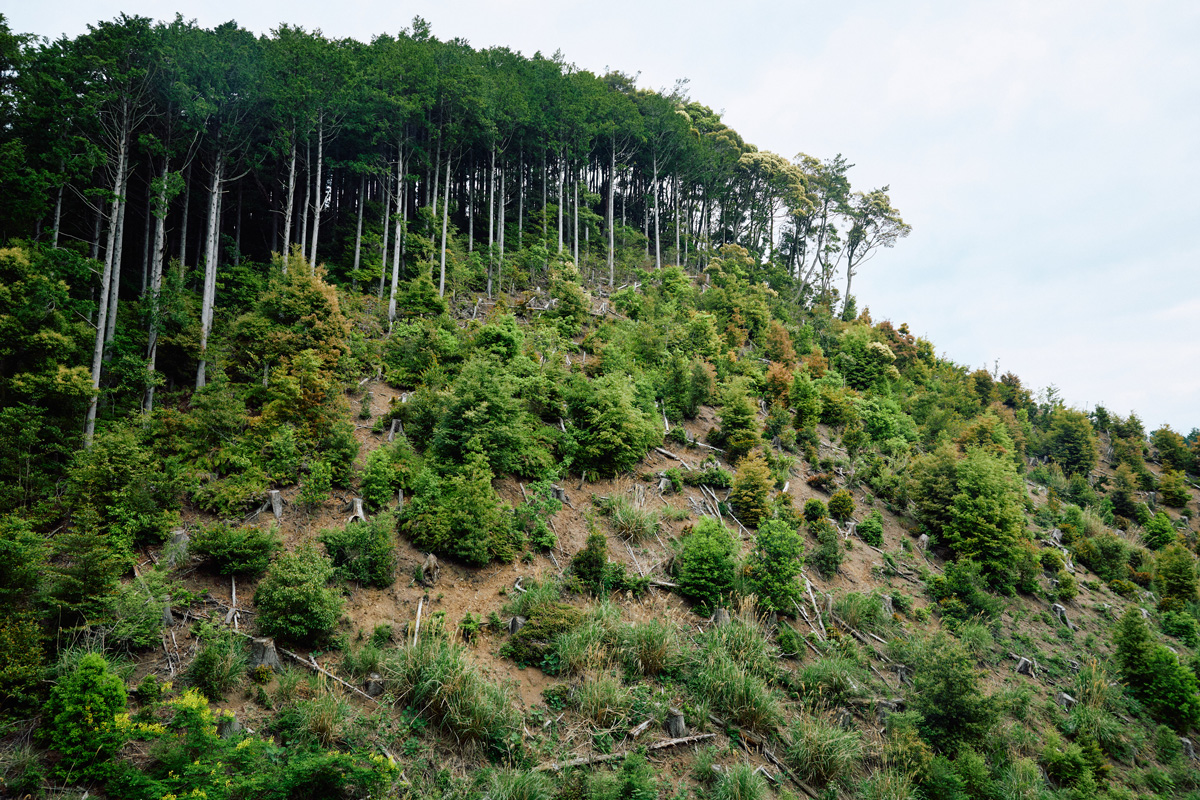
Okugawa: Among landslide disaster risks, there are ones that can be mitigated manually and those that cannot. For example, large-scale landslides, known as deep-seated landslides, are beyond our control because they are largely influenced by bedrock and rainfall. These disasters can be mitigated using dams. However, for shallow landslides, or surface collapse up to about three meters deep, the extent of the impact varies depending on the presence of trees.
If no trees are growing, rain falls directly on the ground, causing erosion and collapse. To reduce that risk, it is essential to replant trees in the mountains after logging or to perform selective thinning to promote the growth of other trees.
How long does it take for afforestation to prevent shallow landslides?
Okugawa: The risk is said to remain high for about 10 years even after trees are replanted immediately after logging. From a disaster prevention perspective, it is recommended to cut only the necessary number of trees appropriately. However, sudden changes in the logging method may also affect the livelihoods of foresters. Therefore, it is important to maintain a balance between industrial economies and nature conservation.
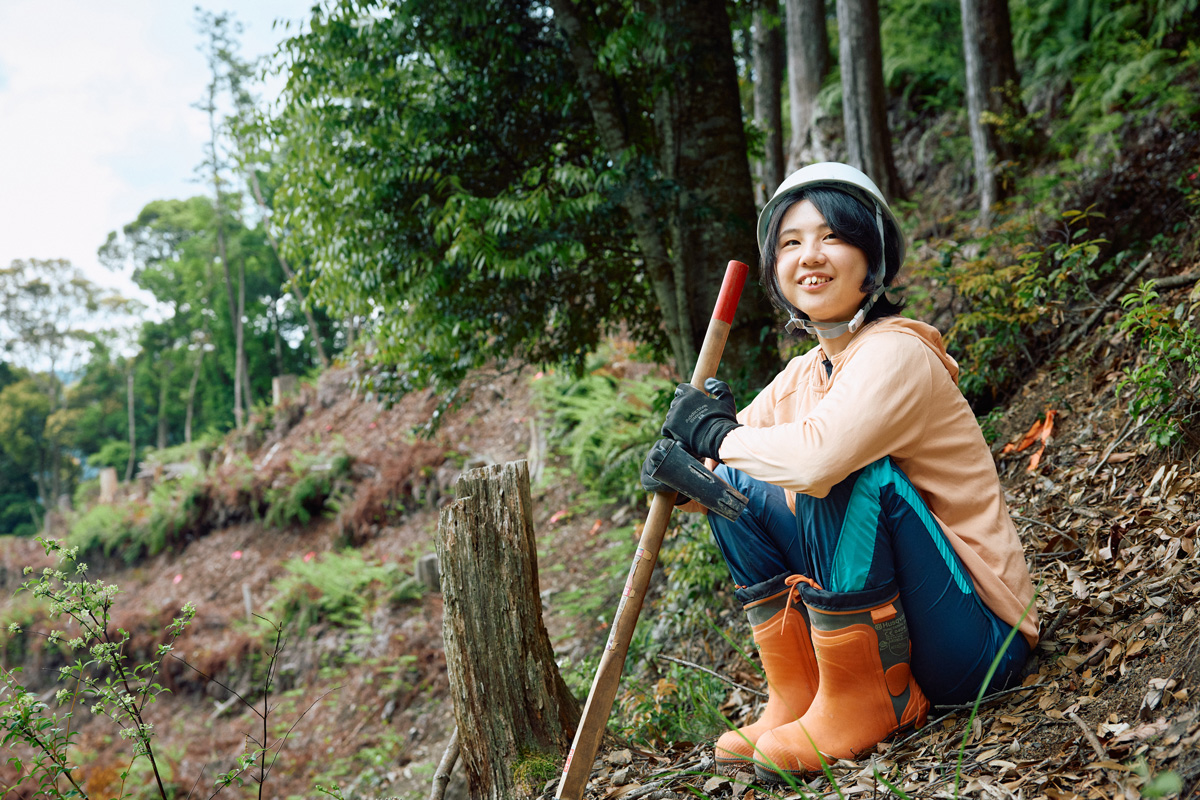
Cutting and selling only large-diameter trees used to be profitable, but unit prices have fallen so low that this method is no longer economically viable. As a result, cutting all the trees in a single plot of land has become common in Wakayama. This requires replanting trees on cleared plots of land, but afforestation is currently carried out manually. The work is physically demanding, so many people are unwilling to do it. Some are increasingly choosing to let the land regenerate naturally without replanting. However, this approach often prevents trees from growing well and ultimately leads to a higher risk of disasters. That is why we plant trees instead.
That said, the area is too large for us to plant the entire site. We therefore basically cover areas that foresters cannot plant themselves.
Aiming to Encourage Behavioral and Mindset Changes for Deeper Disaster Prevention
Ms. Okugawa, you experienced a disaster when you were 15, but people tend to forget such events over time. How do you think people can remain aware of these social issues?
Okugawa: When I founded Somanobase, I also worked for an NPO focusing on landslide countermeasures. I visited regions outside Wakayama that are prone to landslides and held public meetings to encourage proper evacuation. However, few people attended the meeting, even in a region whose neighboring town had been flooded the day before.
Simply telling such people that disaster prevention is important does not change their mindset. We need to offer something enjoyable or delicious that incorporates themes of disaster prevention or forests. In that sense, MODRINAE is the perfect service.
Sairaiji: I think the scope of interest should be narrowed down depending on the individuals. For example, my sister lives in Thailand, and I became more interested in disaster prevention when an earthquake occurred there the other day. In this way, disaster issues should be considered from an individual perspective. I hope people will become interested in mountains, starting with thinking about what the tree they have grown will eventually become.
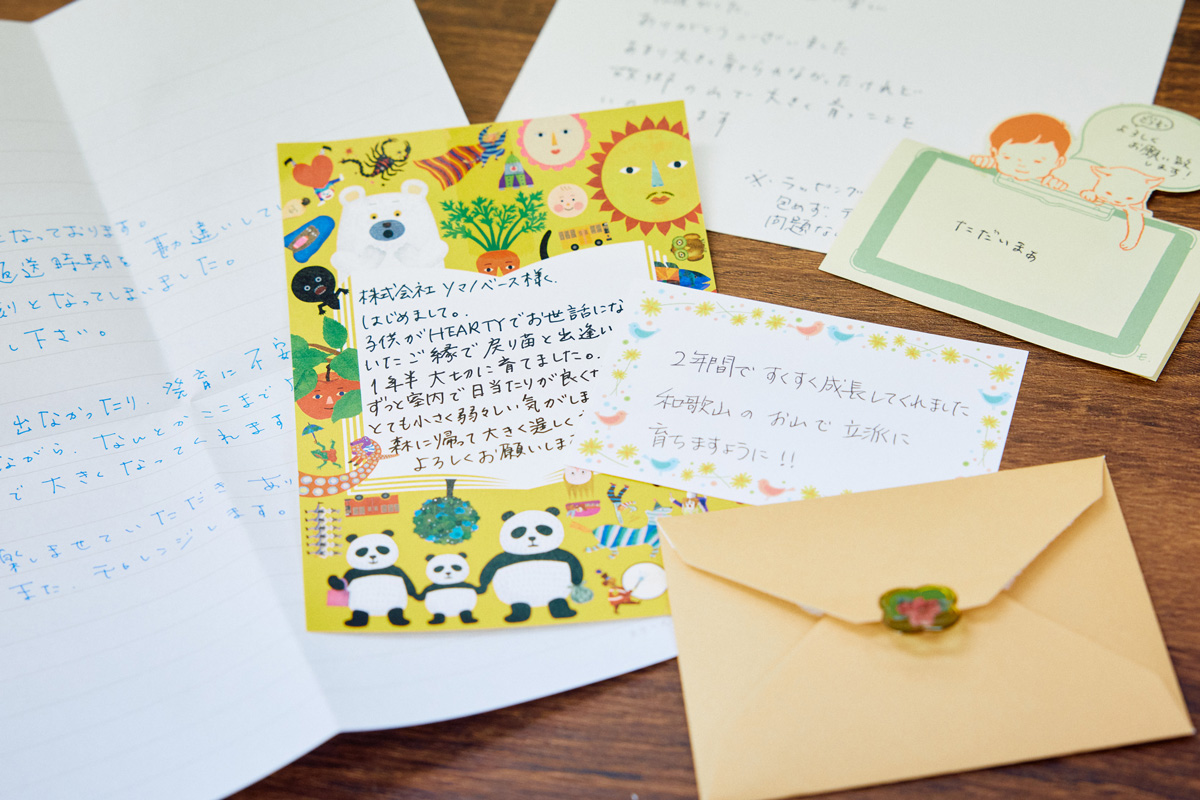
Okugawa: Each customer grows their own tree, so when it dies, they feel sad, and when it is returned to the mountains, they feel happy. Imagining their own seedlings being planted in the mountains of Wakayama makes them more aware of those mountains. It may begin with simply returning the seedlings they have grown to us. Then they might visit the mountains of Wakayama, after that plant seedlings there with their own hands, and eventually even live there. I hope MODRINAE can serve as an opportunity to deepen their relationship with Wakayama.
Regarding a forestry labor shortage, it is important to improve the industry gradually by helping new people enter a business that has traditionally been passed down through generations within families. I would be pleased if MODRINAE contributes to the increase in the number of foresters.
What are Somanobase’s future plans?
Okugawa: Disaster prevention is our top priority. To provide a wider range of options for achieving that goal, we would like to expand our activities beyond Wakayama Prefecture. While we aim to enable people in any region to engage with mountains, the means to do so are limited. We hope to increase options by sharing information on the forestry industry.
Sairaiji: I would like to create a village as part of the MODRINAE project. It is an accessible place where people can casually drop in, live, and work in the mountains whenever they wish.
That approach could help increase the number of people engaged in forestry.
Okugawa: Everyone is connected to mountains in some way. If the MODRINAE community is established, deeper disaster prevention activities may be possible by raising overall awareness of disaster prevention. What we can do now is to inspire people to change their behavior and mindset.
This article was written based on an interview conducted on May 15, 2025.
(Posted on July 30, 2025)
 DISCOVER MORE

