 Asia - Japan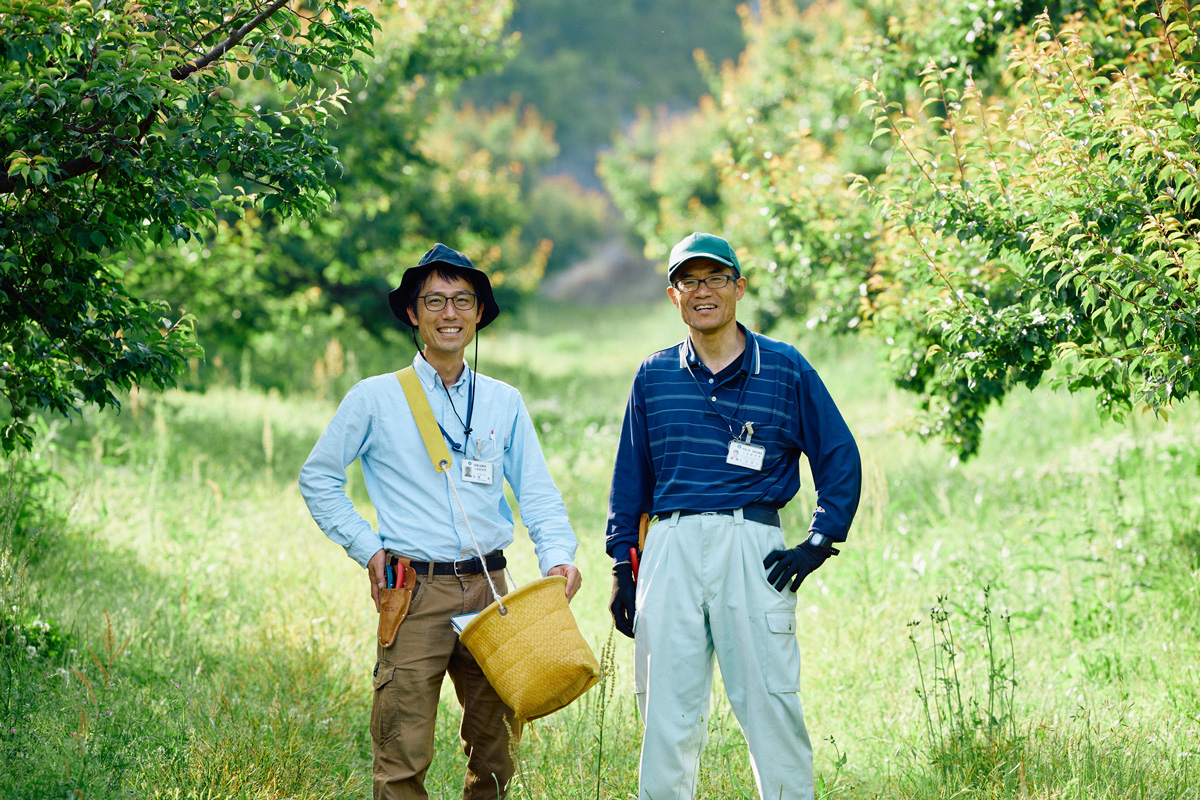
| Date of interview | May 14, 2025 |
|---|---|
| Interviewee | ・Yasuhisa Tsuchida, Deputy Director with Ph.D. (Agriculture), Ume Research Laboratory, Fruit Tree Experiment Station, Wakayama Research Center of Agriculture, Forestry, and Fisheries ・Hikaru Tajima, Senior Researcher, Ume Research Laboratory, Fruit Tree Experiment Station, Wakayama Research Center of Agriculture, Forestry, and Fisheries |
Research and Technological Development to Prevent Poor Harvests Caused by Warm Winters
Why is plum cultivation popular in Wakayama Prefecture?
Tsuchida: In the early years of the Edo period (1603–1868), Ando Naotsugu—the first lord of the Kii-Tanabe Domain, who governed this area—encouraged people to cultivate plums, which can be grown even in areas with many steep slope mountains and poor soils. He promoted the policy of granting tax exemptions to plum producers, leading to the spread of cultivation.
Plum cultivation expanded further after the Meiji period (1868–1912). Pickled plums became popular as nonperishable food during the First Sino-Japanese War, the Russo-Japanese War, and the Pacific War. Due to an amendment to the Liquor Tax Act in the 30s of the Showa period (1926–1989), after World War II, it became legal to make plum wine at home. In the 50s of the Showa period, a healthy food trend began, and pickled plums sweetened with honey were developed. Boosted by these promotions, the number of plum orchards increased, making Wakayama the largest producer in Japan.
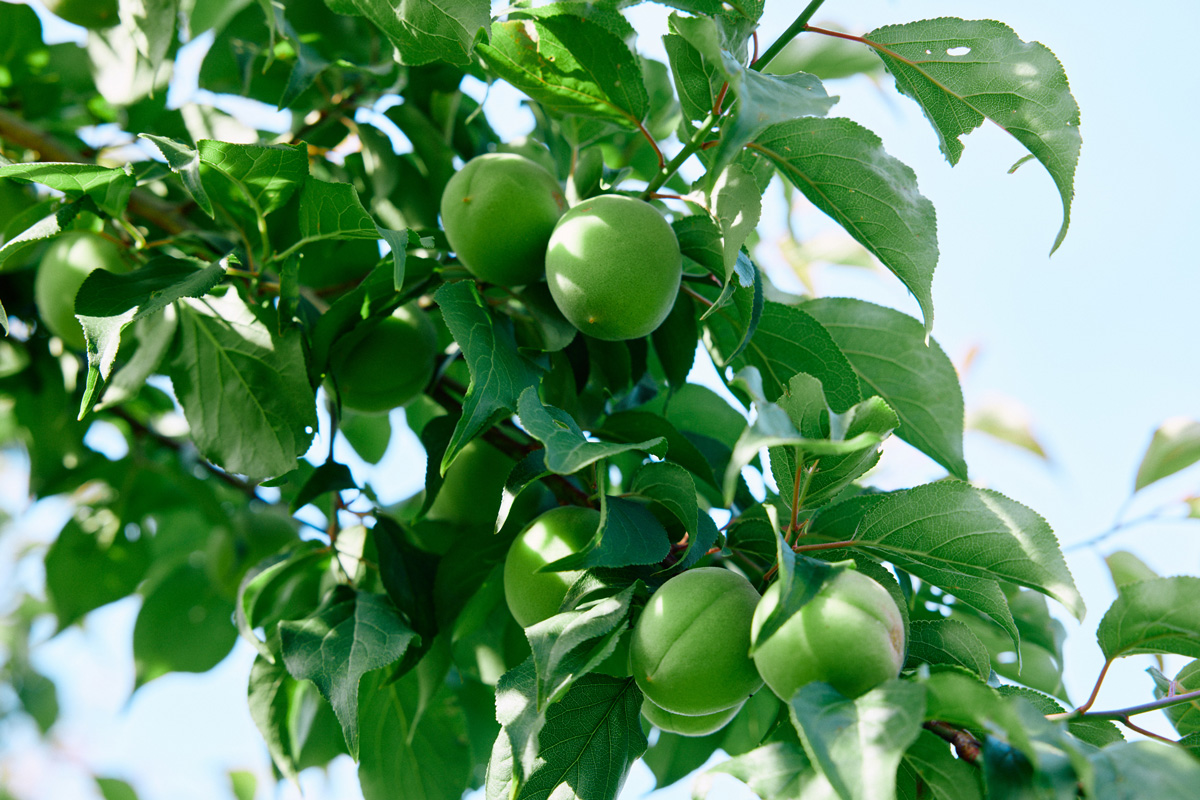
Wakayama currently accounts for about 60 percent of plum production in Japan, remaining in the top spot for 60 consecutive years. About 80 percent of the varieties cultivated in the prefecture are Nanko, the main variety. Due to its large size and soft, thick pulp, it is suitable for both pickled plums and plum wine, gaining popularity as a brand.
Please tell us about the details of the Ume Research Laboratory.
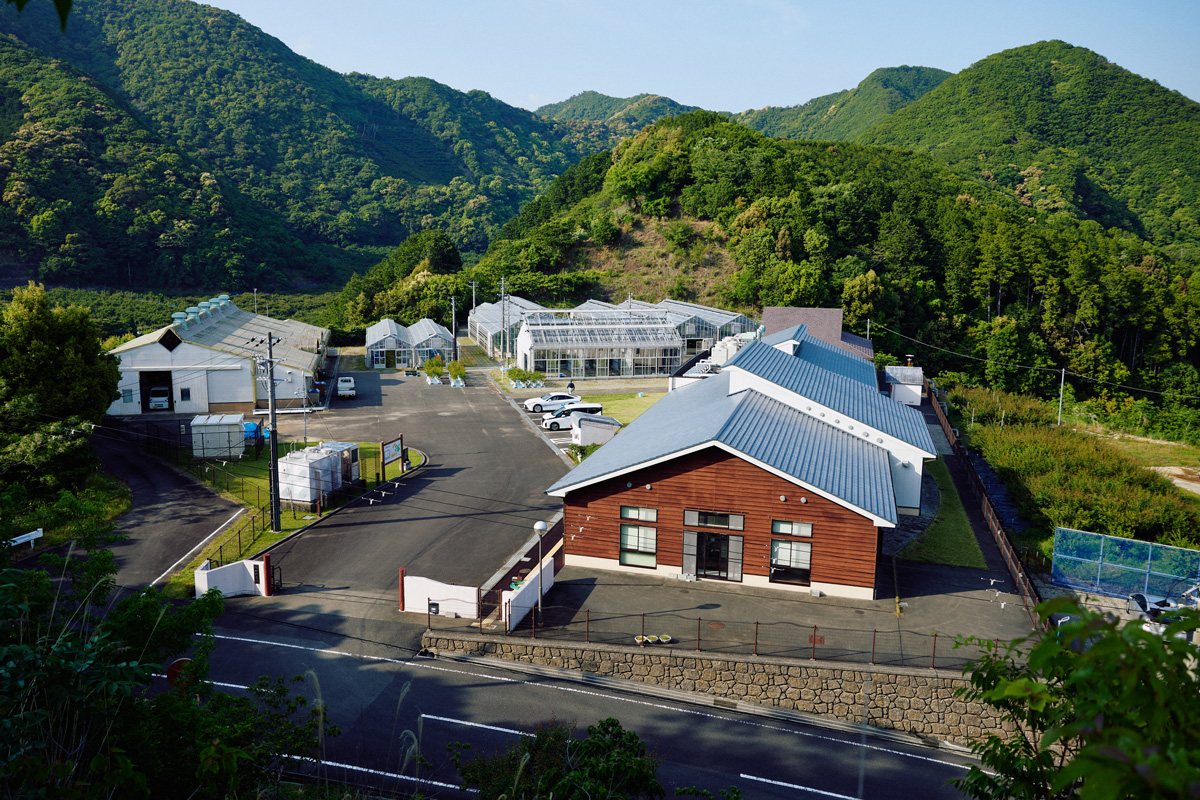
Tsuchida: This is Japan’s only research laboratory specializing in plums, established in 2004. We have conducted a wide range of development, from fundamental research on plum cultivation to field application technologies.
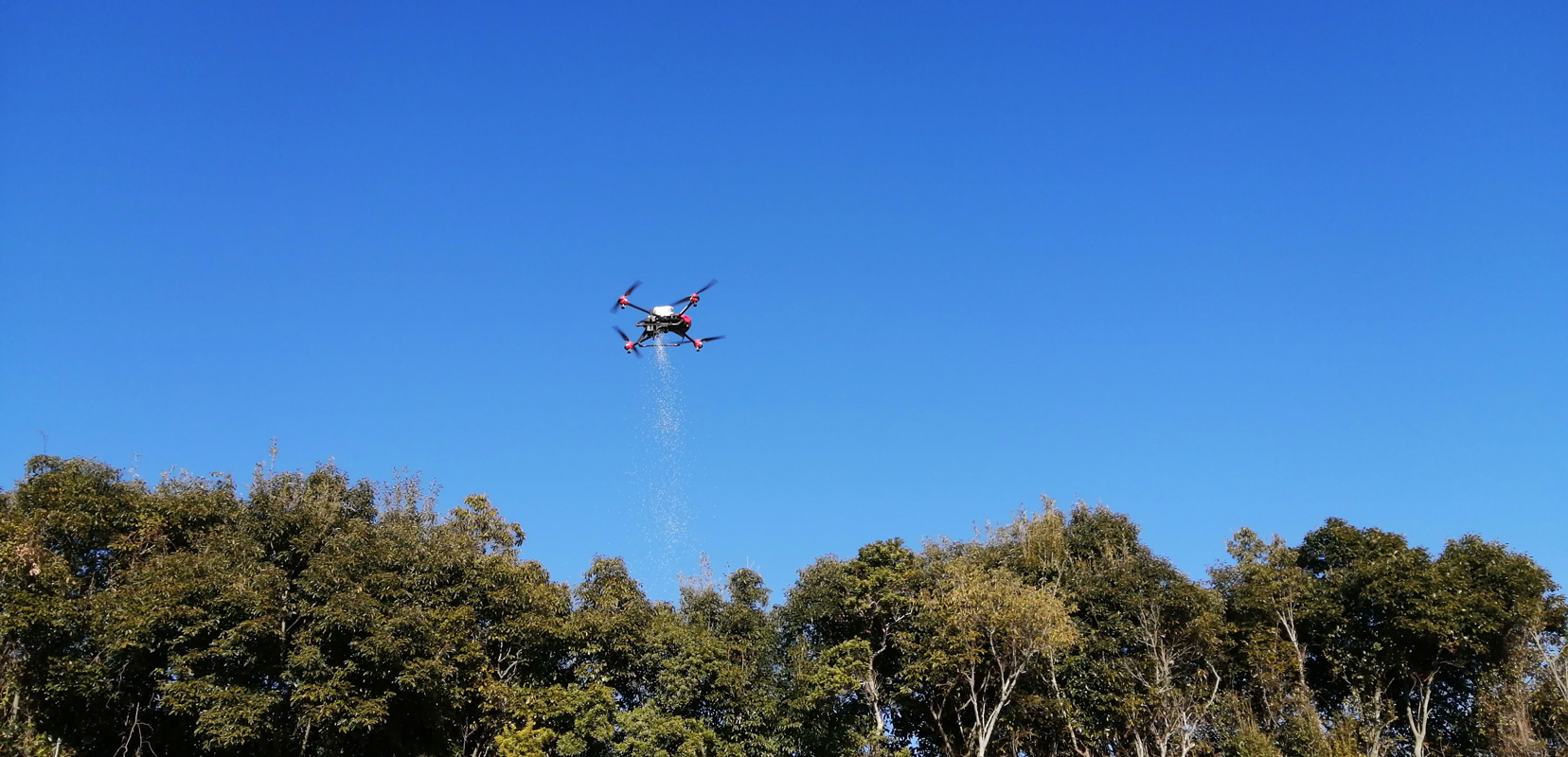
We have four research policies. The first is to develop technologies for stable production. Technologies such as effective spraying of agrochemicals and fertilizers using drones are being developed. Due to their characteristics, plums produce many imperfect flowers without pistils when they bloom earlier than usual under high winter temperatures. This often causes flowers not to be pollinated, failing to bear fruit. To address the issue, we are exploring ways to prevent poor harvests even during warm winters.
The second is to develop new varieties. Due to climate change, poor harvests of Nanko have become frequent in recent years, so we are developing new varieties that can be produced stably. In addition, because about 80 percent of plums produced in Wakayama are Nanko, we have worked on developing varieties that can be harvested at different times from Nanko to distribute the workload during the harvest season, and studying varieties that are less susceptible to pests and diseases, such as the black spot disease and the shot hole disease.
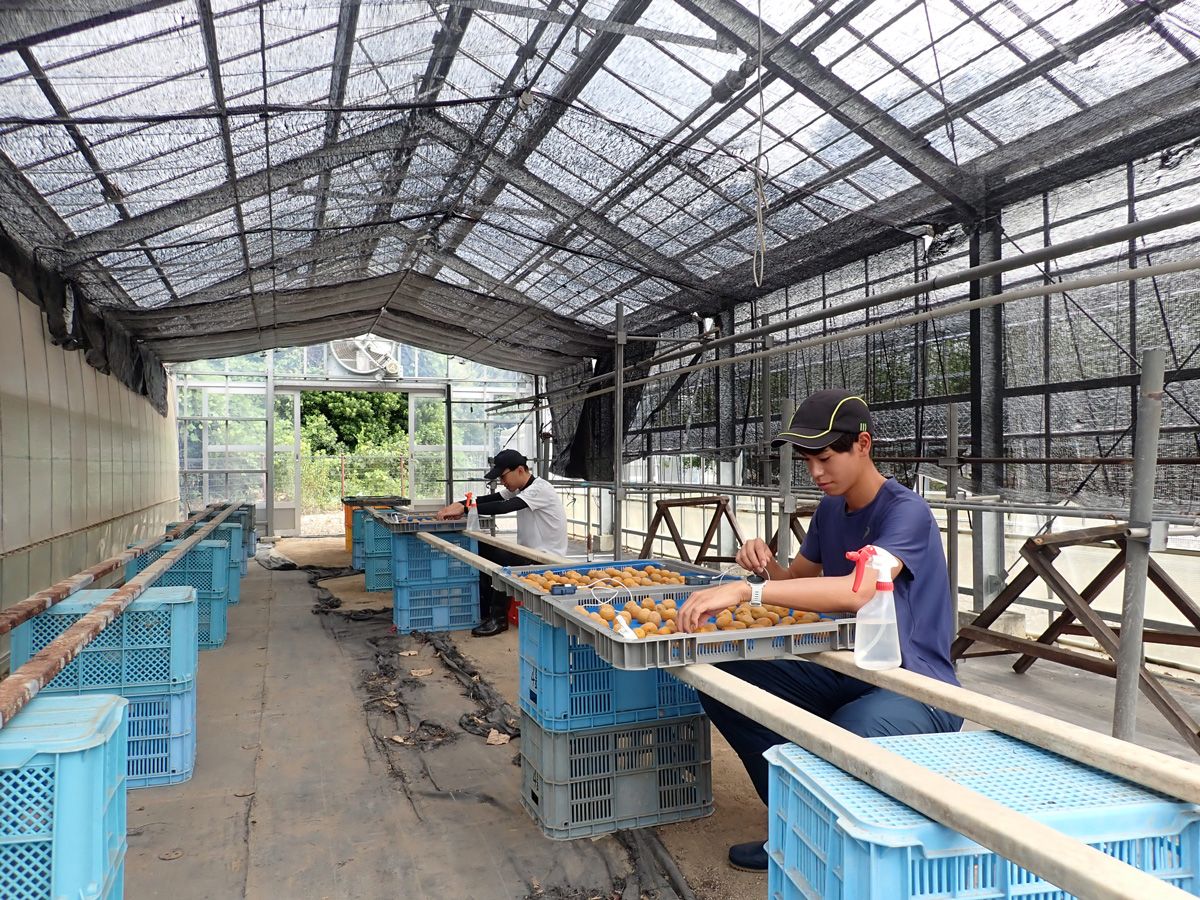
The third is to develop processing technologies. After harvest, producers salt the plums and then dry them in the sun during the summer to make pickled plums. Recently, however, the midsummer sun has become more intense, damaging the fruit’s appearance and resulting in sunburned fruit. We are developing technologies to mitigate this effect as well.
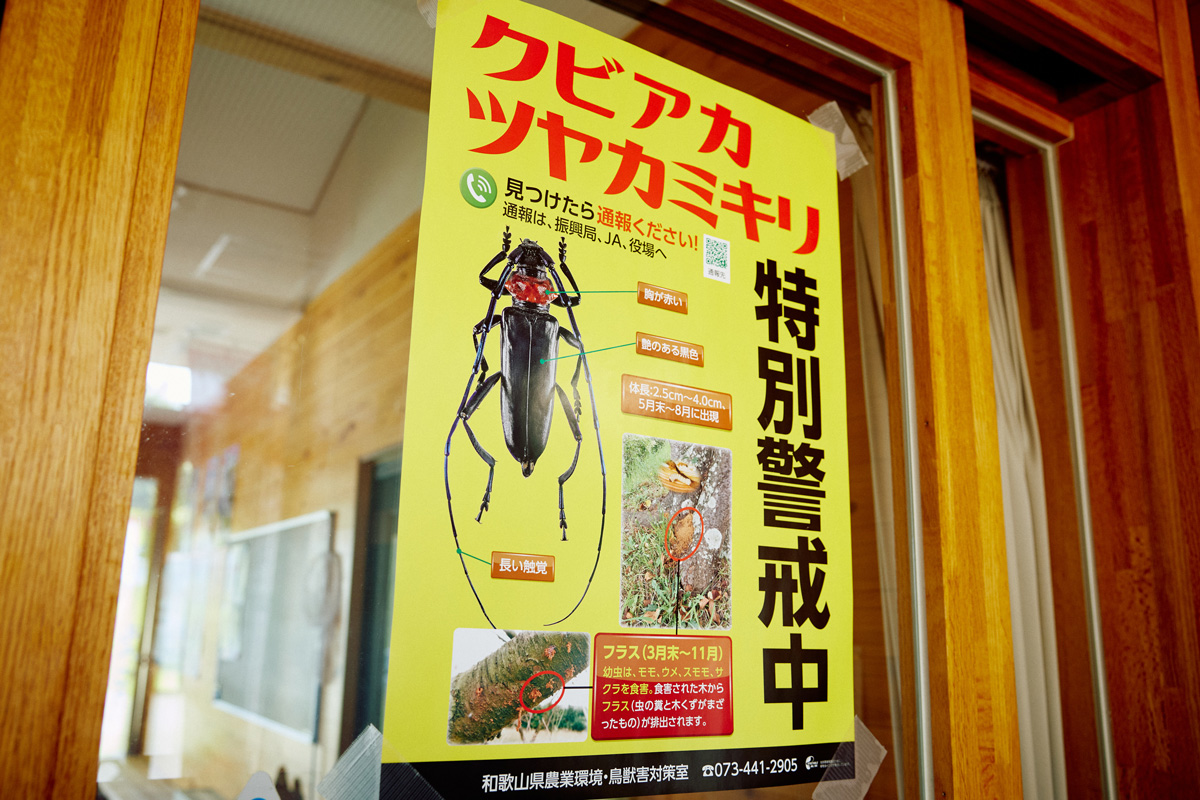
The fourth is to develop technologies to protect against pests and diseases. In recent years, we have been mainly working on technology that effectively combats the red-necked longhorn beetle, a major threat to plum orchards. Its larvae bore into the tree and, in the worst-case scenario, can kill it.
How was the harvest this year?
Tsuchida: It was not good. Nanko is a self-incompatible variety, which cannot fertilize itself and therefore requires pollen from other varieties. The pollen is carried by honey bees, which fly actively and pollinate on warm, windless, and rain-free days during the flowering period. However, temperatures were low during that period this year, accompanied by rain and strong winds, which did not meet the conditions for bee activity. Moreover, hail fell four times, damaging approximately 60 percent of the plums at the farms in the research laboratory. The damage does not affect their taste, but it lowers their grade due to appearance.
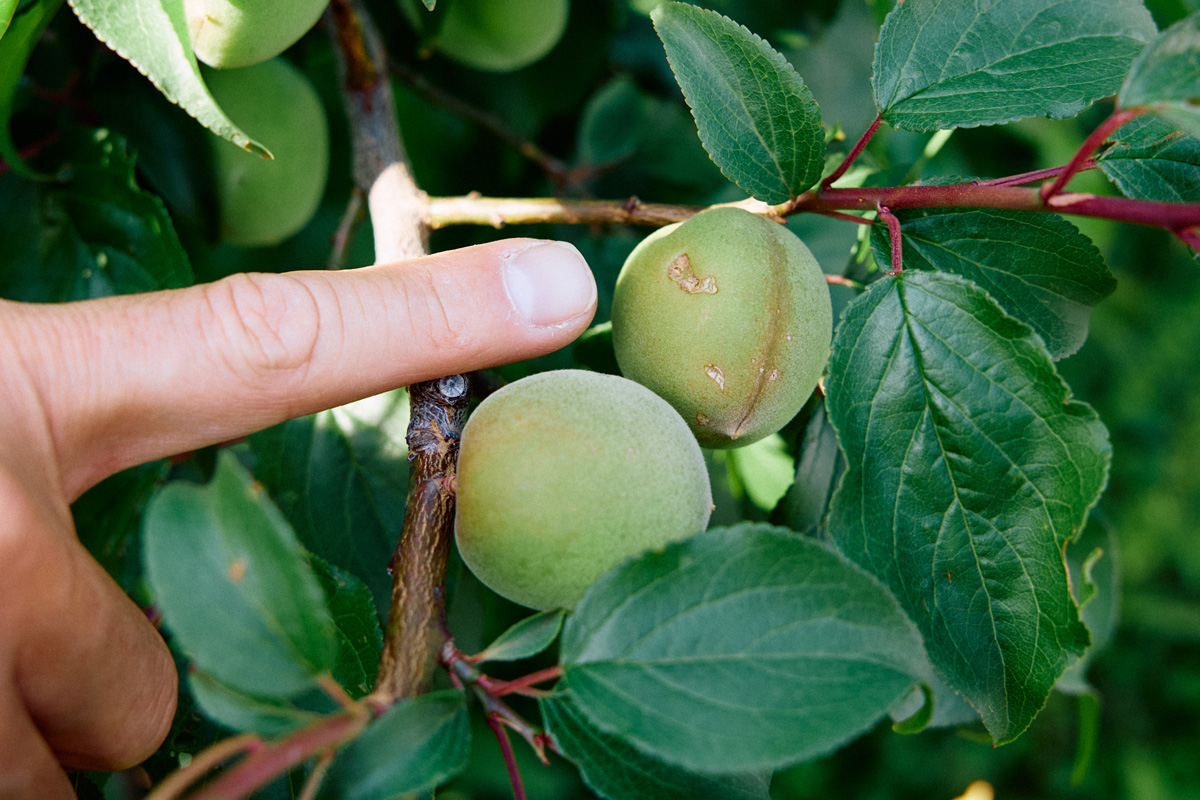
Last year also saw hail damage. The warm winter caused early blooming, and many flowers were imperfect, as mentioned earlier, leading to a poor harvest. We experienced disappointing results for two years in a row.
Variety Registration Requires at Least 10 Years of Repeated Planting, Fruiting, and Evaluation
How do you develop plum varieties?
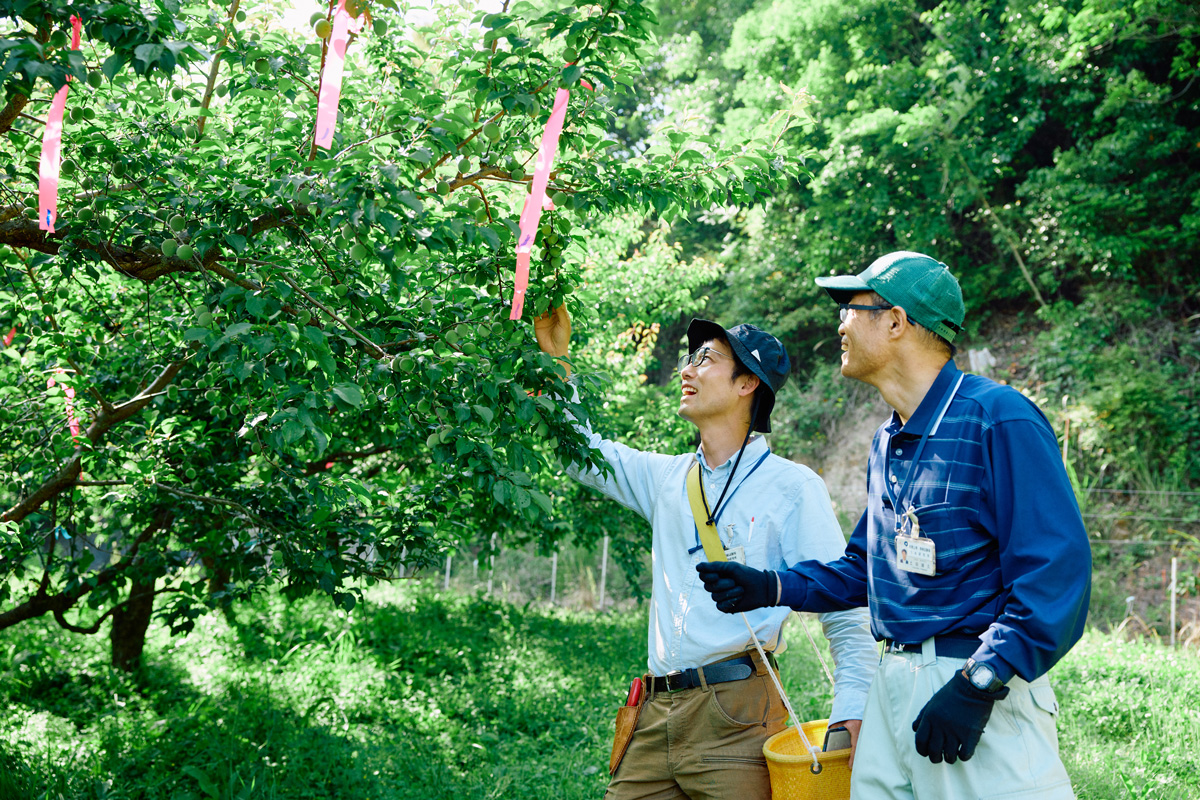
Tajima: When plum flowers bloom in February, we collect pollen from a variety for crossbreeding, perform artificial pollination, and mark the flowers with tape. If artificial pollination succeeds, the flowers develop into fruit. We mark them with a magic marker so that we can keep count and collect seeds from fallen fruit.
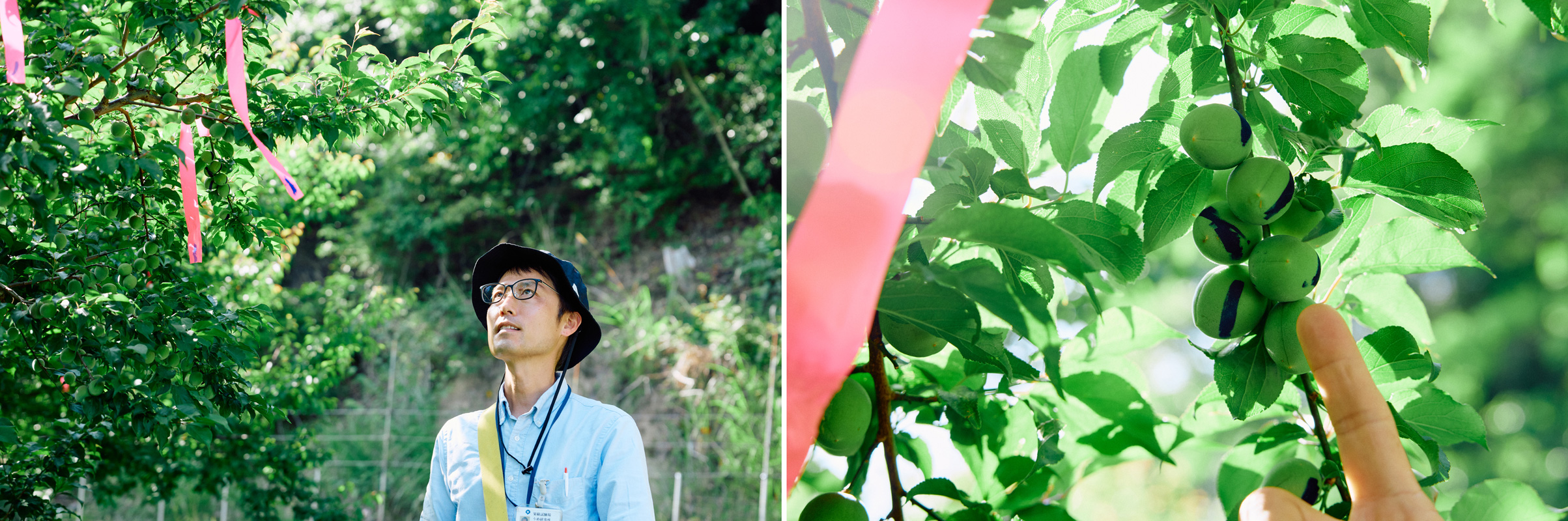
These candidate hybrid varieties are planted at firms in the research laboratory, and their seedlings are referred to as hybrid seedlings. We grow the seedlings, let them bear fruit, evaluate the resulting fruit, and select the superior varieties.
What are the parent selection criteria?
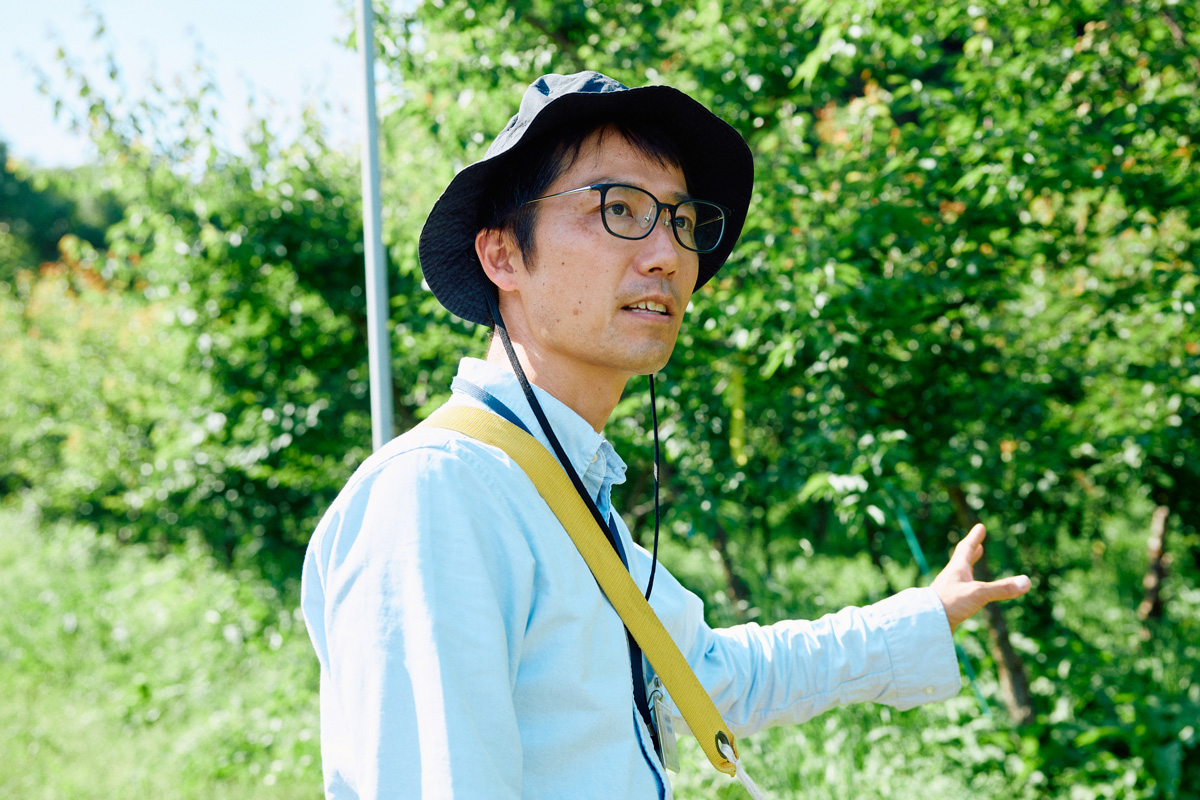
Tajima: Basically, we look at the quality. Another aspect is whether the variety has at least one strong characteristic. One example is Suiko, a variety with good fragrance. It gives off a distinctive aroma and has a good flavor when made into syrup. By crossbreeding Suiko with Nanko, we can aim to develop a variety that has an excellent aroma while having Nanko’s characteristics of large size and soft, thick pulp.
Niao from Taiwan can set fruit stably even during warm winters. However, due to its small fruit size and large seed size, it is not considered a superior plum variety. That is why we hybridized Niao and Nanko to produce a variety that is heat-resistant while retaining Nanko’s characteristics, but it resulted in a relatively small fruit size and large seed size. Now, we are attempting to crossbreed it with another individual containing Nanko.
Superior parents do not necessarily produce superior varieties, do they?
Tajima: This applies to all fruit trees. If the fruit is too small, it is not suitable for commercial cultivation, and it will mostly not be developed into a variety. Even if both parents are superior, the resulting hybrid seedlings are still a mix, so their characteristics are unpredictable. For this reason, we carefully select varieties based on thorough evaluation, including their maturation period.
Tsuchida: Bearing good fruit is not the end of the process. We then collect seeds from the fruit and sow them. When they grow and bear fruit, we select superior individuals, if there are any, and attempt to register them as a new variety.
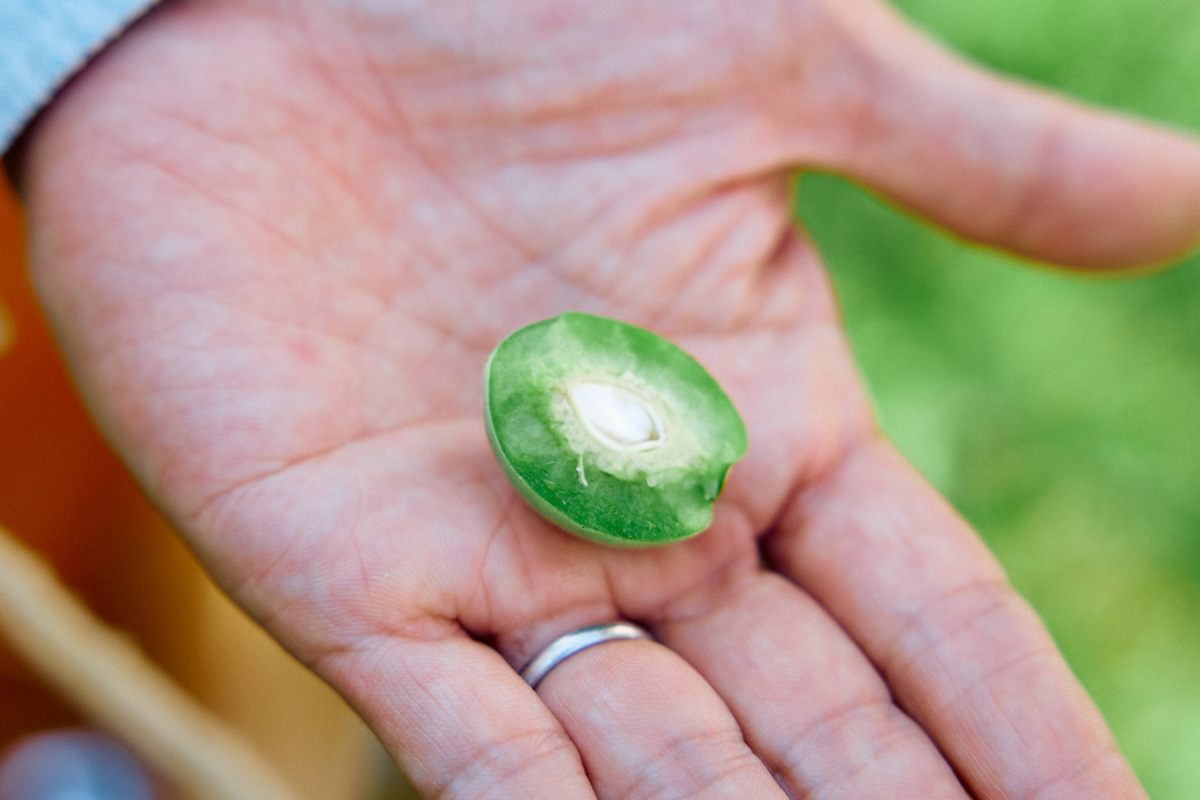
Evaluating fruit set is not the end of the process, but there is one more step.
Tajima: Even if there are 10 fruits from the same parents, all of the resulting hybrid seedlings are likely to have different characteristics. Using humans as an example, siblings have different faces. That is why we plant 10 seeds, grow them, and select the superior candidates.
The criteria for superior varieties vary depending on the specific target, such as whether the fruit meets a certain size – for example, 25 g – whether the harvest season does not overlap with that of Nanko, or whether the fruit is colorful.
Tsuchida: It takes at least 10 years on average, as the process includes growth, fruition, and evaluation. After determining whether the fruit can maintain the same characteristics over the years, the variety is registered.
It seems to take a considerable amount of time. Have any varieties been registered in recent years?
Tajima: Seishu was registered in 2021 as a variety designed to prevent poor harvests during warm winters. Seishu is a self-compatible variety, meaning it can fertilize itself with its own pollen. This eliminates the need for honey bee hives for pollen transfer and nearby pollinator trees. Because this variety can self-pollinate, there is no need to worry about poor harvests during warm winters, as mentioned previously, and the absence of honey bees. Although its grade and size are lower than those of Nanko, Seishu bears fruit even under severe conditions, tastes delicious, and ensures good yields and stable production, which makes it considered a superior variety.
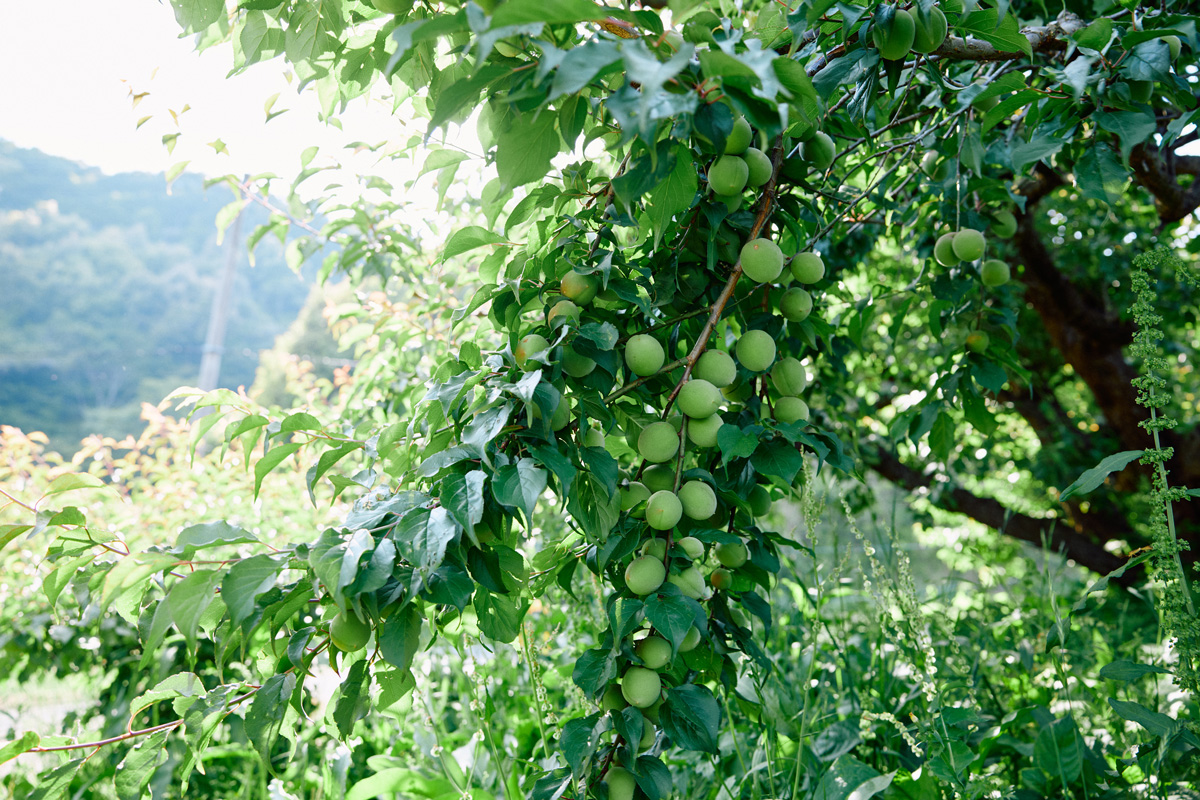
What is more, Seishu blooms around almost the same time as Nanko and produces pollen. As a result, many people purchase Seishu as pollinator trees for Nanko.
Tsuchida: It is not easy to produce brands that challenge Nanko’s dominance, but if Nanko continues to suffer poor harvests due to repeated warm winters, varieties such as Seishu will be welcomed as alternatives.
Tajima: There is another approach to variety development. Although last year saw a poor harvest due to a warm winter, we received about 30 reports from Nanko orchards that there was only one tree bearing fruit in the fields. To confirm this, we visited the sites. It was true that such a tree existed, although adjacent trees did not bear fruit. Thus, we have started selecting candidates from this superior kind of Nanko tree since 2024.
We are now carrying out two main initiatives: developing new varieties and selecting high-quality Nanko for stable production.
Contributing to Increased Plum Consumption While Spreading New Varieties and Technologies
Do you find any difficulty in spreading new varieties?
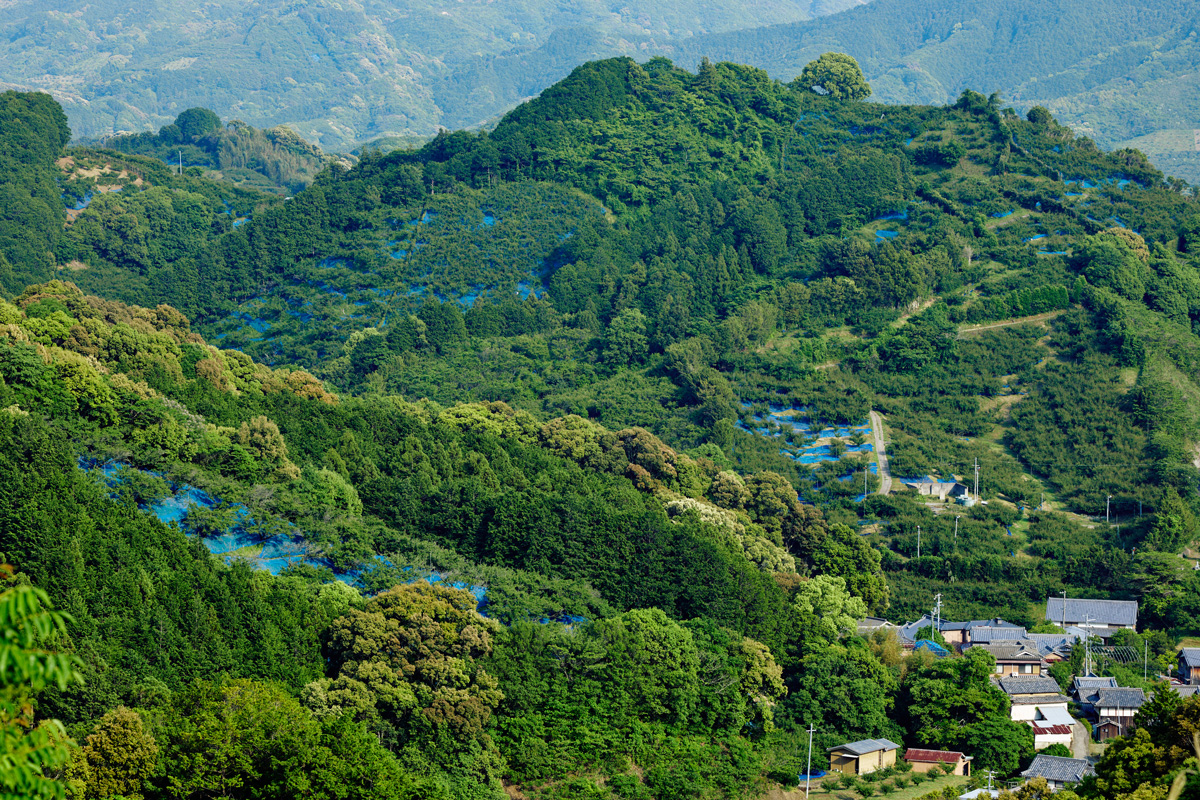
Tajima: Because plums are fruit trees, it takes at least two decades for us to grow them after planting. Due to a lack of successors, seedlings have not been replanted on some farms even after more than 20 years.
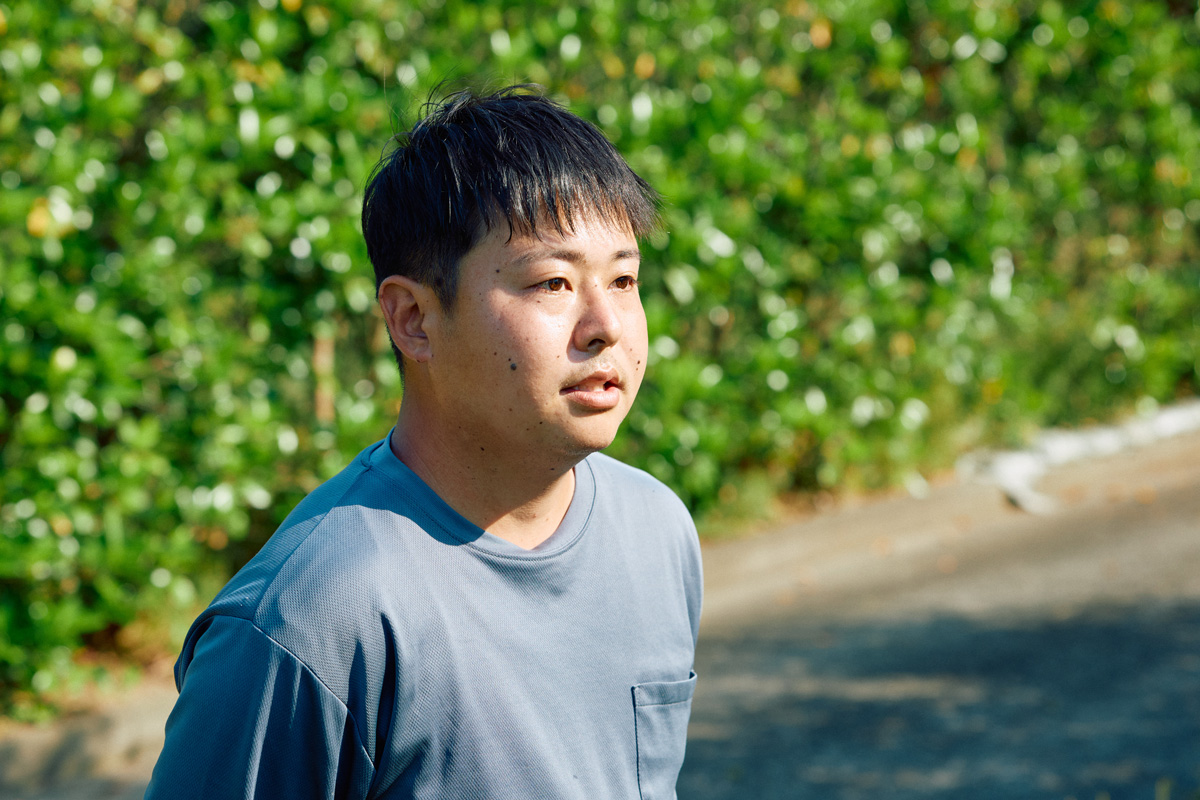
Seishu is a registered variety, but still has such low name recognition that it is not yet widely known among most producers. Even if they are aware of it, many may not be motivated to adopt new varieties or technologies. Therefore, promoting new varieties and technologies while ensuring their easy adoption would be challenging.
Are you working on anything specific to address the issue?
Tajima: Because simply developing technologies and varieties at the Ume Research Laboratory alone does not lead to their widespread adoption, we are working to promote activities in collaboration with specialist instructors from local agencies in Wakayama.
Similarly, while collaborating with agricultural instructors from farmers’ cooperatives, we aim to gradually focus on propagation. To achieve this, we are proposing various plans, such as establishing a demonstration farm in each region so that producers can see the results firsthand.
What do you find most rewarding about this job?
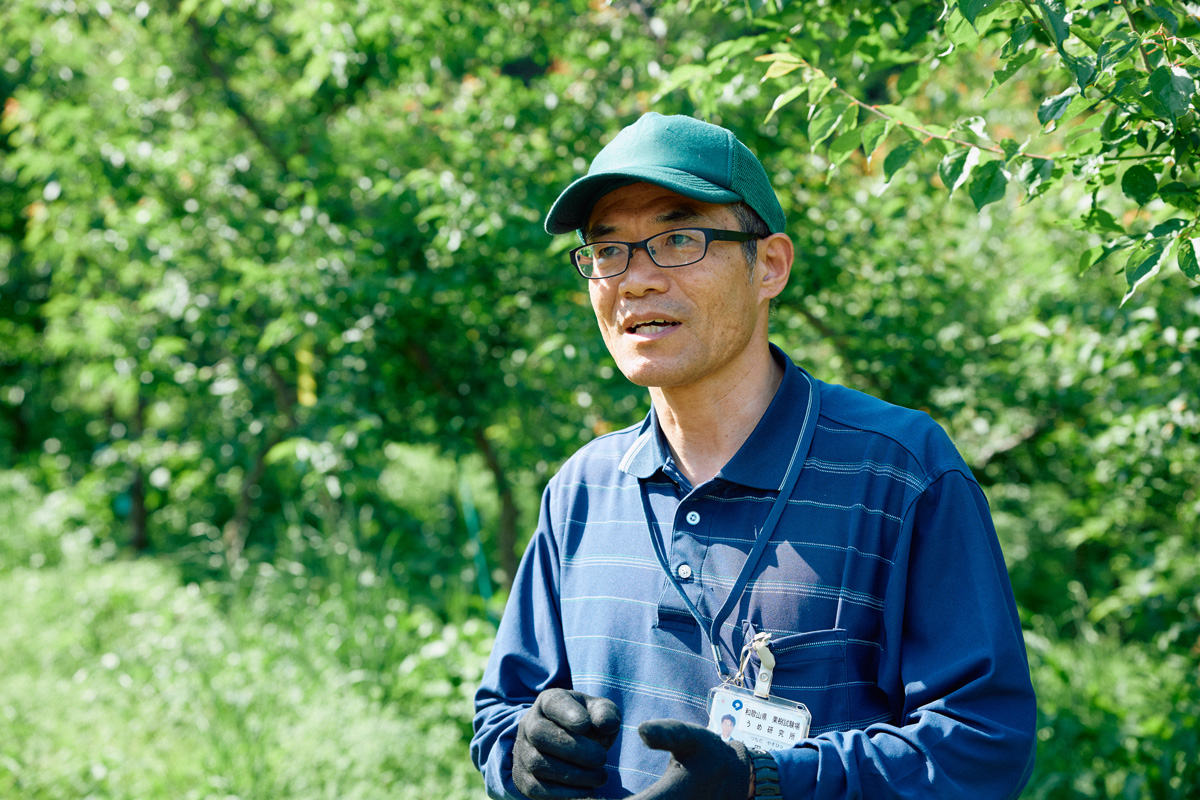
Tsuchida: This is Japan’s only plum research laboratory, which means all of our efforts are the first in Japan. When these efforts bear fruit and we share the research results with producers, I find it truly rewarding.
Tajima: It has been only three years since I was assigned to the Ume Research Laboratory, so I have not been involved in variety development or technology propagation for so long. I imagine that once varieties and technologies are widely adopted, hearing from producers—such as “yields are increasing” and “workloads have been reduced”—would be rewarding.
As Japan’s only plum research institute, do you receive inquiries from other prefectures?
Tsuchida: We are sometimes asked about cultivation methods by parties outside Wakayama, and we consult with them as much as possible. Some even visit us for on-site observation.
Do you have a message for consumers?
Tajima: Last year and this year, our green plums were damaged by hail, so some damaged fruit ended up on the market. You may occasionally see such plums at supermarkets, but there are no quality issues at all, whether they are made into syrup or plum wine. Please feel confident purchasing them.
In addition, another issue is that plum consumption has been stagnating. While there has been an increase in the number of pickled vegetable products, such as kimchi, in the same category, I am wondering how many people eat pickled plums every day. I think plum consumption has been declining, partly due to the low-salt trend. Personally, I hope consumers will proactively come up with ideas and explore new ways to use plums—such as in cooking or as seasonings—to incorporate plums into everyday life.
This article was written based on an interview conducted on May 14, 2025.
(Posted on July 14, 2025)
 DISCOVER MORE

