 Asia - Japan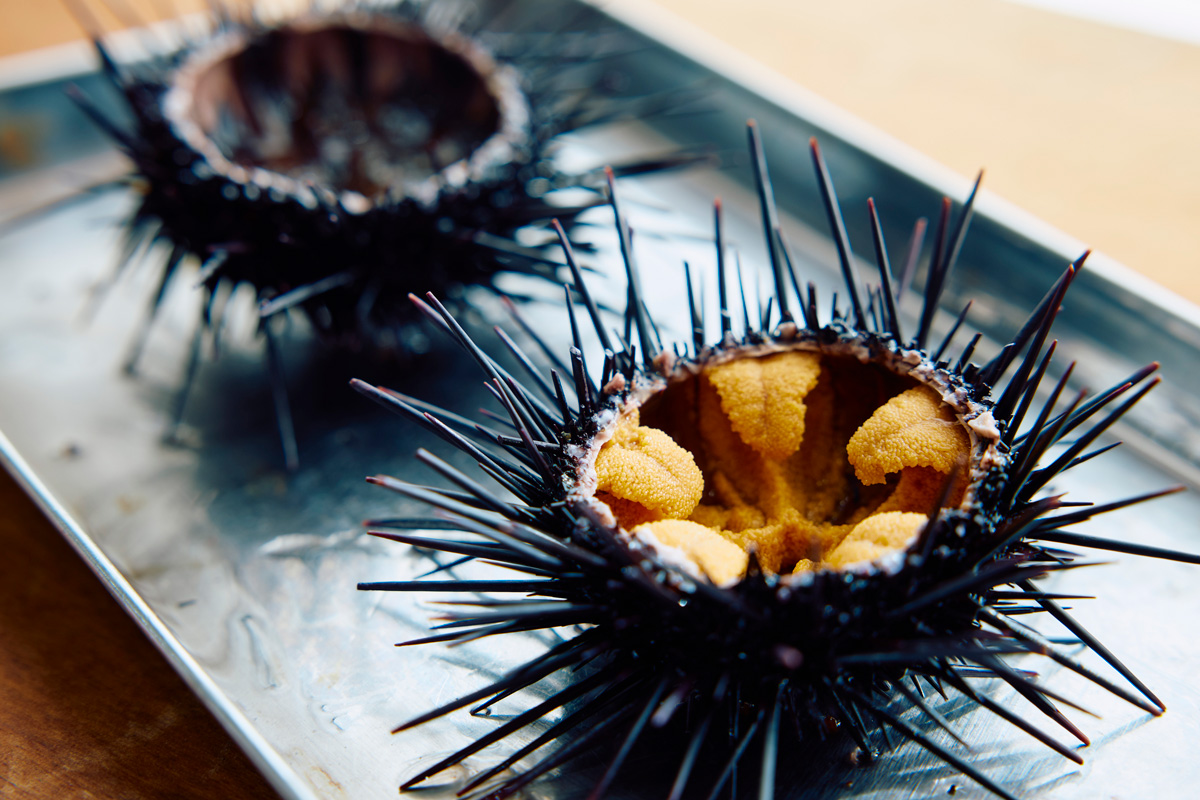
| Date of interview | November 28, 2024 |
|---|---|
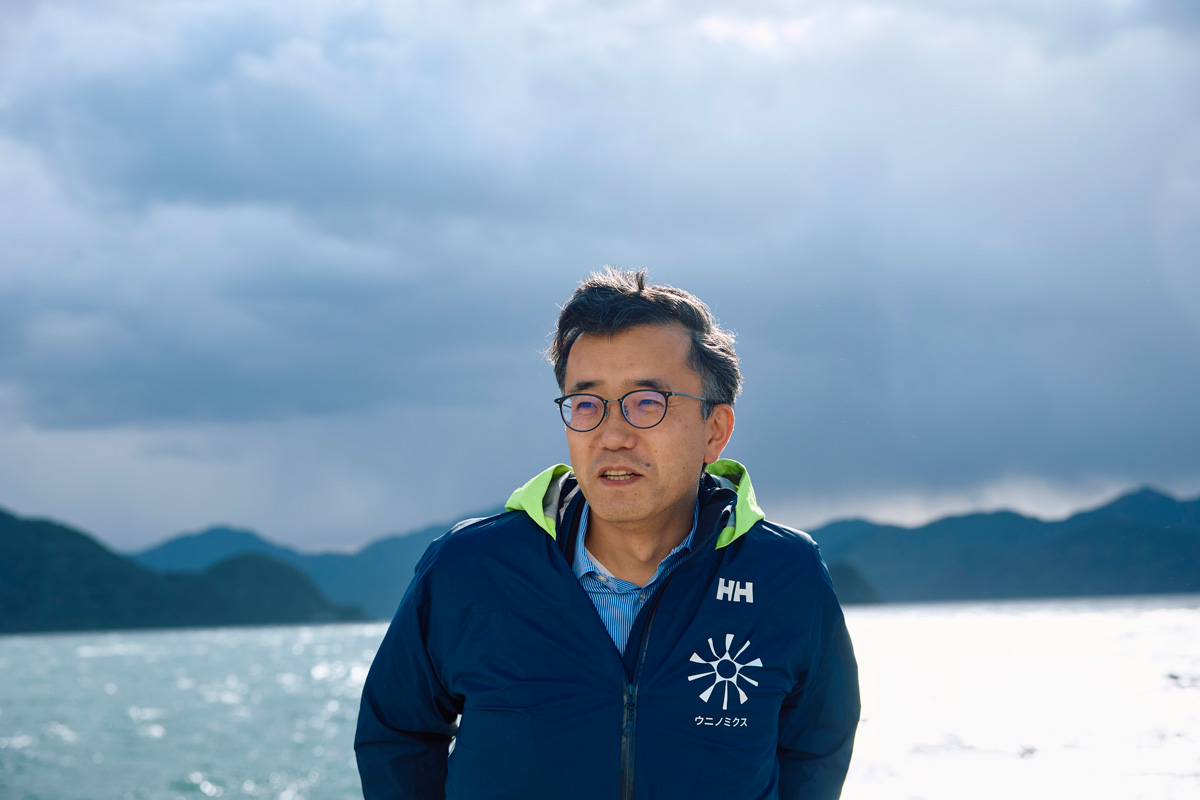
| Interviewee | ・Shintaro Ishida, Representative Director & CEO, Urchinomics JapanUrchinomics and KK KAYOI UNI BASE ・Carlos Toshihiro Yamamoto, Operation, Quality, & Engineering Director, Urchinomics JapanUrchinomics ・Takahiro Yoshimi, Manager of Processing & Procurement, Sales, and General Affairs, KK KAYOI UNI BASE |
Launching Initiatives on Isoyake in Japan in Response to the Great East Japan Earthquake
What kind of company is Urchinomics?
Ishida: We are farming sea urchins, which are a cause of isoyake—desertification of seabeds—achieving ideal taste within a short ranching period, and marketing them as a local specialty.
Headquartered in the U.K. and Ireland, Urchinomics Japan operates as the Japanese unit. After the Great East Japan Earthquake, Norway’s Ministry of Foreign Affairs invited fishermen from the disaster-stricken areas to Norway to show its advanced fishing industry. In this program, Brian Tsuyoshi Takeda, the founder of Urchinomics, became aware of the isoyake problem.
While looking for ways to address the problem, he learned that the Norwegian Institute of Food, Fisheries and Aquaculture Research (Nofima) has conducted research on sea urchin farming technology. He began experimenting with farming sea urchins—a cause of isoyake in Tohoku—using that technology on a trial basis, which eventually led to the founding of the company.
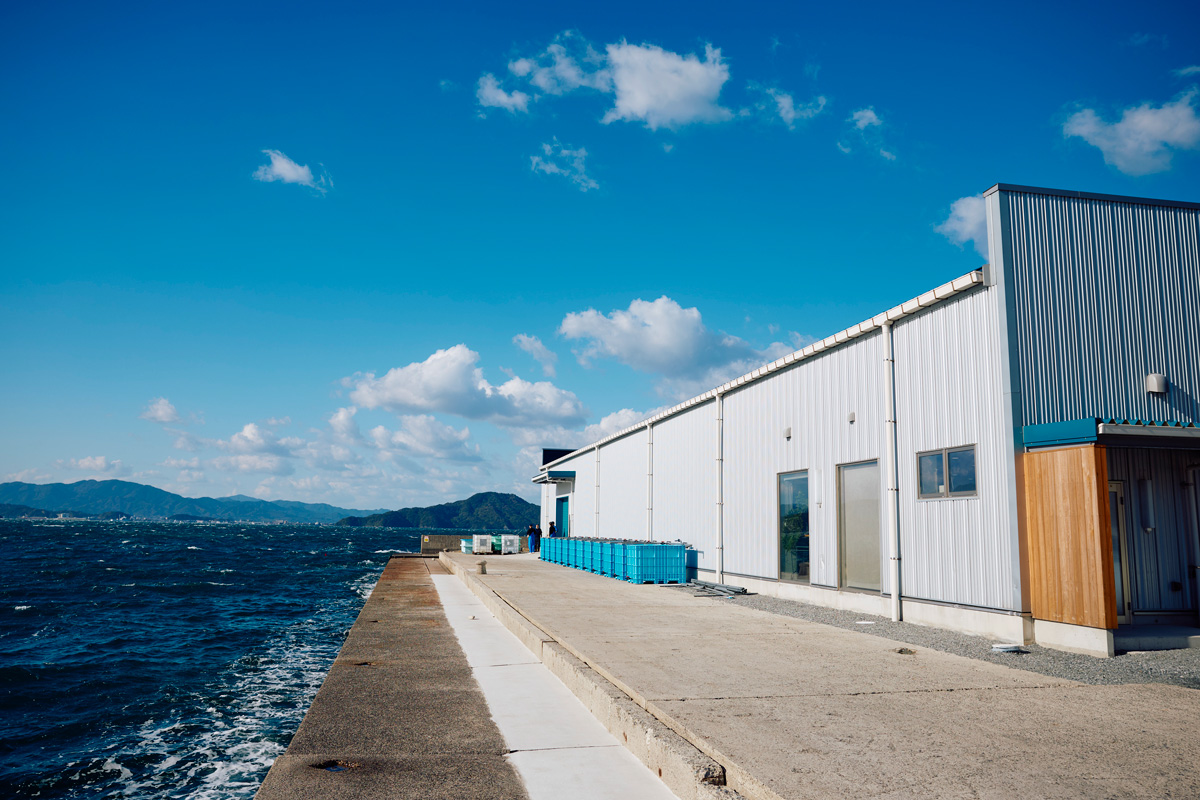
We are currently engaged in commercial activities only in Japan, although we are now building a commercial-scale factory on Canada’s East Coast and will soon obtain permission to build a factory in the U.S. The first factory was built in Kunisaki, Oita, in 2021, and the second factory in Nagato, Yamaguchi, in 2022, both of which deliver sea urchins daily.
Regarding the construction of the factory in Nagato, we happened to meet Nagato-based Maruyama Suisan Co., Ltd., a company with a history of over 150 years and intentions to revitalize its local sea, at an exhibition in Osaka. That is where it all started, leading to the construction of two sea urchin farming facilities after verification testing.
This year, we launched the construction of a factory in Toyama and the second factory in Oita, Japan, and will start operations by midyear at the factory on Canada’s East Coast. We also have operational plans in New Zealand, Mexico, and Chile.
Isoyake is the disappearance of seaweed beds, partly caused by grazing damage from sea urchins. Global warming is said to be closely related.
Ishida: Seaweed beds are the basis of ocean ecosystems, where fish lay eggs, and small fish find food and shelter. Due to their high carbon dioxide absorption, they have also attracted attention as blue carbon.
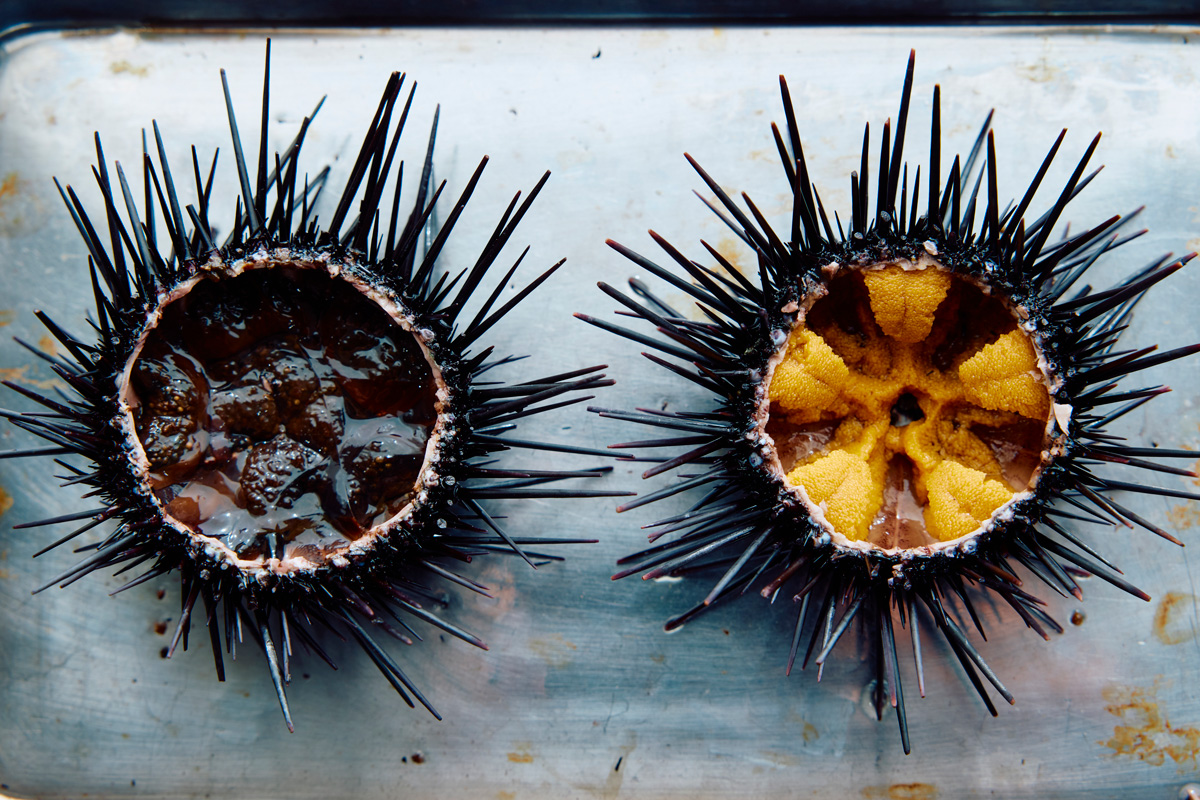
However, not only Japan but also the world is witnessing the disappearance of seaweed beds due to isoyake. One reason is the massive outbreak of sea urchins caused by rising water temperatures. They devour the seaweed they feed on, making it difficult for the seaweed to regrow. This results in seaweed shortages and an increase in starved sea urchins, which have no edible gonad inside their shells.
Reinvesting Profits to Continuously Face Challenges
How do you farm sea urchins?
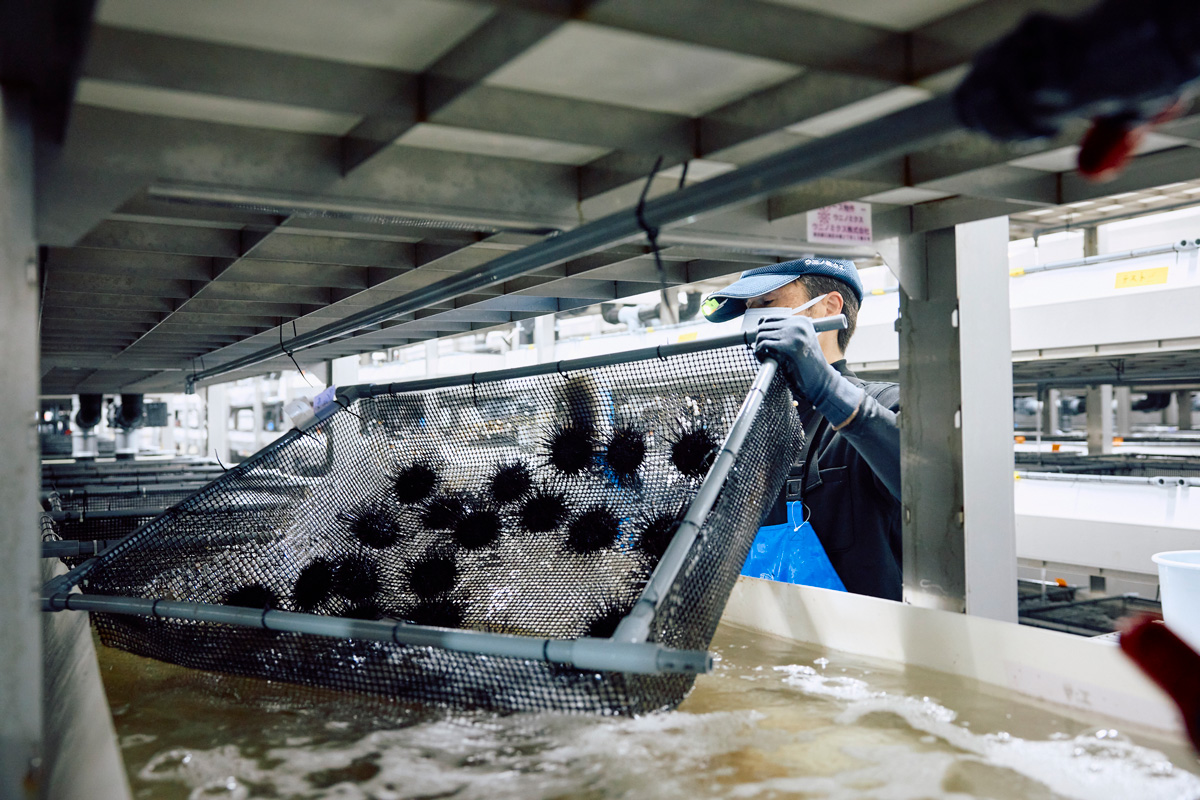
Ishida: We have fishermen catch starved, meatless sea urchins in the isoyake areas and purchase them. Then, we place the urchins in a controlled environment with water adjusted to the temperature and quality ideal for farming sea urchins, recirculating the contaminated water in a closed on land facility.
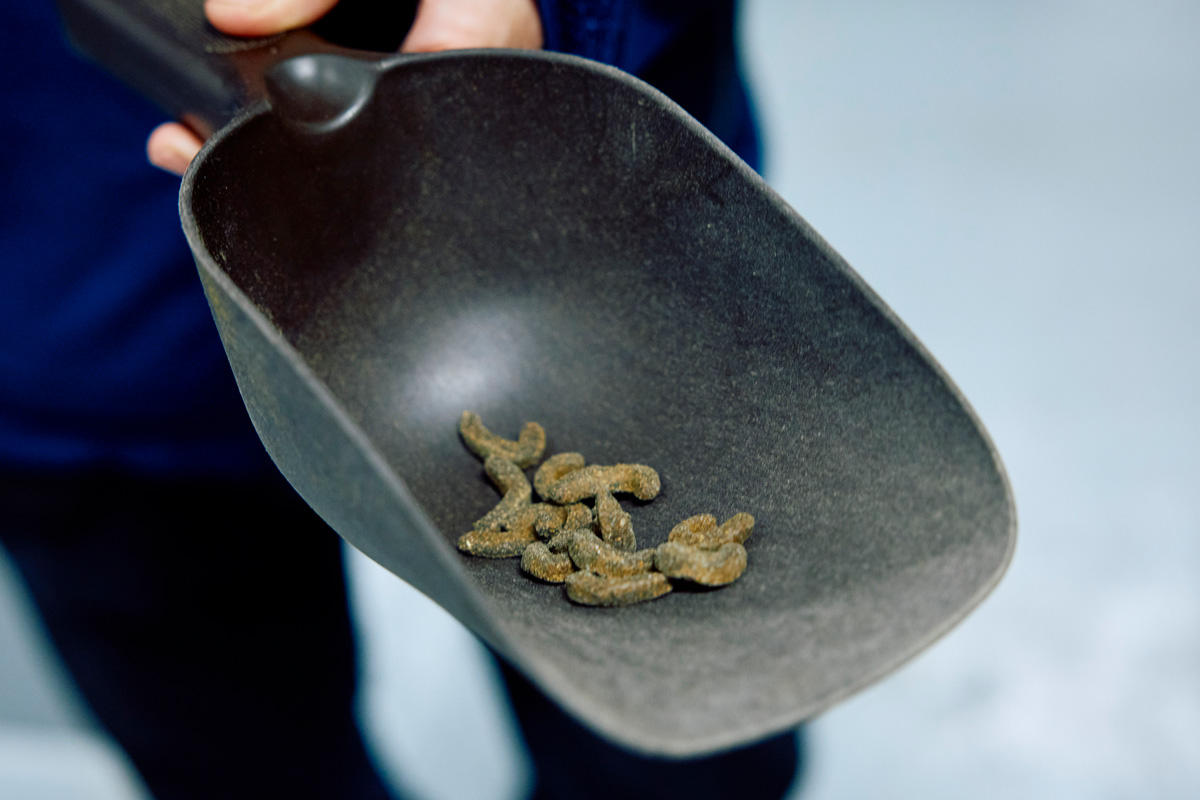
We also created a compound feed to be able to consistently ideally feed the urchins . This is part of sea urchin farming technology that has been studied by Nofima since the 1990s. We secured exclusive rights to use its research findings and improved the feed over several years to continuously produce high-quality, meaty sea urchins.
Depending on the sea urchin type, an empty urchin can fill with edible parts within 8 to 12 weeks and be ready for market. The main advantage is that the same quality sea urchins can be produced and shipped throughout the year.
This is a beneficial cycle that reduces the main cause of isoyake while allowing these sea urchins to be sold as products.
Ishida: The supply of sea urchins has fallen in recent years, and the volume handled has been steadily decreasing. By contrast, their unit prices at markets has been rising. Sea urchin supplies are decreasing, but the number of consumers are increasing. The overseas demand has also been growing due to the prolonged Japanese food boom, leading to higher unit prices.
We believe that environmental benefits cannot be achieved without the activity being economically viable. Fishermen catch sea urchins, we buy those urchins, farm, sell them, and then reinvest the profits. This allows us to conduct sustainable activities to solve the isoyake problem.
Following certification that seaweed beds restored by thinning sea urchins absorb CO2, we received J-Blue Credits, which are issued and managed by the Japan Blue Economy Association, for Oita and Yamaguchi in 2023. Our activities have also been recognized by the United Nations as initiative effective in achieving SDGs.
It also seems likely to contribute to regional revitalization.
Ishida: Nagato sea urchins are offered as return gifts under the furusato nozei tax donation system, and they are well recognized as a local brand.
The construction of the factory has also contributed to the creation of regular employment. Our plan is to start by building the first factory to farm sea urchins and sell them, closely monitoring sales and simultaneously strengthening our relationship with the local community. Based on that progress, we aim to gradually expand by increasing the number of factories to two and then three.
Because our process can be applied worldwide, we can gather knowledge from around the world and bring it into Japan, and conversely, share knowledge developed in Japan with the rest of the world. We aim to continue growing sustainably.
Benefiting All Stakeholders and Improving the Ocean Environment
With isoyake spreading across Japan, your approach of catching, farming, and selling sea urchins—one of its causes—may have been eye-opening for many people. What kind of reactions did you receive when you launched this new business in Japan?
Ishida: When we tested farming in Japan in 2014, everyone must have thought it was impossible. However, we won the National Fisheries Agency Director-General Award in 2017, marking a turning point that raised expectations on us.
We, too, have spent many years patiently accumulating expertise through continuous trial and error, including feed improvement.
What was the most challenging or rewarding part of your initiatives?
Ishida: We built a factory in Oita in 2021, during the COVID-19 pandemic. A completion ceremony was held, but the border closed shortly afterward. As a result, we were unable to bring engineers into Japan, even though most of the systems were imported from overseas. Since we had expected support from the construction up to the launch, this situation brought us many challenges. We relied on online communication tools, but it was sometimes difficult to assess conditions such as water quality through a screen, making things very challenging for staff and other stakeholders in Japan.
Meanwhile, what I found most gratifying were the reactions from customers. Hearing them say “They are delicious!” is truly rewarding. Our sea urchins are delivered to Michelin-starred sushi restaurants, Japanese cuisine restaurants, and Japanese inns, and being praised simply makes us happy.
Yoshimi: The fact that we have realized a system generating profit out of what were previously exterminated through subsidy by the government, makes us proud of the business model. I hope that people can see the value of this business, which can benefit all stakeholders while contributing to the recovery of the global environment.
Regarding the seaweed beds, we are happy to hear directly from fishermen that “they can see restoration little by little.” Amid declining populations in rural areas and shrinking industries due to aging, restoring seaweed beds and increasing the number of fish can help the next generation of fishermen enter the market. I am pleased to see that this could contribute to the revitalization of the primary industry.
Do you have any new challenges in mind?
Ishida: We would like to continue thinning sea urchins to restore an appropriate balance within the environment. We are sometimes asked what would happen if we non longer can procure empty sea urchins. However, we currently can transport sea urchins to our facility from areas accessible within five-hour truck ride. For example, if we build a large factory in Oita, we could procure sea urchins from the whole Kyushu region.
Once catching empty sea urchins restores balance to a fishing ground and eliminates isoyake, we just move on to another ground facing the same problem. We hope to address the issue by covering a larger area.
This article was written based on an interview conducted on November 28, 2024.
(Posted on May 20, 2025)
 DISCOVER MORE

