 Asia - Japan
| Date of interview | November 27, 2024 |
|---|---|
| Interviewee | ・Masayuki Fujikawa, Curator, Akiyoshi-dai Museum of Natural History ・Mari Ishida, Curator, Akiyoshi-dai Museum of Natural History |
A Scientific Field with Over 100 Years of History
What kinds of places are Akiyoshidai and Akiyoshido?
Fujikawa: Akiyoshidai was designated as a Quasi-National Park in 1955 and as a Special Natural Monument in 1964. As this park also includes a wetland registered under the Ramsar Convention, and the entire area of Mine City has been recognized as a Japan Geopark, it exists under complex circumstances—being legally recognized and restricted in various ways by both public and private sectors.
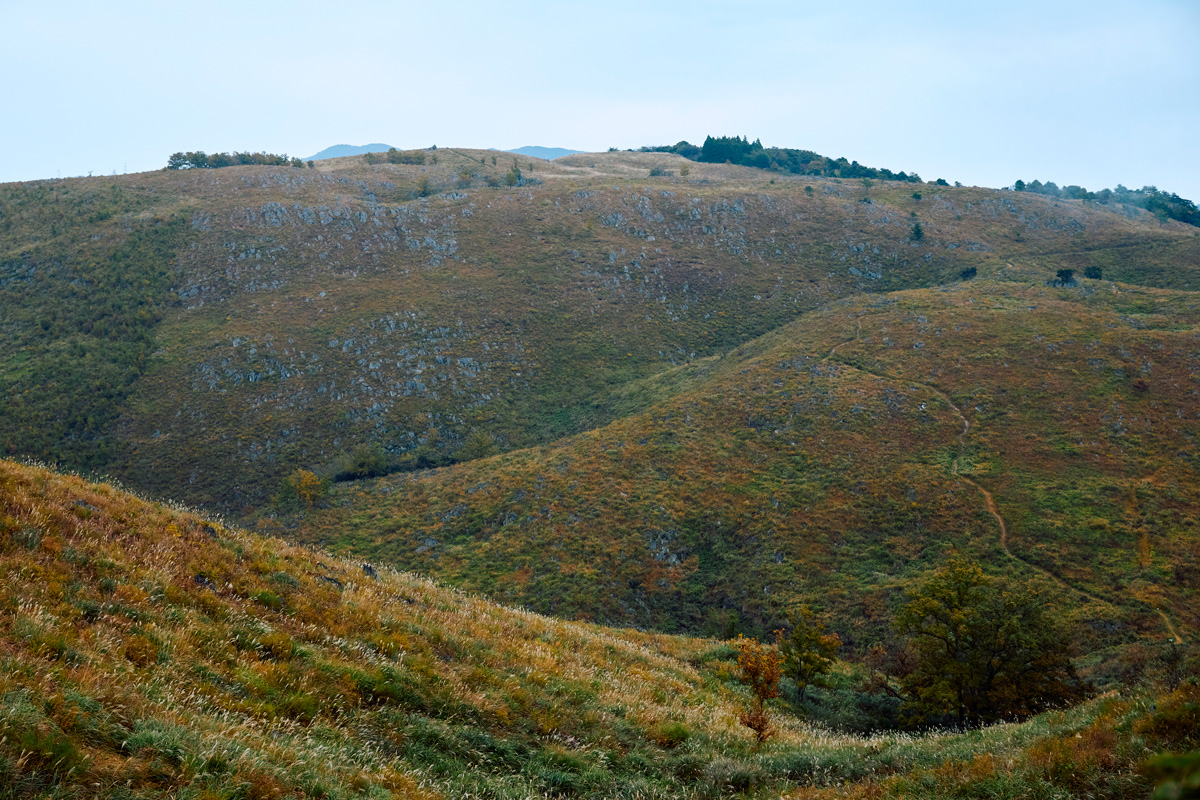
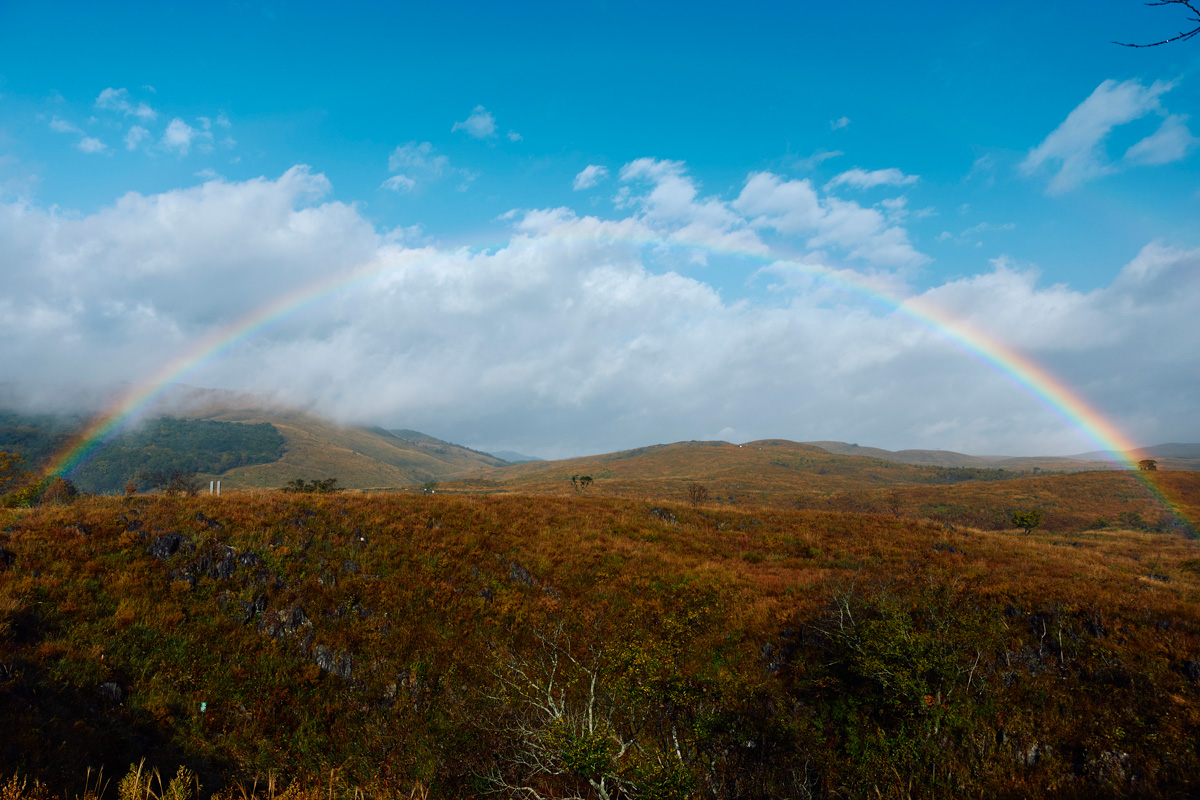
Akiyoshidai Quasi-National Park is known for its distinctive landscape—an expanse of undulating terrain dotted with white limestone outcrops—set within one of Japan’s few remaining grassland environments.
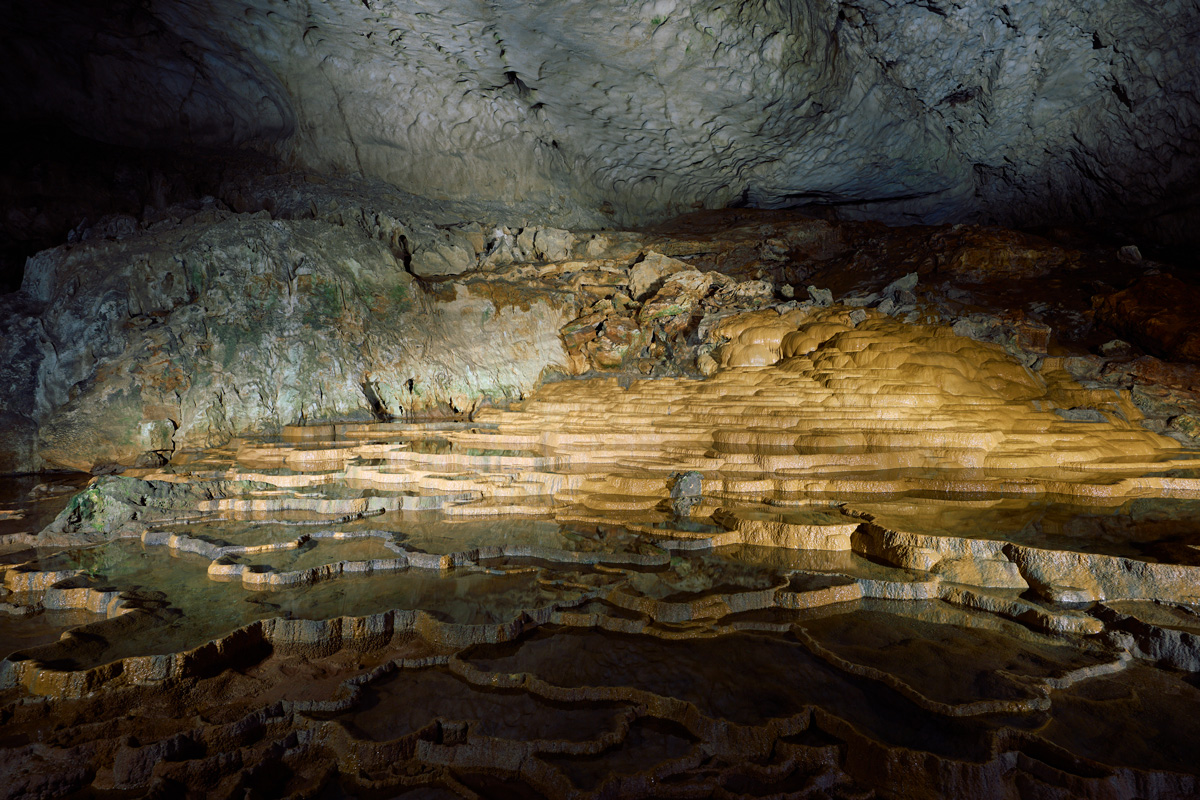
Beneath the surface lies Akiyoshido, a vast limestone cave. Throughout the cave, visitors can see a variety of dripstone formations, including stalactites and stalagmites, which have formed over tens of thousands of years as dissolved limestone slowly re-solidified. These features offer a visible record of the Earth’s long geological history.
The cave and the uneven terrain above ground are closely connected, forming an integrated system shaped by groundwater. Together, they create a dynamic environment in which surface and subterranean processes are interlinked.
Akiyoshidai and Akiyoshido naturally inspire visitors with intuitive surprise and excitement, such as “Marvelous!” and “How extraordinary!” but we, as museum staff, would like visitors to discover much more. Caves, stalactites, and landforms are historical records of the Earth and are still evolving. With several billion years of Earth’s history, this site is key to predicting the future.
This site is valuable not only as a sightseeing spot but also from an academic perspective.
Fuijkawa: Right. For over 100 years, Akiyoshidai has served as an important field for scientific research. The site was first featured in a geological and topographical journal in 1903 and was already being studied during the Meiji period (1868–1912).
Since then, researchers from a wide range of academic fields, including biology, environmental studies, archaeology, and history, have continued their research and discoveries to the present day.

You mentioned that Akiyoshidai and Akiyoshido have formed an integrated environment through groundwater. Could you provide more details?
Fujikawa: The white stones are limestone, which mainly consists of calcium carbonate and is a type of carbonate rock. Limestone is distributed all over the world. It was mostly formed from the skeletal remains of organisms, such as coral skeletons and seashells, which accumulated and solidified on the seabed after the organisms died.
Because of its chemical property of being dissolved by acids, limestone has been dissolved through reactions with mildly acidic rainwater or soil water that contains carbon dioxide. This process has resulted in the formation of conical holes in the rock and the development of undulating terrain. Water infiltrates the ground and creates passageways. As groundwater flows through the passageways, it dissolves the walls, floor, and ceiling, eventually forming a cave.
A single cave does not necessarily have only one entrance and one exit. Because underground passageways continue to grow increasingly complex, like an ant nest, the caves in the Akiyoshidai area can be considered interconnected above and below ground.
Akiyoshido is one of the 453 caves confirmed in the Akiyoshidai area and the largest and most famous show cave. In this area, new caves are discovered every year, so the number is still growing.
Concerns over the Impact of Rising Temperatures and Flooding from Heavy Rainfall on Ecosystems
Could you provide an overview of the Akiyoshi-dai Museum of Natural History?
Fuijkawa: The museum was founded in 1959. As previously mentioned, Akiyoshidai has served as an important field for scientific research. We, as a museum, have a history of academically studying what this site contains and determining its value.
As a tourist spot, we have also conducted educational activities by providing exhibits and observation tours for visitors of all ages.

Do you have any concerns about how climate change might affect Akiyoshidai or Akiyoshido in the near future?
Fujikawa: Karst topography, such as Akiyoshidai, are said to have almost no capacity to recharge water. For this reason, if heavy rain continues, rainwater flows downstream, causing flooding. Conversely, prolonged sunny weather is likely to lead to drought because the plateau cannot store water. Drainage has improved to some extent, but until several decades ago, it could not handle heavy rainfall, causing the entire area to become submerged like a lake. Extended rainfall may accelerate soil erosion and increase the likelihood of subsidence. In addition, cliffs are prone to collapse at the periphery of karst plateaus. Rainfall enhances the chance of collapse in many areas of karst plateaus.
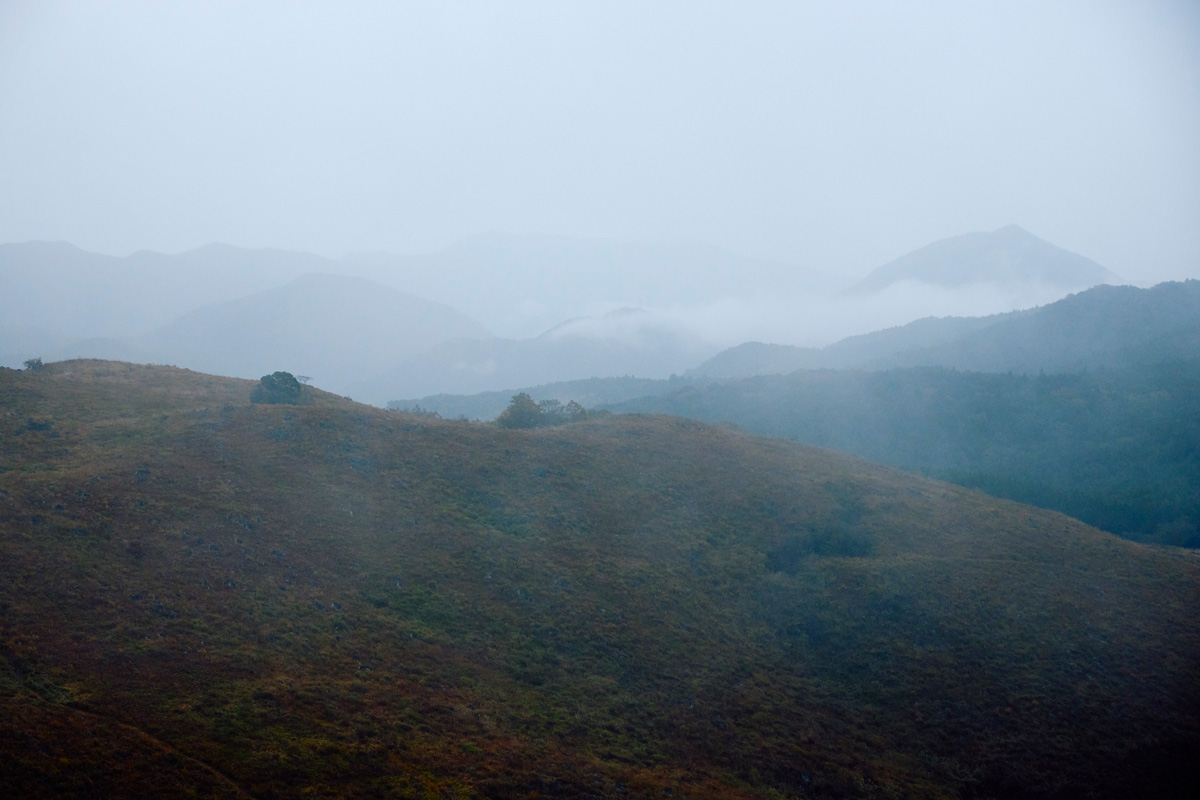
Rising temperatures, along with changes in solar radiation and greater temperature fluctuations, are expected to affect vegetation. The grasslands of Akiyoshidai are a form of satoyama landscape—semi-natural grasslands that have been maintained through long-term interaction between local communities and nature for more than 300 years. However, increasingly extreme climate conditions and significant temperature shifts may make it difficult to sustain this environment in its current form. The area could be overtaken by invasive species or gradually degrade into barren land.
What is the vegetation around this area, and what kinds of animals and insects are seen?
Ishida: The Akiyoshidai grasslands are called semi-natural grasslands, secondary nature maintained through human activities such as grass harvesting and controlled burning. In this area, various plants grow, including dwarf bamboo and silver grass. With grasslands like Akiyoshidai decreasing in number across Japan over the last century, many animal and plant species living there are now endangered. For example, grassland butterflies. They were once widely distributed, but are now found only in Akiyoshidai on the main island of Japan. Akiyoshidai is vital for animals and plants that can survive only in grassland environments.
More locally, it is slightly cooler near cave entrances than in the surrounding area because cool air comes out from inside even during summer. Rare plants that inhabit such environments, in particular, may be affected by climate change.

Providing Broad Learning Opportunities to Help People Understand the Current Situation
What measures do you think would be effective against future climate change?
Fujikawa: One approach would be educational activities to disseminate and share information with various people, including local elementary school children, based on the potential risks and future projections. These initiatives have already been carried out. Here is another point. I specialize in geology, while Ms. Ishida specializes in biology. In a small organization like a museum, it is difficult to identify and address every issue. Our roles are to understand the current situation and gather information, as well as to accumulate academically relevant data and produce results.
We will carry out these processes in cooperation with university professors. However, since this cannot be done alone, we would appreciate the support of national and local governments.
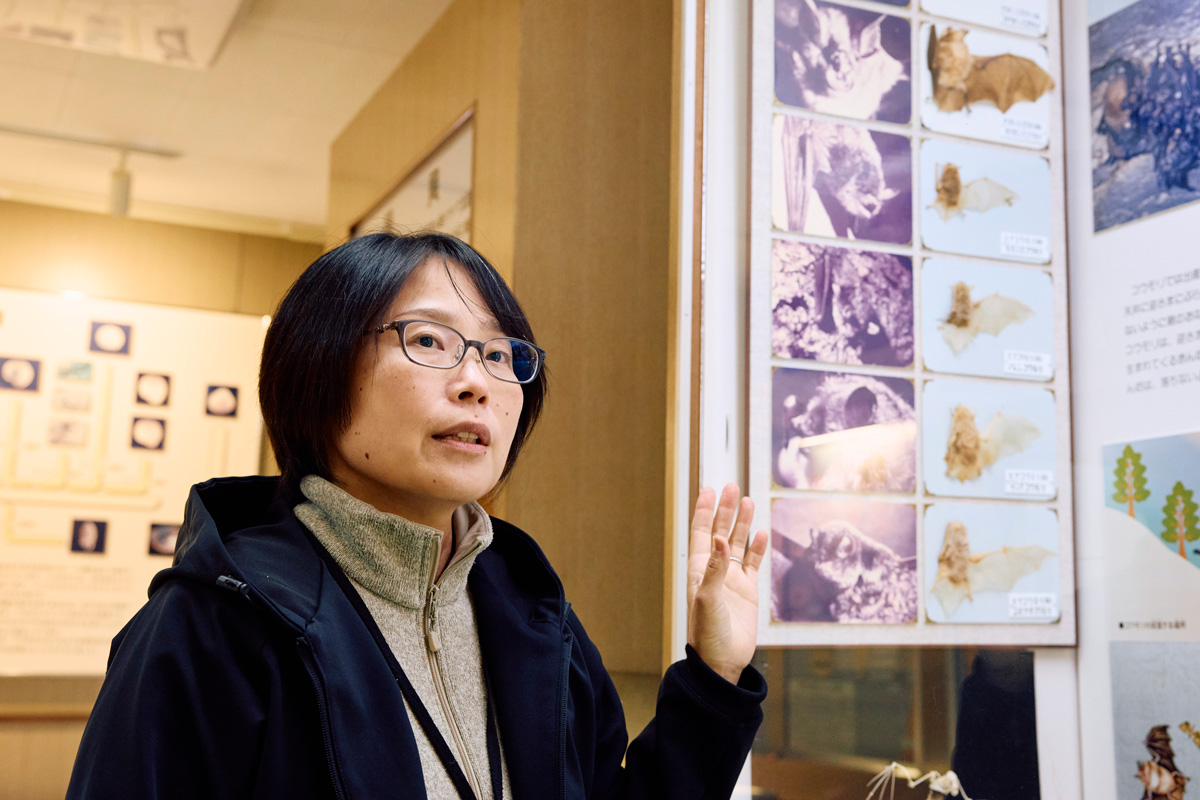
Ishida: A fundamental and one of the most important roles of museums is to collect and preserve materials. The collection and storage of academic information includes materials that provide evidence for the results of various types of research.
In museums, materials refer to objects and information. Museum materials, ranging from natural history to history, folklore, archaeology, and the arts, are highly valuable. This is because they encompass a wide range of information about the time when they were collected or created, including climate, natural phenomena, flora and fauna, social structures, customs, and social situations, as well as their respective significance.
An accurate understanding of fluctuations, including climate change, requires comparison with the situation before the fluctuations. It is important for us, as local residents, to compare past and present conditions locally regarding climate change, as well as from a global perspective. This helps us understand ongoing changes and develop measures based on future projections.
If the current natural environment and culture are altered or lost due to various factors, including climate change, it will be necessary to record (collect), preserve, and pass on the present conditions of this community to future generations.
The function of collecting and preserving materials in museums is not only for the museums themselves and their users. It plays a socially important role by contributing to climate change responses and to future world development.
Now, 60 years after its founding, this museum houses a large number of materials. It will take a considerable amount of time to organize and manage them, but we aim to do so properly.

There may be problems or concerns related to overtourism, which results from a recent increase in tourists, especially foreign visitors. What do you think is important for protecting this place, and what are your plans for the future?
Fujikawa: I do not think Akiyoshidai should restrict access to people simply because it is an important natural environment. It is desirable to encourage appropriate use and to preserve the current environment as much as possible. To achieve this, our museum should collect and disseminate information based on fundamental scientific knowledge.
In local elementary schools, integrated studies include year-round learning about Akiyoshidai. This learning covers not only natural science but also general studies from the perspective of local history and culture by engaging with local people and walking in the mountains, which has continued for more than a decade. At the end of the integrated study, there is an opportunity for students to guide visitors based on a theme they have chosen. In addition to children, who will shape the future of the community, we also offer lectures on various themes for the general public through social educational organization activities. Future challenges include establishing a system to effectively convey our messages to visitors on each occasion and building trust with them.
Ishida: A trail running event using the large grasslands is also held in Akiyoshidai. However, some areas have become bare due to damage to the grass caused by trampling. When rain falls on exposed soil where the grass has been removed, plants may fail to grow because the soil is washed away.
To address this issue, vegetation restoration measures have been implemented for the trail running events hosted by the Tourist Association, including reviewing which paths should be removed from the course, while monitoring the effects before and after the events.
Attracting visitors to Akiyoshidai and promoting its appeal are important for increasing opportunities to engage them and for ensuring proper preservation. We would like to build a flexible relationship where not only the organizers but also various people can consider the potential impacts and countermeasures when planning new events.
This article was written based on an interview conducted on November 27, 2024.
(Posted on April 25, 2025)
 DISCOVER MORE

