 Asia - Japan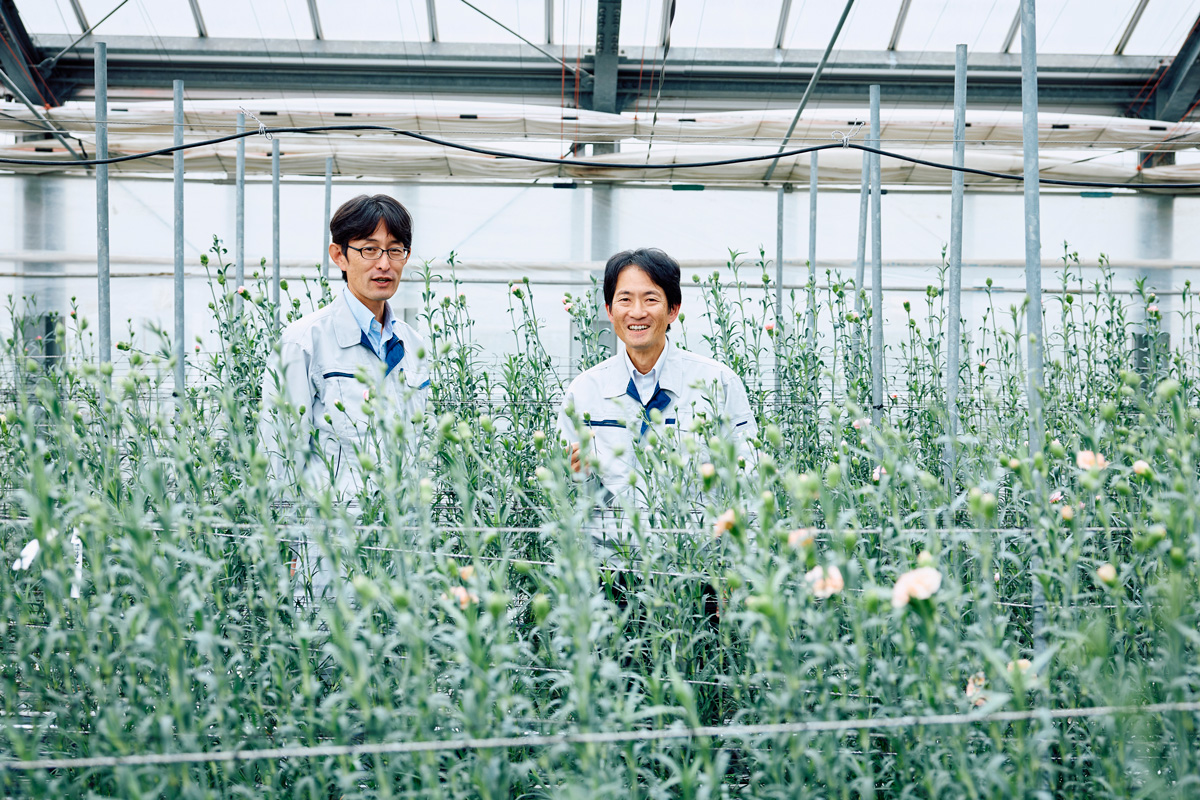
| Date of interview | November 26, 2024 |
|---|---|
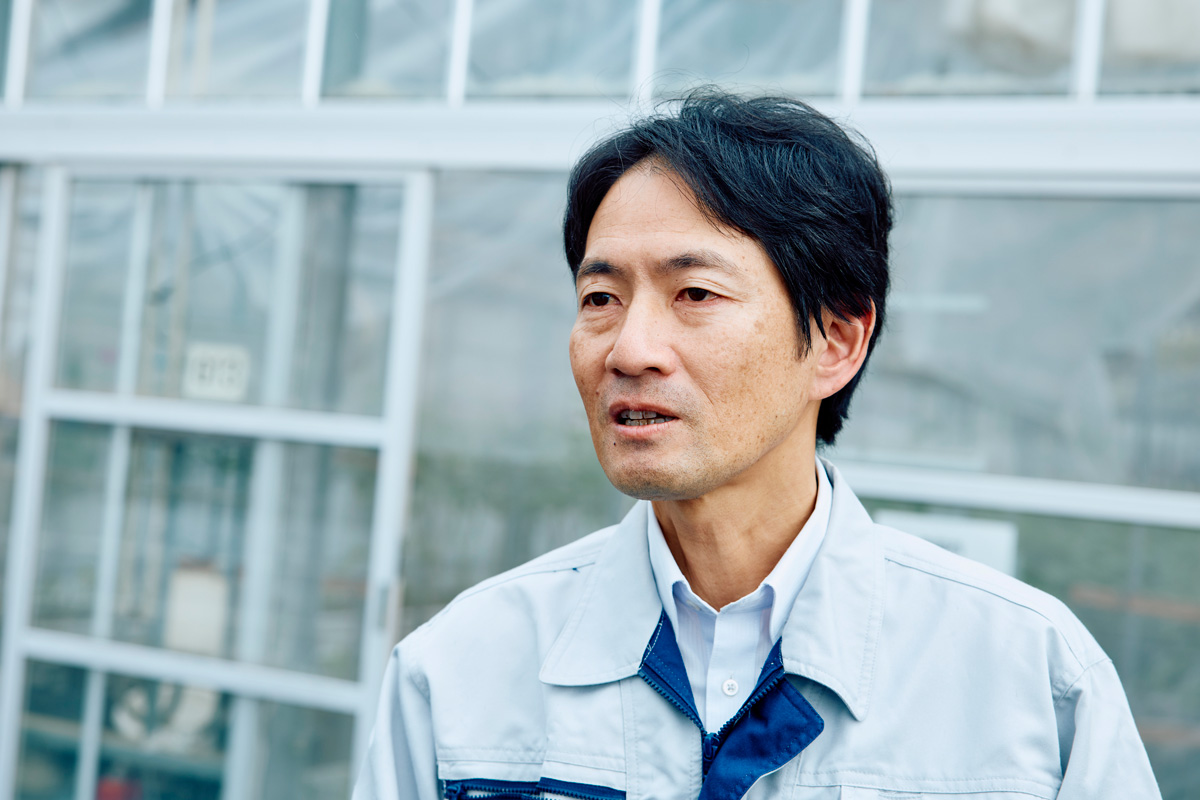
| Interviewee | ・Daisuke Watanabe, Senior Researcher, Agricultural Technology Laboratory, Agriculture & Forestry Technology Department, Yamaguchi Prefectural Agriculture & Forestry General Technology Center ・Atsushi Fujita, Senior Researcher, Flower Promotion Center |
Rice and Floriculture Production Promoted by Yamaguchi Prefecture
The Yamaguchi Prefectural Agriculture & Forestry General Technology Center focuses on the development and recruitment of human resources, the development and dissemination of new technologies, and the promotion of sixth-sector industrialization, serving as a hub of expertise and technology in agriculture and forestry. Mr. Watanabe from the Agricultural Technology Laboratory, what do you do in your job?
Watanabe: I belong to the Common Grain Crop Research Group and conduct research mainly on rice, wheat, and soybeans. My job includes developing crop varieties and selecting and disseminating varieties developed in other regions that are suitable for the land in Yamaguchi Prefecture.
I also study new cultivation technologies, including smart agriculture, as well as cultivation methods tailored to producers’ needs.
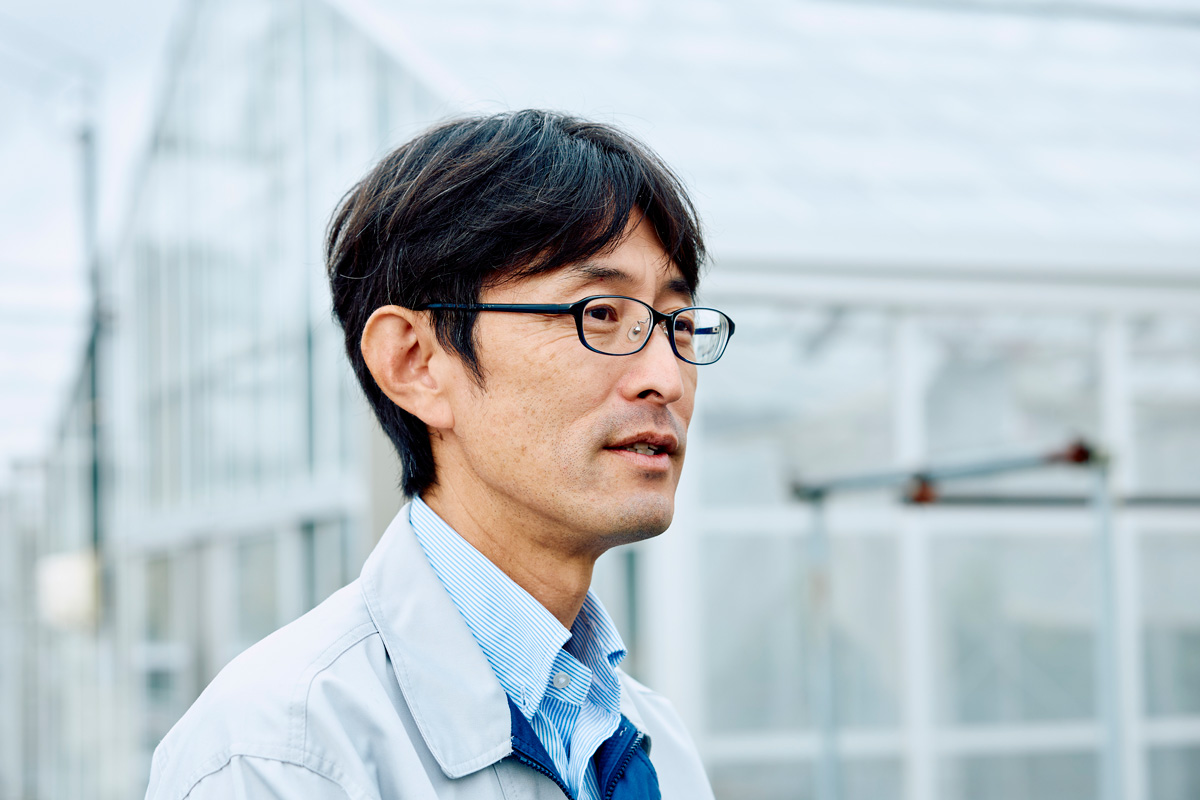
Mr. Fujita from the Floriculture Promotion Center, please tell us about your job. What types of flowers are produced in Yamaguchi?
Fujita: Chrysanthemum, roses, and carnations are in stable demand and have been cultivated in Yamaguchi for many years. They are followed by lilies. We have developed varieties with distinctive characteristics, such as small types rarely seen in other prefectures and pollen-free types that do not stain bridal clothing.
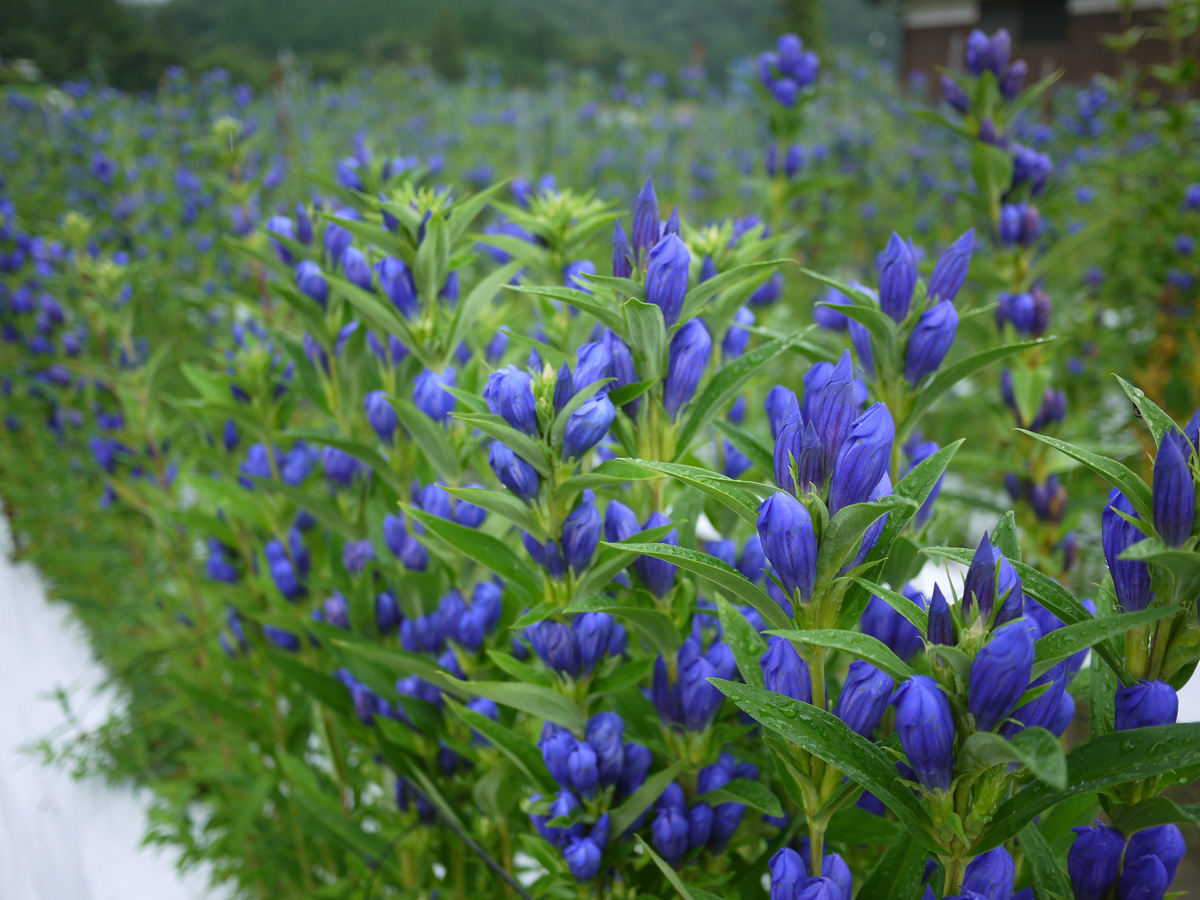
To meet the diverse demands of florists, as flowers are used in many aspects of daily life, several hundred producers in Yamaguchi cultivate a wide variety of flowers. Our center is currently focusing on gentians. They are easy to cultivate because they can be grown in paddy fields and do not require greenhouses.
However, the warm climate of Yamaguchi is not suitable for their cultivation. Gentians prefer cool summer conditions and exhibit greater disease resistance when grown in a cool environment. However, demand from producers began to rise, partly because Buddhist altar flowers are in stable demand.
Against such a background, the Floriculture Promotion Center has developed gentian varieties suited to local land conditions for more than 20 years. Because even high-quality varieties do not grow well without cultivation technology, we also carry out technology development concurrently.
Devising Cultivation Methods to Avoid Rice Quality Deterioration Due to High Temperatures
What impact has recent climate change had on crops?
Watanabe: The planted area for rice in Yamaguchi has shrunk with the decreasing demand in Japan. At this point, I do not see any clear impact of climate change on the planted area.
What has been impacted by climate change is rice quality. When brown rice is exposed to high temperatures during the ripening period, it turns cloudy, resulting in a lower grade. Even when such rice is harvested, its price falls, which affects producers’ income.
Low-quality rice has poor taste, and high temperatures also favor the proliferation of pests such as stink bugs and brown planthoppers.

Fujita: Flowering and ornamental plants are often considered to be cultivated in greenhouses, so some people might think that a warm winter is actually better for them. However, the prices of kerosene and heavy oil have risen significantly, placing pressure on producers. Meanwhile, winter is not cold enough for the cultivation of some varieties in certain years.
The greatest impact comes from summer temperatures. Rising temperatures in recent years have caused the shipping season to vary. Especially in 2024, a prolonged period of extremely hot days prevented us from shipping flowers in time for the Obon and Ohigan seasons, when demand and prices are at their highest. Gentians, which are most affected by temperatures, were initially scheduled for before the Obon season (mid-August), but had to be shipped in mid-July. This was not limited to Yamaguchi but occurred nationwide, resulting in a shortage of gentians in many regions during the Obon season.
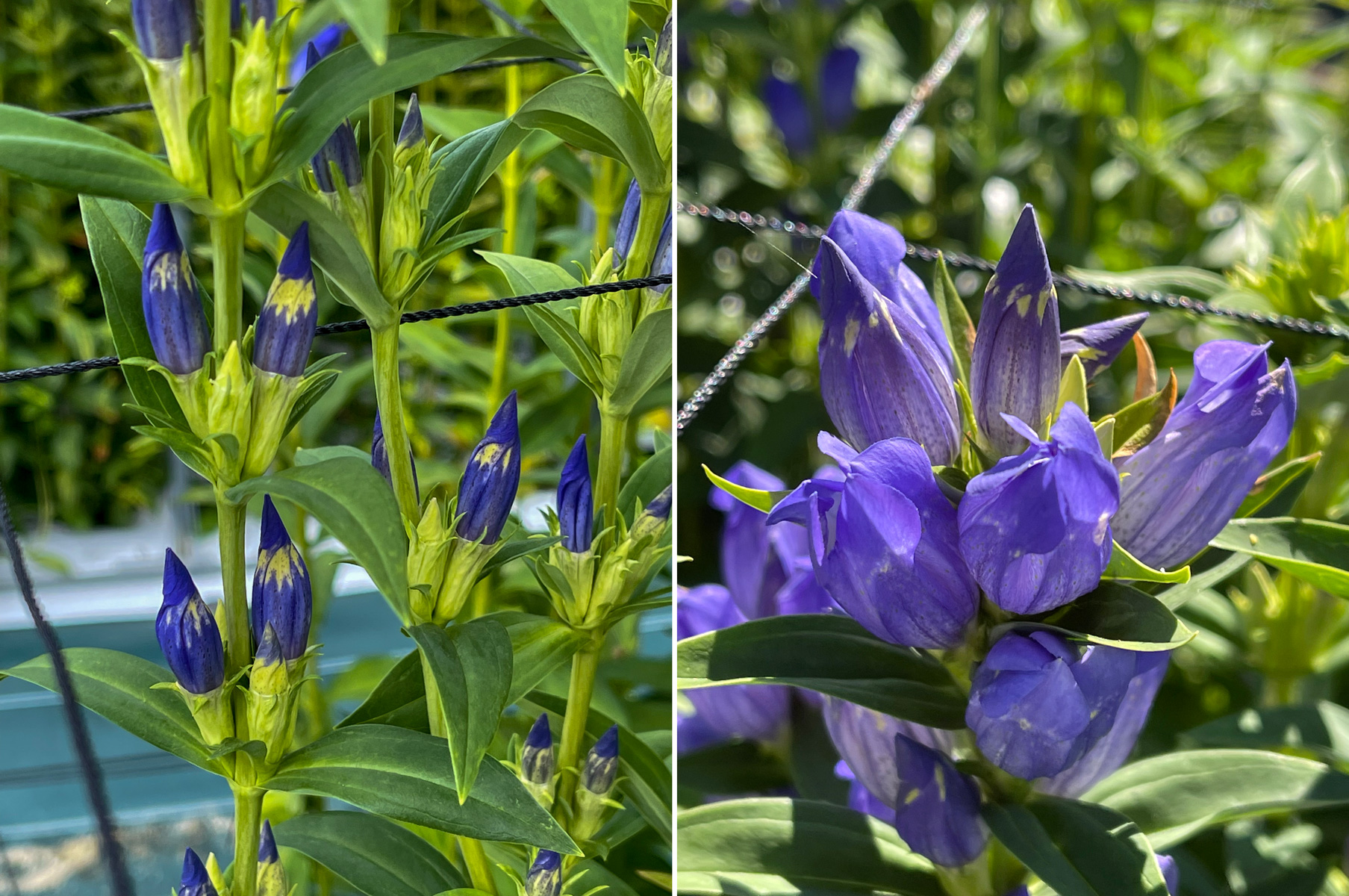
For gentians, the two to three weeks from bud to bloom are the most important. If exposed to high temperatures during this period, a white banded pattern of poor coloration appears around the blue gentian buds. This is a growth disorder caused by heat shock.
Rice may still be shipped even if its quality slightly declines. However, flowers cannot because appearance is crucial, and producers are therefore financially affected.
What have you done to address the impact of high temperatures on rice?
Watanabe: The summer of 2010 was also extremely hot, which led to a decline in rice quality in Yamaguchi. However, prompt switching to different varieties is difficult. Therefore, we previously attempted to address the issue by modifying the cultivation method.
Reducing the protein content in rice improves the taste, which requires limiting the use of nitrogen fertilizer. So, we used fertilizers containing only the minimum necessary amount of nitrogen. However, if rice is exposed to high temperatures when it is barely viable, it does not grow well. For this reason, we conducted research to review the use of fertilizers. Recent fertilizer trends include products that, once applied at planting, gradually dissolve and remain effective until the rice ripens. However, under high-temperature conditions, nitrogen may be depleted earlier than expected, depending on the fertilizer. Therefore, we chose a product with a prolonged fertilizer effect and adjusted the application amount to mitigate quality deterioration. I think the quality became relatively stable after that.
It seems that switching varieties remains a significant challenge.
Watanabe: It usually takes nearly a decade to develop heat-resistant varieties. During that time, we have to continually anticipate conditions in the future, which makes it difficult to develop desired varieties.
Still, we have been testing varieties in parallel. While researching how varieties developed by the National Agriculture and Food Research Organization and other prefectures are grown in Yamaguchi, we are selecting those that show less quality deterioration even under high-temperature conditions.
Under such circumstances, Koinoyokan, a variety whose quality is less prone to deterioration even during a period of prolonged hot weather, was adopted as a recommended variety in Yamaguchi in 2017. However, its planted area was still small around 2017, because Koshihikari and Kinumusume, the main rice varieties produced in Yamaguchi, and Hinohikari, which is said to easily deteriorate when temperatures are high, did not exhibit significant quality deterioration. However, I believe this will gradually change in the coming years. I expect Koinoyokan, which is harvested between early and mid-October, to be cultivated mainly in low-altitude plain areas.

Yamaguchi has regions with diverse characteristics, ranging from coastal plain areas to high-altitude mountainous areas, and rice cultivation is conducted throughout the prefecture. Koshihikari, an extremely early-maturing variety, is planted in mountainous areas between early and mid-May and harvested between late August and mid-September. Meanwhile, Kinumusume, an early-maturing variety, is planted in mid-altitude areas between late May and early June and harvested in late September. Medium-maturing varieties, including Hinohikari, are planted in plain areas in mid-June and harvested between early and mid-October.
Developing Original Gentians to Meet Periods of Increased Demand
Regarding flowers, you mentioned that you have developed original gentians. Could you tell us more about it?
Fujita: Yamaguchi began developing original gentian varieties in 2003 and registered Saikyonoshoka as a new variety in 2014. It is the earliest-blooming gentian variety in Japan, flowering as early as late May. It is popular for its early summer shipment, before temperatures become high, and has helped increase the number of gentian producers in Yamaguchi since its registration. In response to requests to expand the range of varieties for continuous shipment, we have conducted further development. The current lineup consists of five varieties: Saikyonoshoka, Saikyonosuzukaze, Saikyononatsuzora, Saikyonoshiratsuyu, and Saikyonozuiun.
The first three varieties can be harvested between May and early August. They grow vigorously even during the period when temperatures are gradually rising and maintain their quality without withering. Each took about 10 years to develop but has been steadily adopted within Yamaguchi.
The latter two varieties can be shipped in time for the Ohigan season in September. This season is a period when the impact of heat becomes apparent, but these varieties are more heat-resistant than the commonly available varieties previously grown. In particular, Saikyonozuiun is an F1 variety, developed by hybridizing parental lines with superior performance, and it rarely causes banded pattern disorders. Because variety development takes a long time, we have been working on new varieties, keeping future climate change in mind. In 2025, we are planning to register a variety that can be shipped in time for the Obon season, and we are also about to develop a variety that can be shipped after October.
Are you devising any new methods for cultivation technologies?
Fujita: Gentians are prone to disorders when temperatures exceed 30°C. To prevent this, we conducted a test in which the plants were covered with a light-blocking material using posts in the field. This proved that the incidence of disorders was reduced from over 50% to 10% or less. However, this method is so costly that consultation with producers is required.
Another effective approach is to implement measures for shipment. Some producers purchase refrigerators to store harvested flowers and deliver them to florists in refrigerated vehicles while keeping them cool. However, there will be a need for initiatives in which research on quality preservation is conducted across various processes—such as post-harvest hydration, flower preservative application, and taking out flowers from refrigerators at markets—and is disseminated to the field.
What are the future challenges and prospects?
Watanabe: I think temperatures will continue to rise. However, there is currently only one heat-resistant rice variety in Yamaguchi, so we need to introduce new varieties that can be cultivated across areas ranging from mountainous regions to plains. Toward this goal, I would like to continue my research.
Fujita: Even for flowers, we need to add varieties while always considering whether they can be updated according to environmental conditions. I would like to explore what more I can do regarding relevant cultivation technologies.
This article was written based on an interview conducted on November 24, 2024.
(Posted on April 25, 2025)
 DISCOVER MORE

