 Asia - Japan
| Date of interview | September 17 – 18, 2024 |
|---|---|
| Interviewee | Takaki Bakery Co. Ltd. ANDERSEN FARM ・Farm Manager: Tetsuji Morimoto ・Section Chief: Kazutaka Yamaki Andersen Institute of Bread & Life Co., Ltd. ・Director and Executive Officer: Daisuke Kameoka ・Masami Mitsui Hiroshima Andersen Retail Group ・Etsuko Shinmoto Andersen Fukuya Hatchobori Store ・Sales Leader: Rie Masago |
Andersen’s headquarters are located in Hiroshima Prefecture, and we’ve heard that the group also operates a farm in Kitahiroshima Town. What kinds of crops do you grow there?
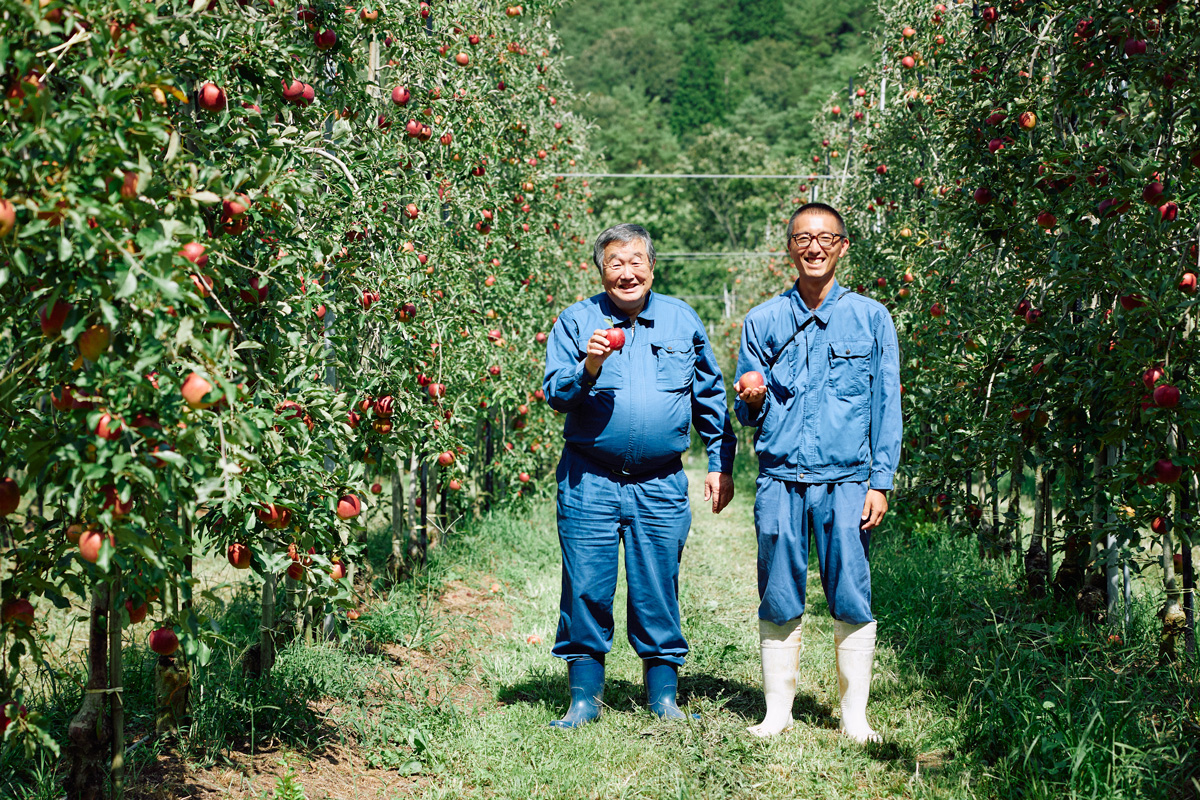
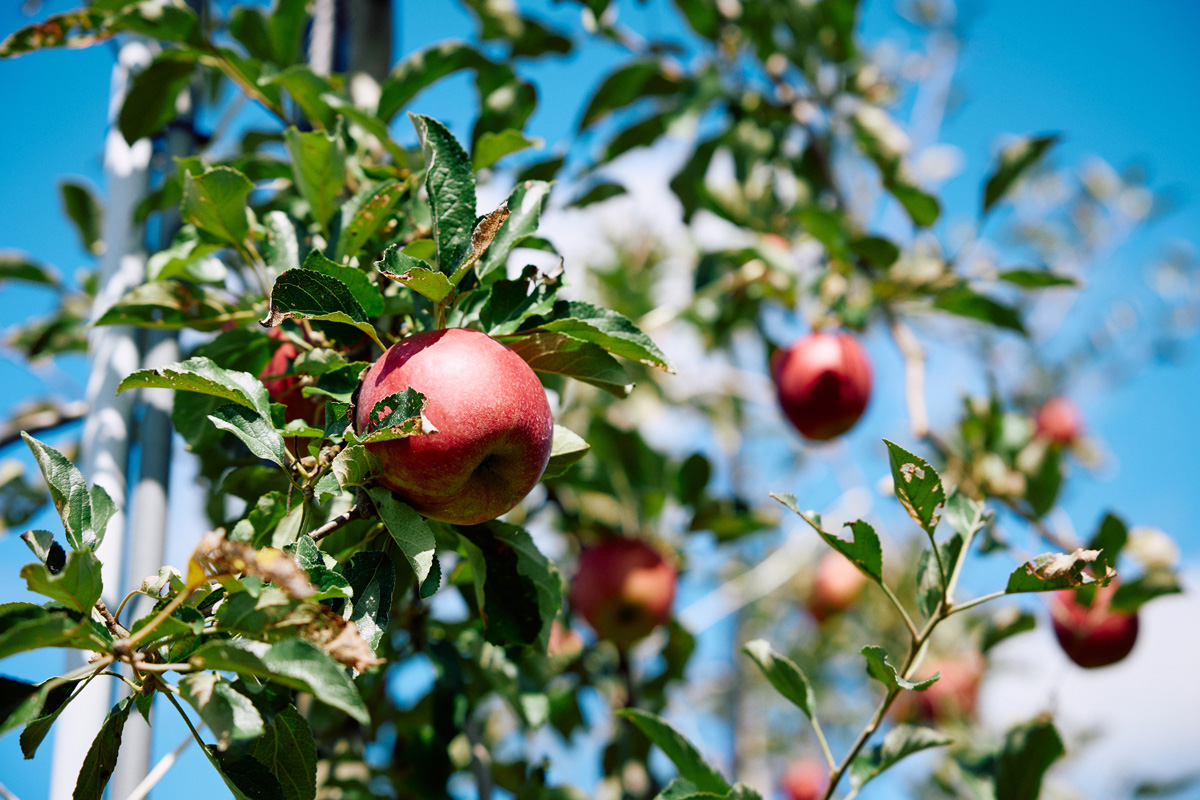
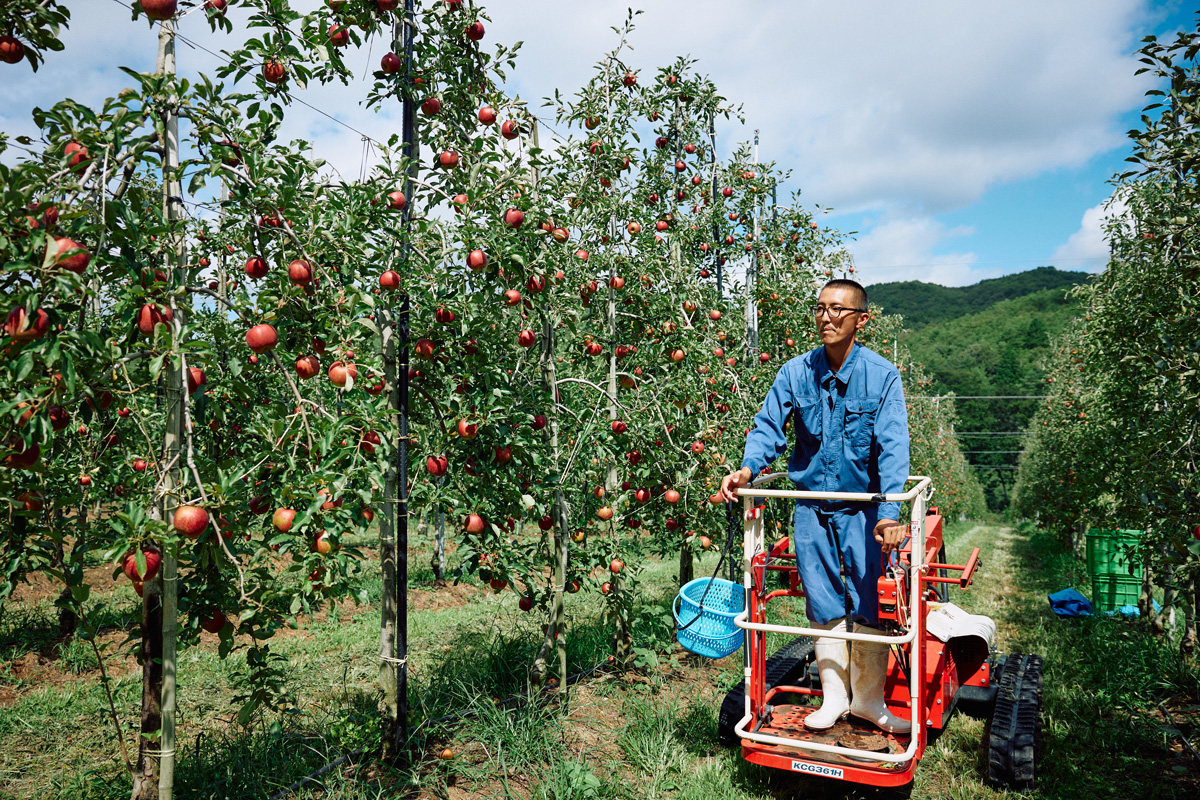
Morimoto: Andersen Farm started in 2008 by planting 1,000 apple trees of three varieties. The varieties we grow are the bright red “Kogyoku,” the yellow “Shinano Gold” that ripens in late October, and the green “Granny Smith,” which retains its color even when fully ripe.
At the same time, under the concept of “Pairing wine with bread at the table,” we began cultivating six varieties of wine grapes, including some on a trial basis.
As for the grapes, we were often told, “They won’t grow here.” However, guided by the corporate philosophy of “Every endeavor begins with the spirit of a novice,” we took on this major challenge.
Considering the climate, elevation of Kitahiroshima Town, and recent impacts of climate change, what challenges have you faced in cultivation, and what measures have you implemented?
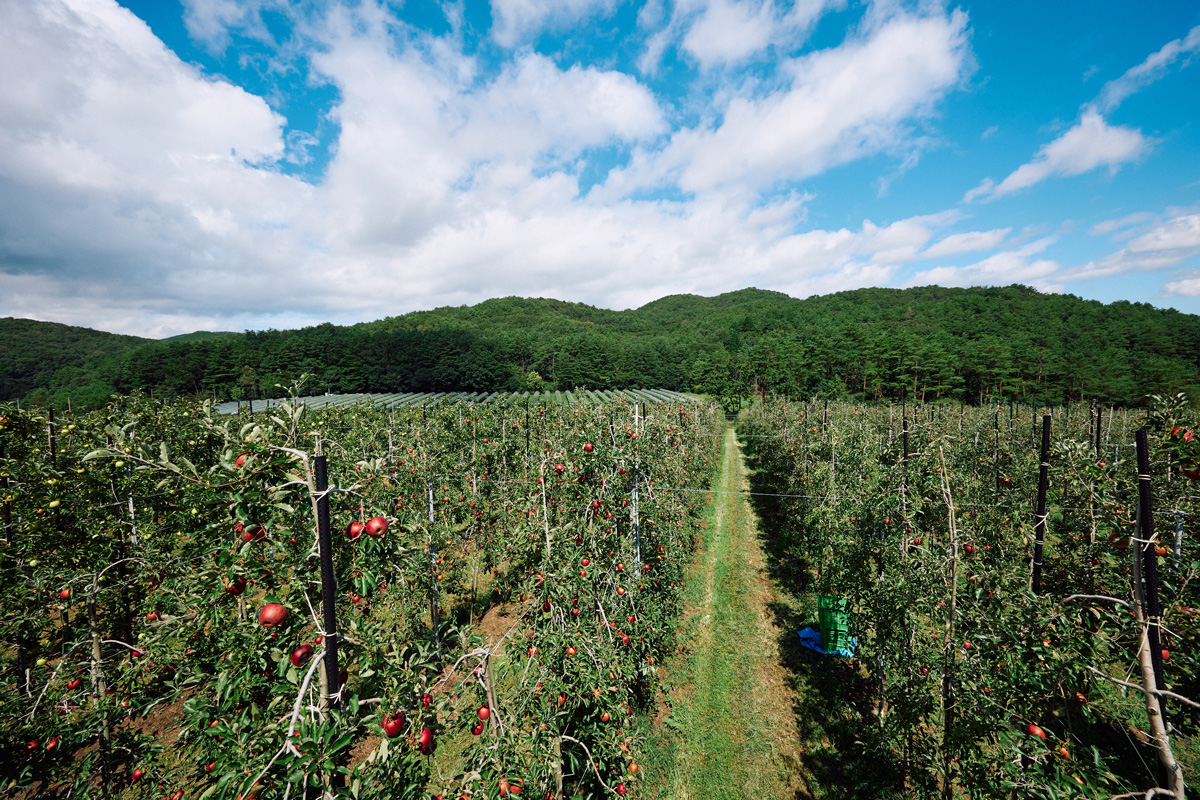
Morimoto: Since its opening, Andersen Farm was the first in western Japan to adopt “new dwarf tree cultivation,” which involves growing smaller tree shapes, a practice that was becoming mainstream in Europe. A major challenge came with the heavy snow in 2011. As the snow melted, the force broke off all branches shorter than 150 cm.
To save the trees, we grafted the broken branches onto the trunks, reconnecting the damaged areas. That year, we had high hopes for a good harvest because many flower buds had formed, so the situation was very disappointing. It was then that I truly felt the immense power of nature.
Currently, we are preventing snow damage by changing the tree shape to a spindle form through downward branch training.
Additionally, late frosts, which used to occur around the beginning of May, now appear earlier, around April 20. Until recently, we managed this using the sprinkler frost protection method (where water freezes and releases a small amount of heat, keeping crops at around 0°C). However, it has become necessary to prepare earlier to cope with these changes.
We use spring water for irrigation, storing it in a reservoir that is currently being expanded. Each plot requires about 19 tons of water per hour, running for over 10 hours. Managing water is a key aspect of our work, as we simultaneously replenish the reservoir while irrigating.
Are there any adverse effects caused by summer heat?
Morimoto: Since we are at an elevation of 650 meters, the difference between day and night temperatures helps conserve the crops’ energy at night. However, this poses challenges for workers. This year, we installed WBGT (Wet Bulb Globe Temperature) meters to monitor heat stress, and we’ve had many days with high heat stroke risk. We ensure frequent short breaks and provide cold tea stored in refrigerators.
We’ve also started providing air-conditioned workwear and introduced neck coolers. Several of these are kept in freezers, allowing workers to swap them out when they warm up. During breaks, we use mist generators to spray water for cooling.
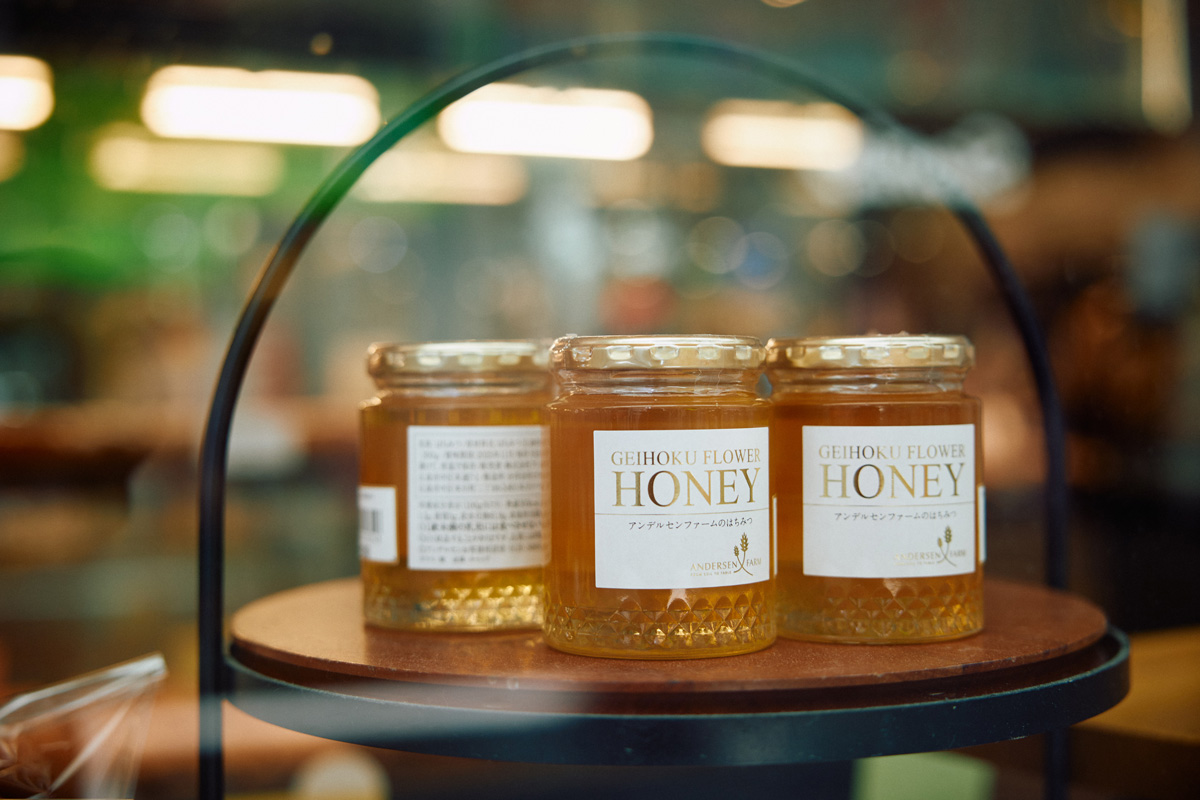
Nevertheless, we’ve observed an increase in frost damage to apples, which we suspect is due to global warming. Deciduous fruit trees enter a dormant period in December, requiring a cumulative 1,400 hours of temperatures below 7.2°C to awaken. Once awake, apple trees begin absorbing water through their roots, but if the outside temperature drops to around −10°C, the absorbed water freezes. If the frozen water melts gradually, there’s no harm, but a sudden warm spring with intense sunlight can cause the ice to melt rapidly, leading to frost damage from heat absorption. This has caused significant tree loss over the years. To protect young trees with thin bark, we now apply white paint that reflects sunlight, preventing frost damage. Warm winters are a significant problem. When buds begin to sprout but cold spells return repeatedly, flower buds don’t bloom uniformly, disrupting pollination. Initially, we manually applied pollen to each flower, but this was extremely labor-intensive. Recently, we’ve asked beekeepers to bring hives to the farm for pollination. The honey produced in this area is also sold at Andersen, making it mutually beneficial. However, on some days, the bees don’t leave their hives due to temperature and weather conditions, which presents another challenge.
How about the grapes?
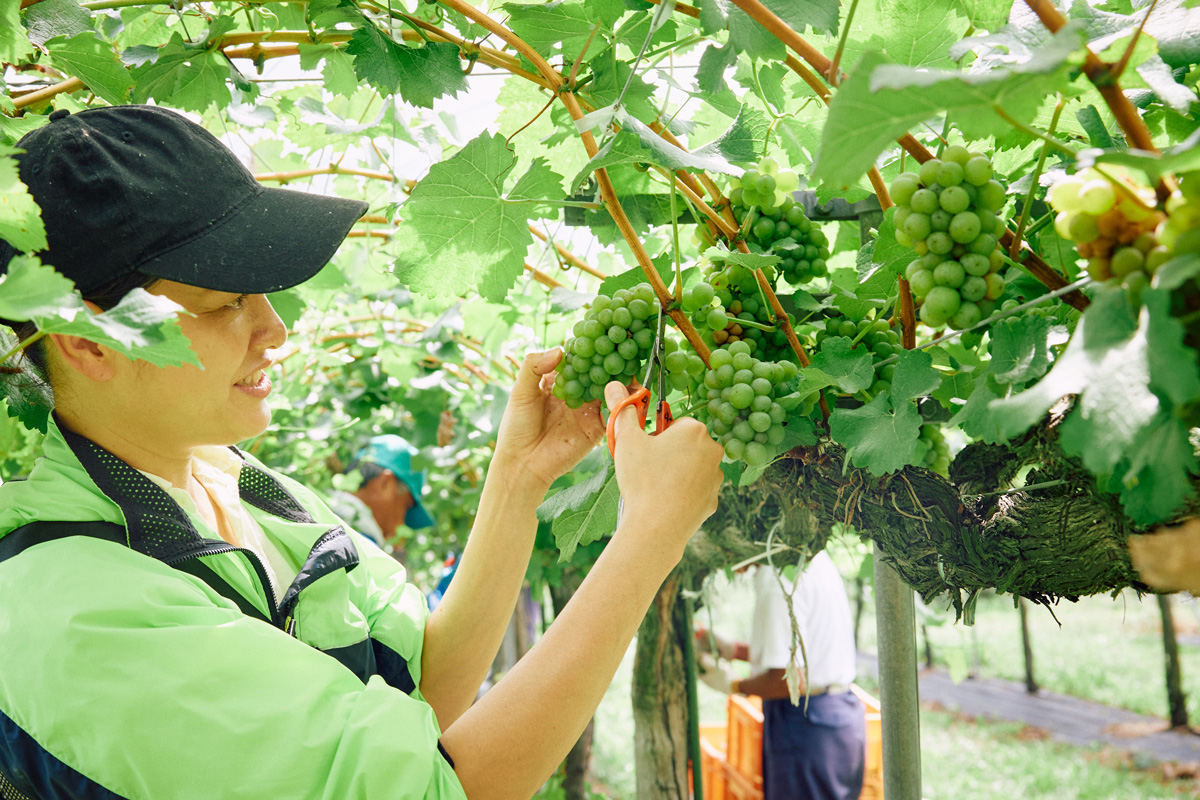
Morimoto: There were no other producers growing grapes in this area, and we thought it might be difficult. However, we believe that the sufficient sunlight in most parts of the farm has enabled us to produce high-quality grapes.
That said, the high rainfall poses challenges, as airborne pathogens can attach to the grapes, making rain covers essential.
The grapes are made into your original wines, and the apples are sold as cider and juice.
Morimoto: The juice is unfiltered and contains all parts of the apple—pulp, skin, and everything—so the color of each variety comes through. Granny Smith apples produce a greenish hue, Jonathan apples bring a red tone, and Shinano Gold apples give a yellowish tint. The balance of tartness and sweetness varies, showcasing their individual characteristics.
As for processed products, apples are made into apple preserves, which can be used as a stable ingredient for bread throughout the year. They are also used as ingredients in our original jams.
We’ll now hear from Ms. Shinmoto, a sommelier at Hiroshima Andersen, about your wine and cider. Hiroshima Andersen offers an array of delicious products under the concept of “everything that grows around bread,” enriching everyday life.
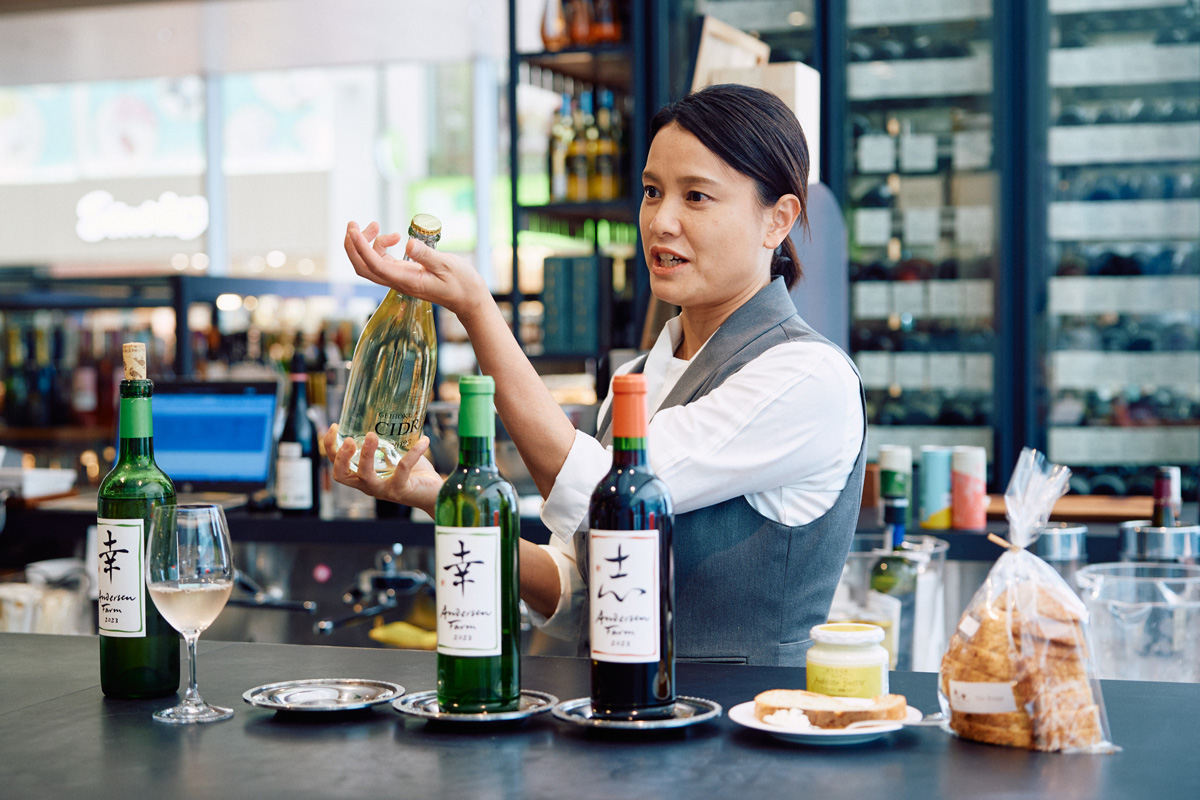
Shinmoto: Yes, at our wine tasting counter, customers can choose from 6–7 varieties of wine. They can also purchase bread, cheese, deli items, and sweets from our shop to enjoy alongside the wine. For the first glass, we recommend pairing Andersen’s fermented butter with one of our signature breads, such as “The Bread,” or whichever bread we recommend that day.
Could you tell us more about Andersen Farm’s original wines and cider?
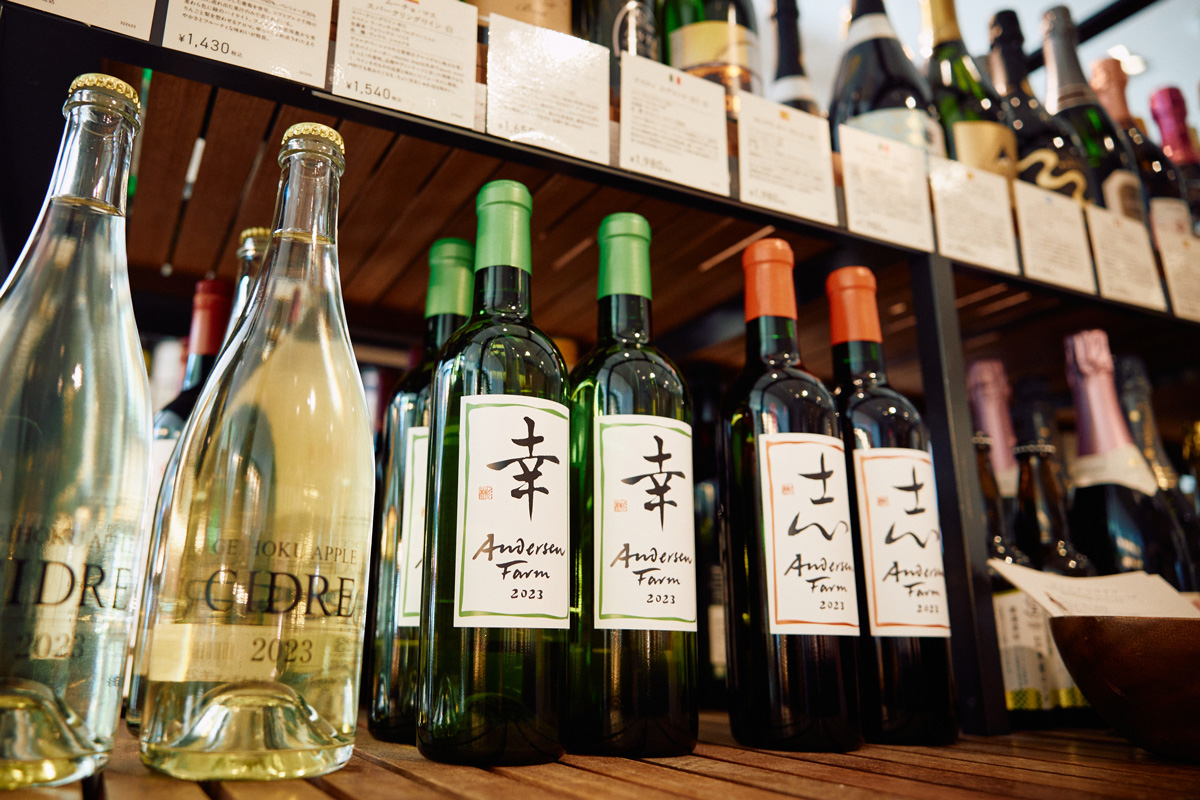
Shinmoto: Our white wine is named Saiwai (“Happiness”), while the red wine is called Kokorozashi (“Aspiration”). The white wine uses Chardonnay and Sauvignon Blanc grown at Andersen Farm, and the red wine features Merlot and Pinot Noir. The blend ratios change each year based on the harvest, so the flavor varies annually.
As for cider, while the farm grows three apple varieties, their yield can differ due to factors such as overproduction in the previous year. Thus, the blend ratio changes yearly.
Our cider is crafted using the traditional champagne method, where each bottle is fermented individually. This labor-intensive process creates fine, long-lasting bubbles. Like our wine, the cider is brewed at Okuizumo Winery in Shimane Prefecture.
What do you find most rewarding about this work, which conveys the appeal of your in-house products?
Shinmoto: Instead of selling products made by someone else, we sell products created from crops grown on our own farm, which gives us a story to tell. This allows us to confidently convey the appeal of these products to our customers.
I used to work in an industry unrelated to wine, but after joining Andersen, I was taught the joys of wine by a sommelier, which inspired me to earn my own sommelier certification. I had never seen a wine grape before, so when I had the opportunity to meet the farm staff, I mentioned wanting to visit the farm. They welcomed the idea, and since then, I’ve participated in harvest activities and other tasks.
Having your own farm must heighten your awareness of climate change, doesn’t it?
Shinmoto: Absolutely. Crops don’t always grow as expected, and there’s also the risk of typhoons. In rainy weather, we worry about diseases. It’s a real, hands-on experience of why wine doesn’t taste the same every year.
On the other hand, the staff at Andersen Farm have fewer opportunities to interact with customers. So when we receive feedback on our wine, I make sure to pass it along whenever possible.
You’re also serving as a bridge between the farm and the retail space. In addition to cider, Andersen’s “Farmer’s Bread,” made with apple-fermented dough, is a popular product. Ms. Masago, at Andersen Fukuya Hatchobori Store in Hiroshima City, could you tell us more about it? Are there different varieties of Farmer’s Bread?
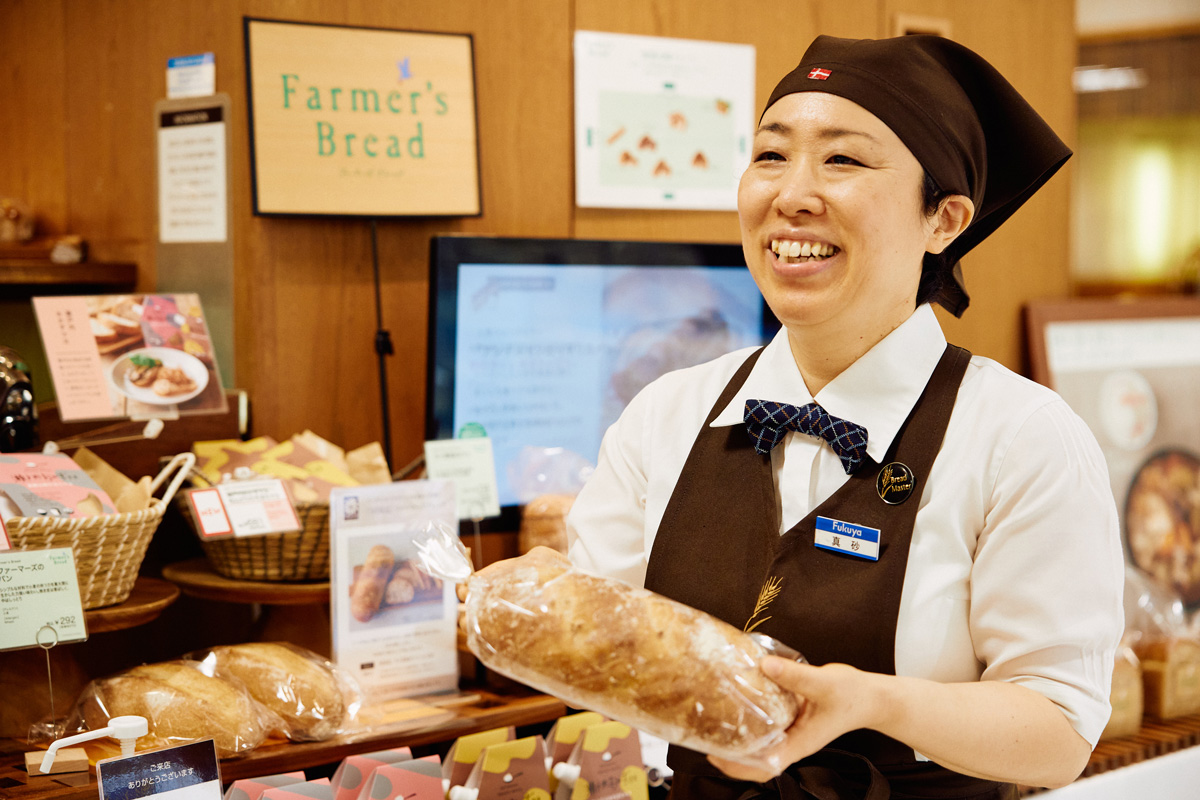
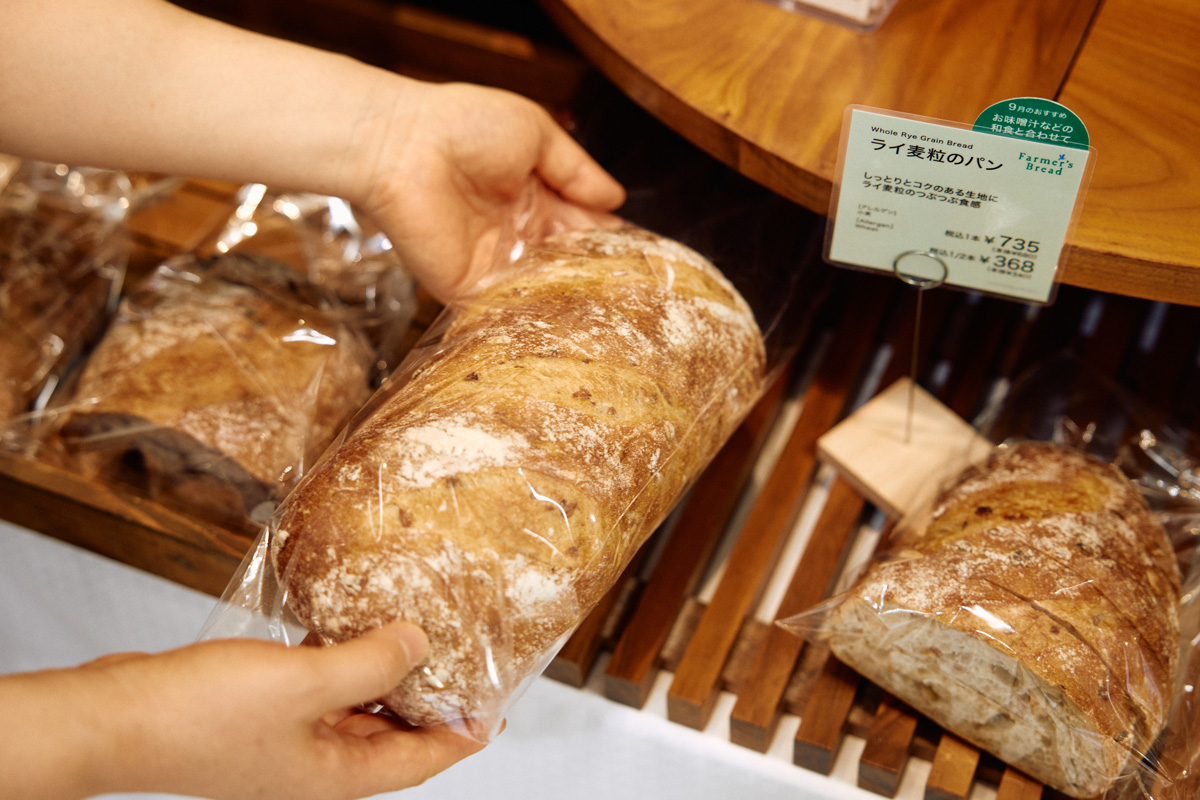
Masago: Yes, we have about five basic types of bread. Among them, whole-grain bread and rye grain bread are the staples. Depending on the season, we also offer breads featuring ingredients like apples, sweet potatoes, or corn, which can be enjoyed as-is.
You hold an in-house qualification as a Bread Master and have been implementing a program called the “Tasting Table.” Could you tell us more about this initiative?
Ms. Masago: Of course. The Tasting Table is an event held at about ten of our stores with eat-in spaces. Bread Masters introduce customers to the deliciousness and ways to enjoy Farmer’s Bread.
In July, we showcased recipes using our “Daily Whole-Grain Loaf,” a bread with a smooth texture perfect for summer when appetites tend to decrease. In autumn, we featured “Rye Grain Bread” paired with pork miso soup, proposing it as an idea for a Japanese-style dinner.
You’re actively involved in promoting the deliciousness of Andersen’s bread. What do you think is Andersen’s greatest strength as a company?
Masago: Apart from Farmer’s Bread, we also hold an “Apple Festival” every October, inspired by the Danish tradition of celebrating the apple harvest. During the festival, we offer pastries, cream-filled bread, and scones made with apples harvested from Andersen Farm, and it also serves as an opportunity to introduce the farm.
Additionally, we offer frozen deli products. For example, the curry we serve is made with our own apples and pairs perfectly with our bread. Having our own farm sets us apart from others and is one of our greatest strengths.
The store staff are working hard to bring the fruits of Andersen Farm’s efforts to many customers. Could you share your future goals?
Yamaki: Currently, our apple harvest target is 150 tons, but we’re only at about 60 tons. Our goal is to increase the yield to contribute more to the group. That said, just because we had a good year this year doesn’t guarantee the same for next year. We need to grow healthy trees, increase their number, and manage cultivation properly.
Doubling the yield will mean more work, so we also need to look into mechanization and labor-saving measures where possible.
What are the future goals for the Andersen Group as a whole?
Kameoka: As the climate continues to change, the working environment for our staff is our top priority. As the farm manager mentioned earlier, heat countermeasures are critical. Whether it’s growing apples and grapes under extreme heat or baking bread, the challenges are significant.
In 2023, half of our factory investments at Takaki Bakery, a group company, were directed toward improving working conditions. The biggest expense was upgrading the ventilation system, which expels hot air and introduces cool, clean air with specialized filters. We’ve been measuring WBGT (Wet Bulb Globe Temperature) indices and prioritizing investments in the most challenging areas.
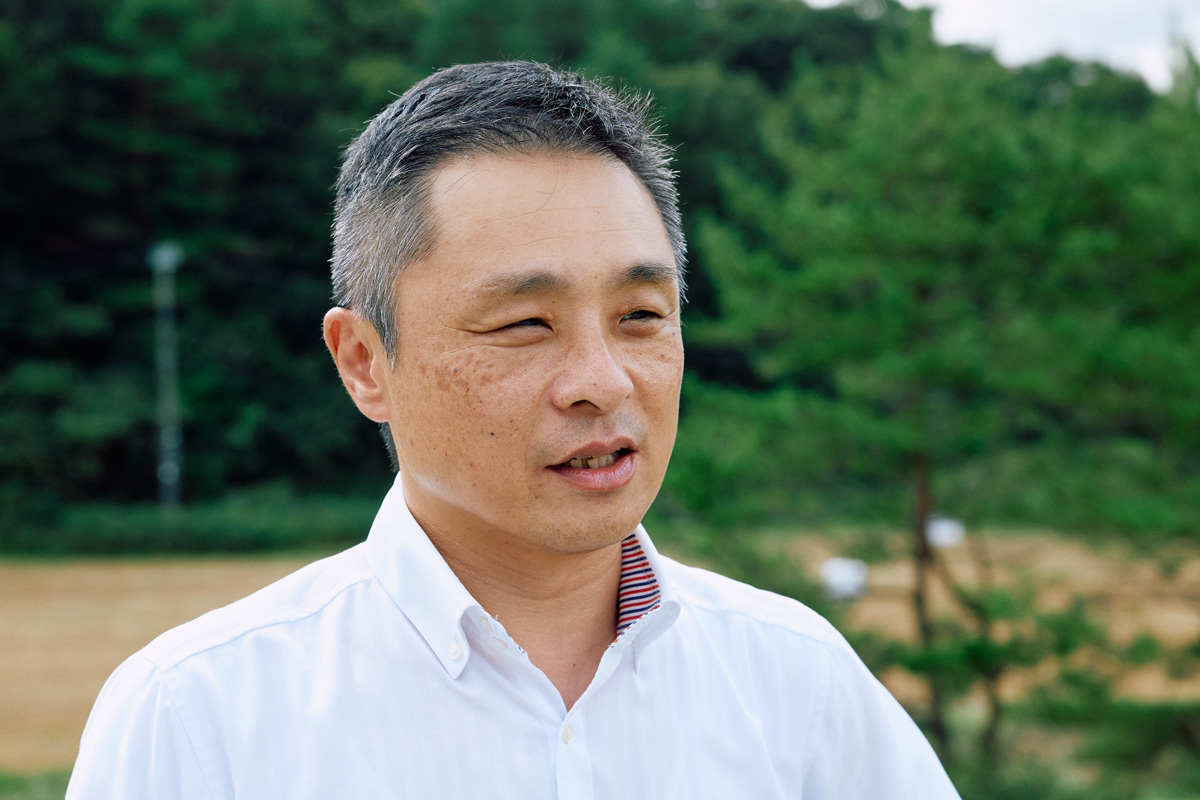
Andersen Group celebrated its 75th anniversary last year, and we’re aiming to become a 100-year company. We’re now focusing on what we need to do to achieve this goal, working together with younger employees. Various groups within the company are exploring ways to improve quality of life, contribute to society, and enhance work efficiency.
Our founder, Akiko Takaki, recently celebrated her 99th birthday and is still active, speaking directly to younger employees about her hopes for the company. Through these conversations, I’ve realized once again how rewarding it is to work with interesting people on meaningful projects, which is my greatest source of motivation.
Rather than aiming for rapid expansion in store numbers or production volume, we prioritize offering high-quality products that truly bring joy to our customers. This philosophy has been the foundation of our journey, and it’s one we intend to uphold moving forward.

This article was written based on an interview conducted on September 17 and 18, 2024.
(Posted on December 9, 2024)
 DISCOVER MORE

